

2 hrs ago
Weak Monsoon Raises Fears of Maharashtra Water Crisis
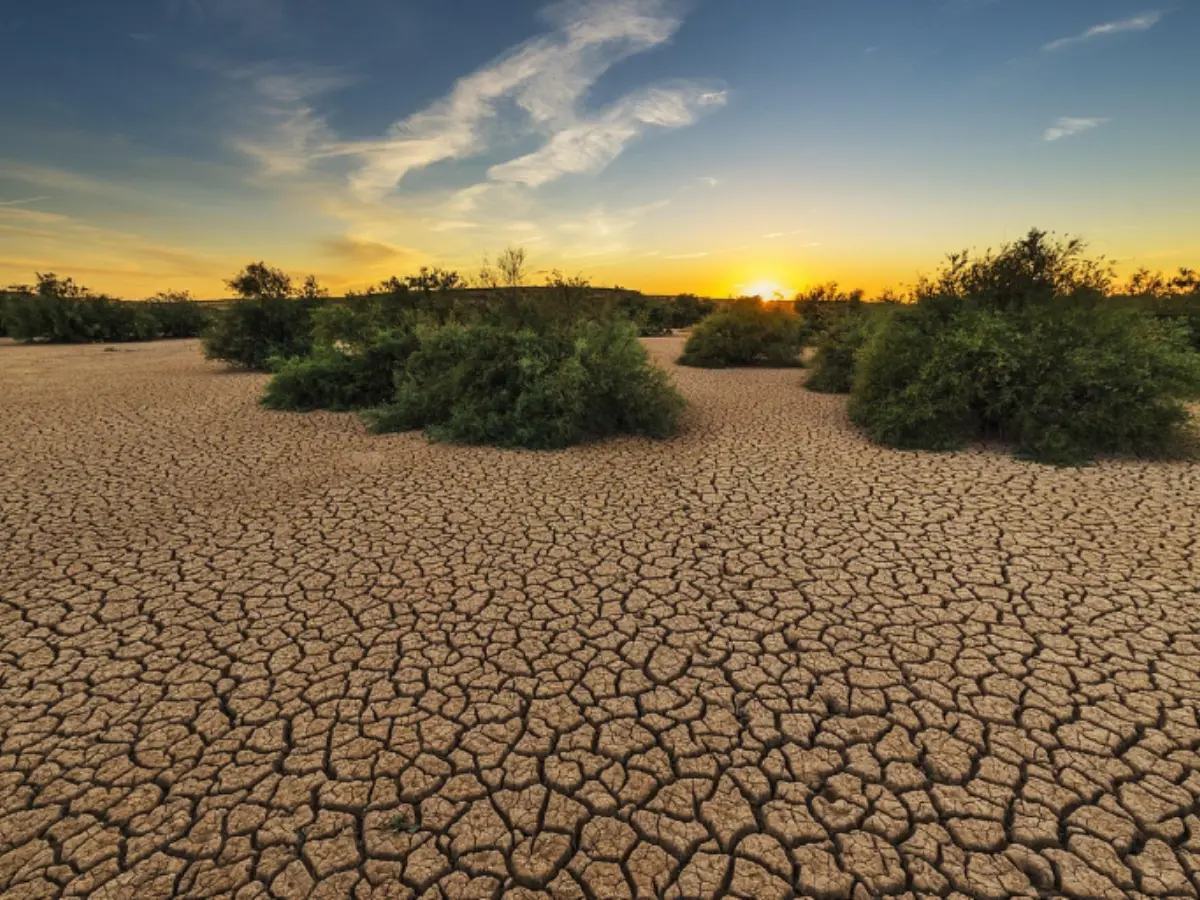
Maharashtra had less rain than usual during the monsoon, and some areas had much less than others.
Long breaks between rains made it harder for crops to grow.
The government has called 265 talukas drought-affected and says it will arrange help.
Some villages are seeking water tankers as wells and other local sources dry up.
Reservoirs also hold less water than they did at the same time last year.
Farmers are worried about crops, livestock and whether they can plant crops in the next season.
Mumbai is also watching water levels because its drinking water comes from lakes and reservoirs.
The state will need to deliver water, fodder and other support to affected communities.

Maharashtra received about 19% less rainfall than its seasonal average from June to September, with major regional differences.
The government identified 265 of the state's 358 talukas as drought-affected and activated relief and preparedness measures.
Marathwada faces acute stress: its eight districts received about two-thirds of normal monsoon rainfall, while Latur received roughly half.
At the end of September, reservoir storage was about 75% statewide, compared with 88% at the same time last year; storage in the Chhatrapati Sambhajinagar division was about 45%.
Crop losses, drying water sources and reduced fodder are raising concerns about drinking water, livestock and the upcoming Rabi season.
- Who
- Residents, farmers and livestock owners in drought-affected parts of Maharashtra; state and district authorities are coordinating measures.
- What
- A weak and uneven monsoon has led to drought declarations, crop damage and concern about drinking-water supplies and reservoir levels.
- Where
- Maharashtra, especially Marathwada and parts of Vidarbha and northern Maharashtra; the declaration also covers pockets of western and Konkan Maharashtra.
- When
- After the June-to-September monsoon, as the state enters the post-monsoon dry months.
- Why
- Rainfall was about 19% below the seasonal average, with prolonged dry spells and substantial regional deficits.
Risks and pressures
Response and possible adjustments
Drinking-water supply
Risks and pressures
Drying wells and local sources have led some villages to seek tankers, and authorities are preparing for possible shortages.
Response and possible adjustments
Authorities have been instructed to identify villages at risk and arrange tanker supplies where necessary.
Next-season farming
Risks and pressures
Low soil moisture and scarce irrigation water may deter Rabi sowing or force farmers to avoid crops needing more water, with economic risks.
Response and possible adjustments
Farmers may choose crops that can survive with less water, while government measures include agricultural relief and support.
Urban water security
Risks and pressures
Mumbai could face consumption restrictions if reservoir levels remain pressured and the next monsoon is delayed or weak.
Response and possible adjustments
Authorities are assessing available water for the summer; the article does not report that restrictions have been imposed.
Key facts
- Drought-affected talukas
- 265 of Maharashtra's 358 talukas
- State rainfall deficit
- About 19% below the seasonal average between June and September
- Marathwada rainfall
- The region's eight districts received around two-thirds of normal monsoon rainfall
- Latur rainfall
- Roughly half of its normal monsoon level
- State reservoir storage
- Around 75% at the end of September, versus about 88% at the same time last year
- Chhatrapati Sambhajinagar division storage
- Around 45%, compared with more than 80% at the same point last year
- Government measures
- Crop-damage assessments, tanker planning, agricultural loan and land-revenue relief, livestock and fodder support, agricultural electricity access, and conservation and employment works
Sources
Related news

Maharashtra Drought-Like Conditions Threaten Water and Fodder Supplies
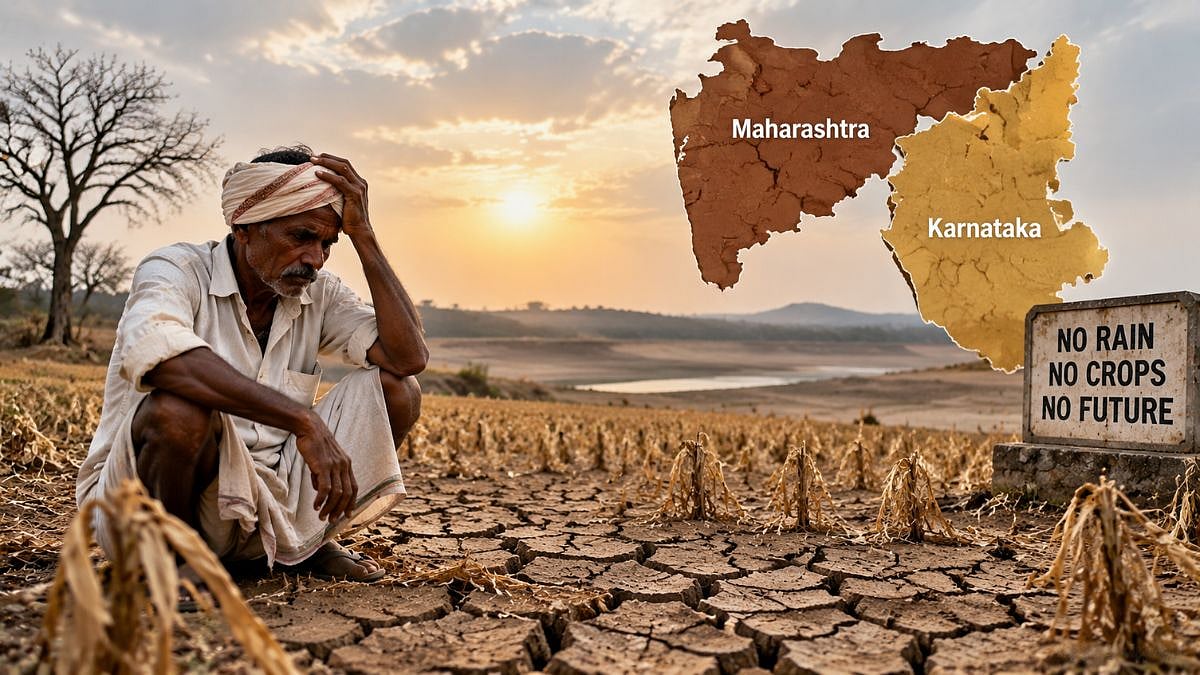
El Nino Drives Drought-Like Conditions Across Karnataka, Maharashtra

Marathwada Reserves Low Reservoir Water Exclusively for Drinking
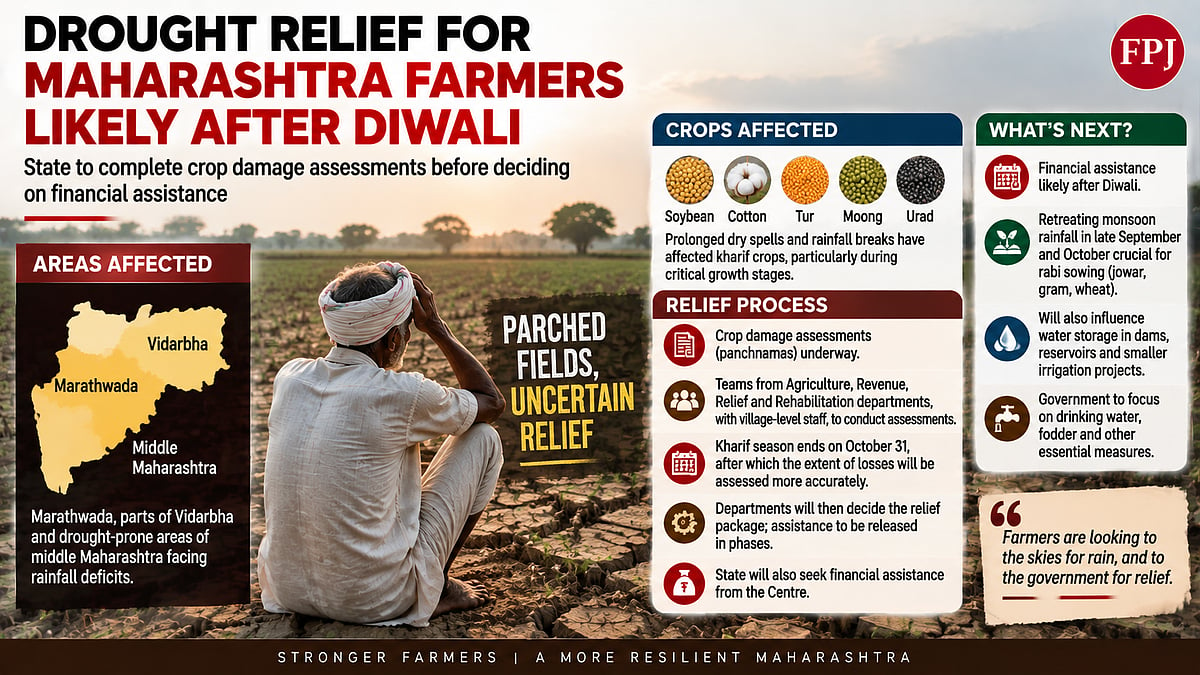
Maharashtra Drought Relief May Reach Farmers After Diwali Surveys Continue
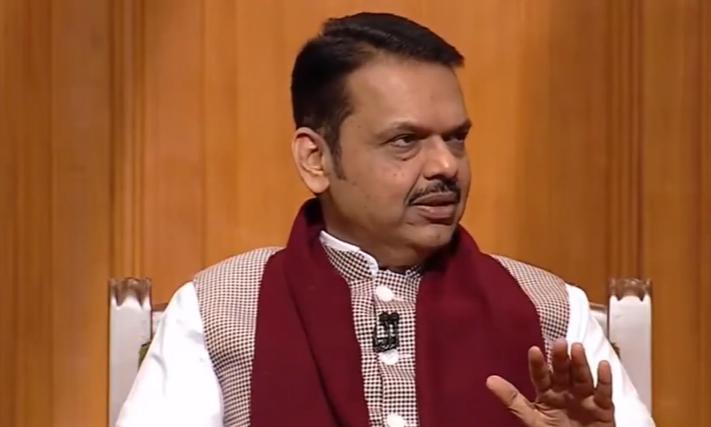
Maharashtra Faces Drought-Like Conditions as Government Prepares Farmer Relief
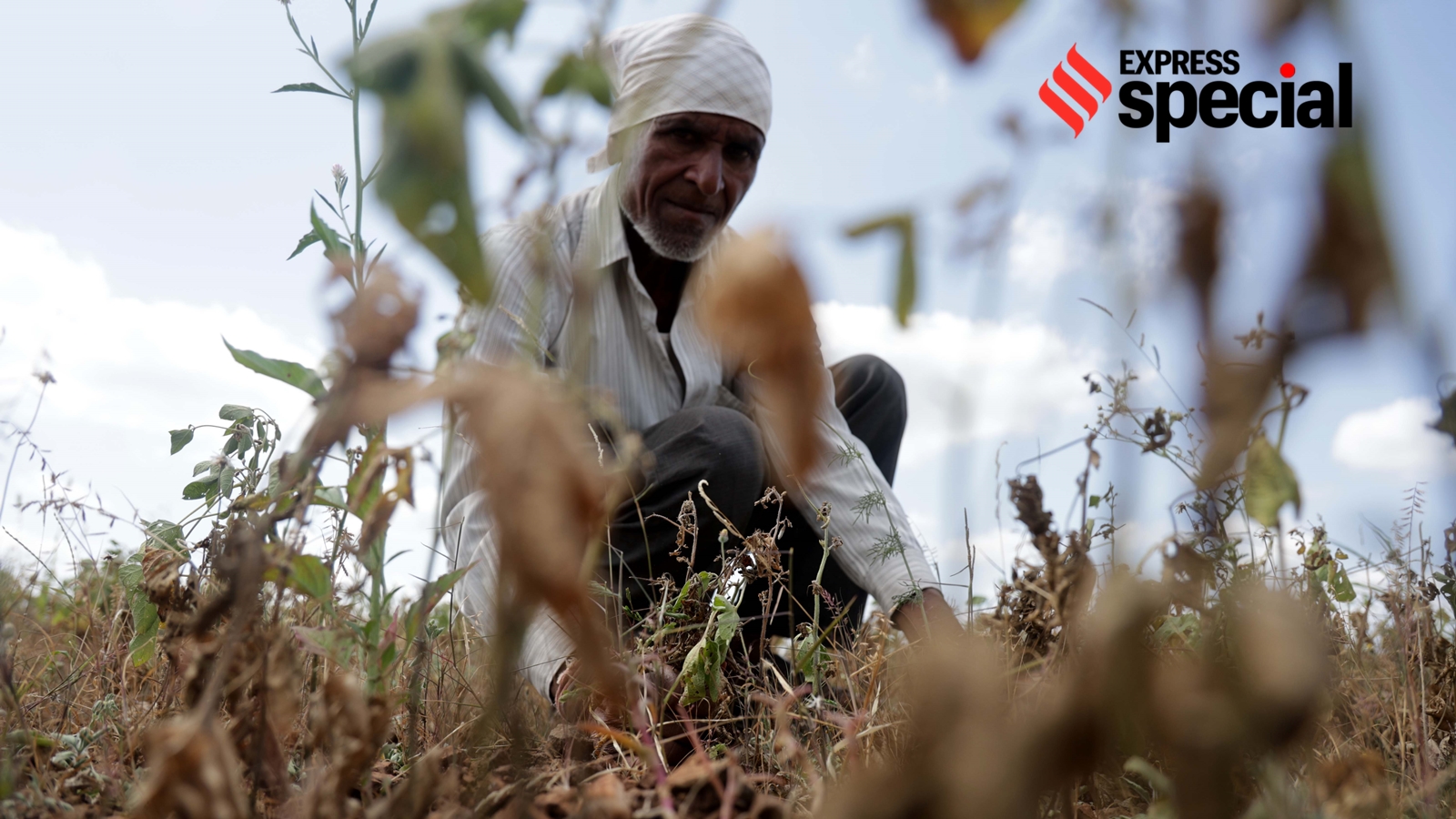
Maharashtra Drought Hits Sakri After Monsoon Dry Spell

Latur Eatery Vandalised After Motorcycle Attack, Owner Threatened
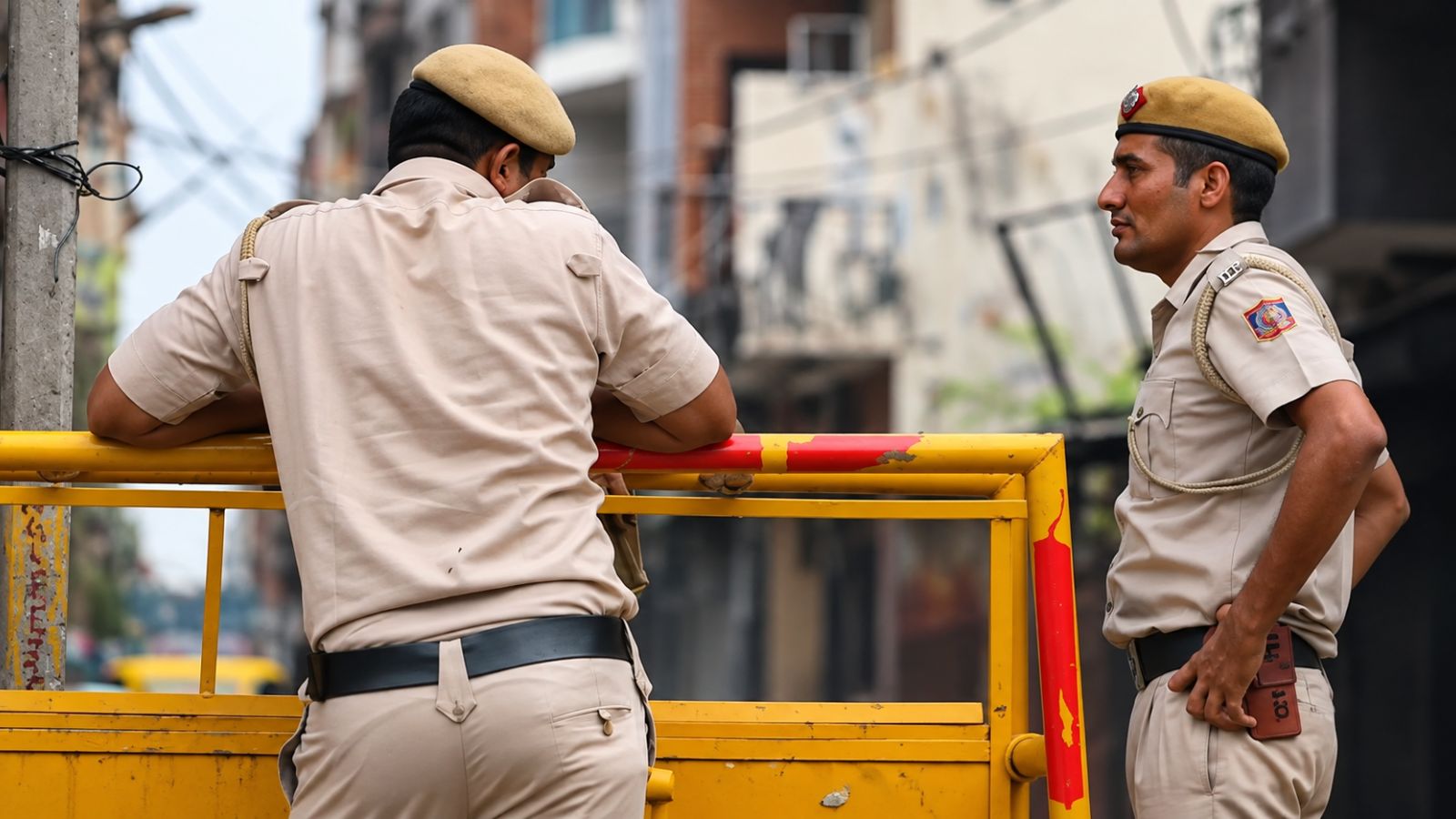
India Updates: Farmer Suicide, Floods, Politics and Court Challenges
Latur Collector Orders Crackdown on Illegal Lower Terna Water Use
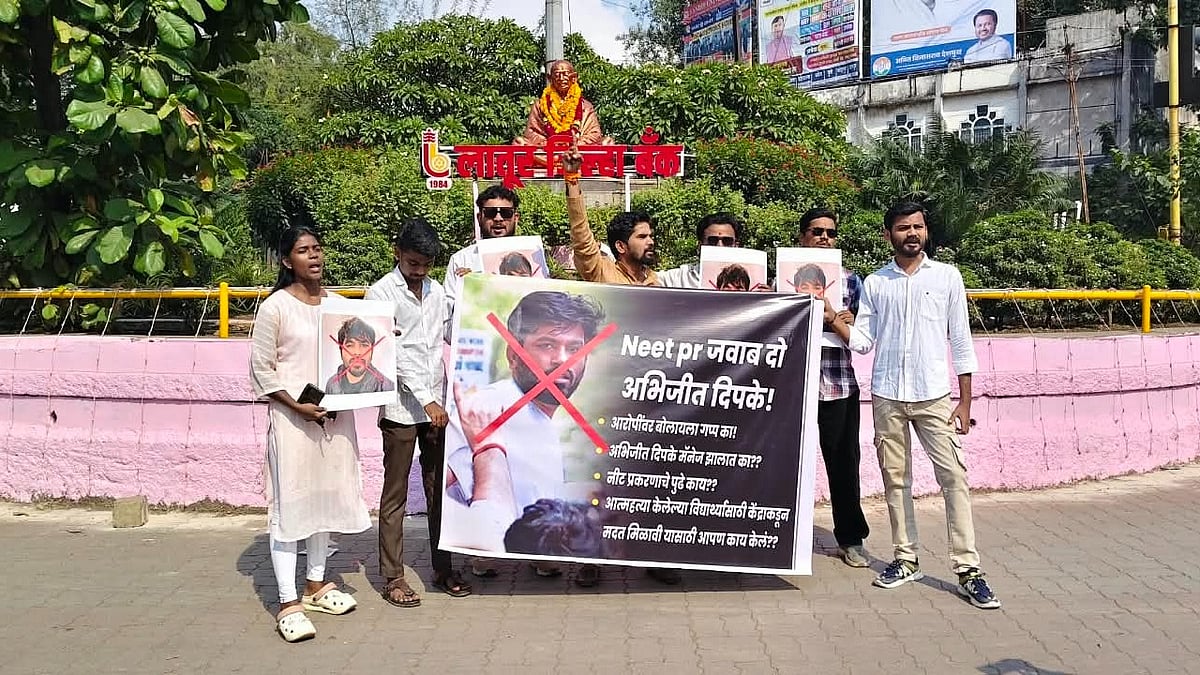
Latur Students Protest Abhijit Dipke Over NEET Answers
