2 hrs ago
Maharashtra Drought-Like Conditions Threaten Water and Fodder Supplies

Many parts of Maharashtra have received much less rain than usual.
This has created drought-like conditions in 255 talukas.
Farmers have lost large parts of their crops, especially in Dharashiv.
Some farmers are even using damaged soybean crops to feed cattle.
People may also face shortages of drinking water and fodder for animals.
The government says drinking water will get priority.
It may limit water used for farming if reservoirs do not contain enough water.
Officials are hoping for more rain during the retreating monsoon.
They will monitor the situation and plan relief measures after formally declaring the drought conditions.

Drought-like conditions affect 255 of Maharashtra’s 358 talukas, or nearly 70% of the State.
Major crop losses have been reported, with drinking-water shortages and fodder scarcity expected to worsen.
Dharashiv received 310.7 mm of rainfall, just 51.51% of its average, severely damaging soybean, urad and tur crops.
Officials estimate that 80% to 85% of Dharashiv’s Kharif crops could be affected, with some soybean being used as cattle fodder.
The government will prioritise drinking water, review reservoir levels and may restrict agricultural water use while seeking central assistance after a drought notification.
- Who
- Maharashtra’s State government, farmers, local officials, Chief Minister Devendra Fadnavis and Minister Pratap Sarnaik are involved.
- What
- Drought-like conditions are affecting 255 talukas, causing crop losses and threatening drinking-water and fodder supplies.
- Where
- Across Maharashtra, particularly Dharashiv in the Marathwada region, as well as northern Khandesh and parts of Vidarbha.
- When
- The assessment was reported during the current monsoon season; officials spoke on Wednesday and Friday, with a government resolution expected by Saturday.
- Why
- Rainfall deficits have damaged crops and reduced water availability; officials also cited the possible impact of El Niño.
Immediate Water Protection
Continued Agricultural Access
How available water should be used
Immediate Water Protection
Government officials say drinking water must receive priority and that restrictions on agricultural water use may be imposed after reviewing reservoir storage.
Continued Agricultural Access
Agricultural water is currently not restricted, and the government is still hoping for retreating-monsoon rainfall to replenish reserves.
Assessment of the crisis
Immediate Water Protection
Officials in Dharashiv and Marathwada warn that water and fodder shortages could intensify and that crop damage is already severe.
Continued Agricultural Access
The government says it is taking measures, monitoring conditions and preparing relief steps while available reserves are expected to last around 10 months.
Key facts
- Affected talukas
- 255 of Maharashtra’s 358 talukas
- Affected area
- Nearly 70% of Maharashtra
- Dharashiv rainfall
- 310.7 mm, or 51.51% of average rainfall
- Estimated Dharashiv crop damage
- 80% to 85% of Kharif-season crops
- Major affected crops
- Soybean, urad and tur
- Water-reserve outlook
- Available reserves are expected to last around 10 months
- Planned government action
- Prioritise drinking water, consider irrigation restrictions and seek central assistance after notification
Quotes
An official familiar with the Dharashiv district collector’s report
An official familiar with the Dharashiv district collector’s report
“As per the Dharashiv district collector’s report, 80 to 85 per cent of the Kharif-season crops are expected to be affected. Some farmers are using soybean crops as fodder for their cattle.”
 deccanchronicle.com

Pratap Sarnaik
Maharashtra Transport Minister and Guardian Minister of Dharashiv district
“We will have to make plans to ensure drinking water and fodder for cattle.”
deccanchronicle.com
Sources
Related news
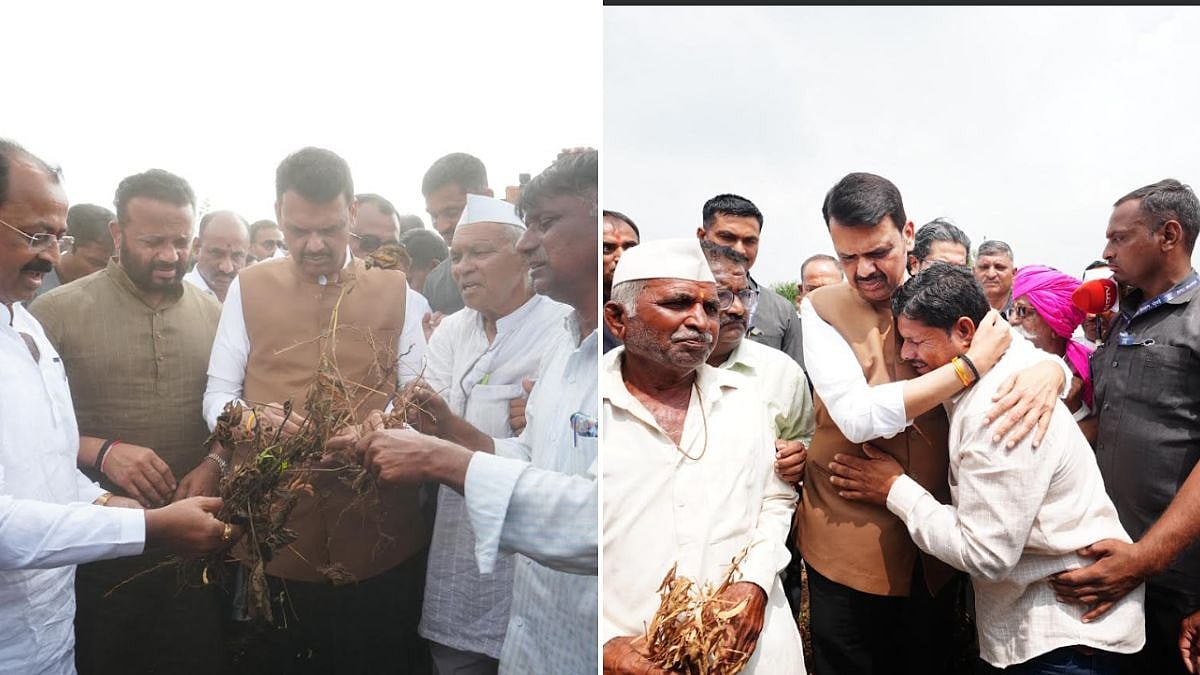
Fadnavis Calls Latur, Dharashiv Drought Crisis Extremely Serious
Maharashtra Faces Drought-Like Conditions as Government Prepares Farmer Relief

Maharashtra To Issue Preliminary Drought Notification By Saturday
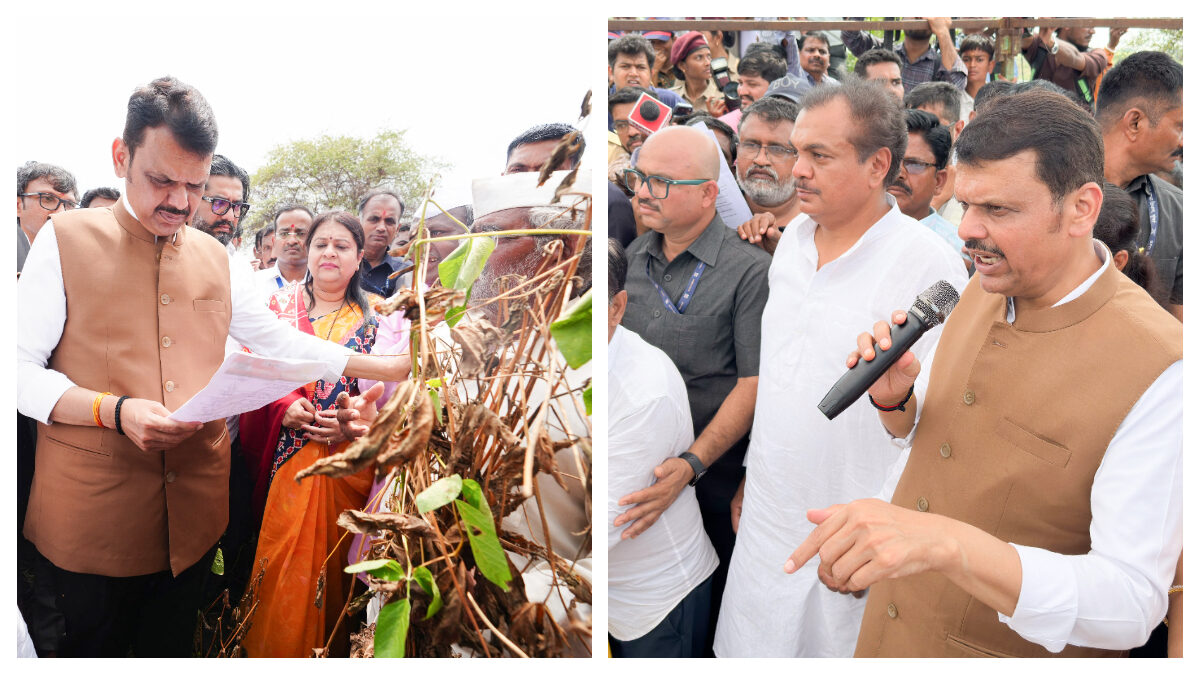
Maharashtra Promises Drought Relief and Loan Waivers for Farmers
Pawar Seeks Maharashtra Drought Declaration, Loan Waiver for Farmers

Maharashtra Starts Drought Relief Before Formal Crop-Loss Assessment

Uddhav Sena Accuses Fadnavis of Staging Farmer Distress Scene
Maharashtra CM Retains Mathadi Act, Promises Homes and Market Revamp
Modi Pays Tribute and Attends Event Honoring Deendayal Upadhyaya
Maharashtra Panel To Frame Policy For Pre-2011 Encroachments