

1 hr ago
Maharashtra Drought Hits Sakri After Monsoon Dry Spell
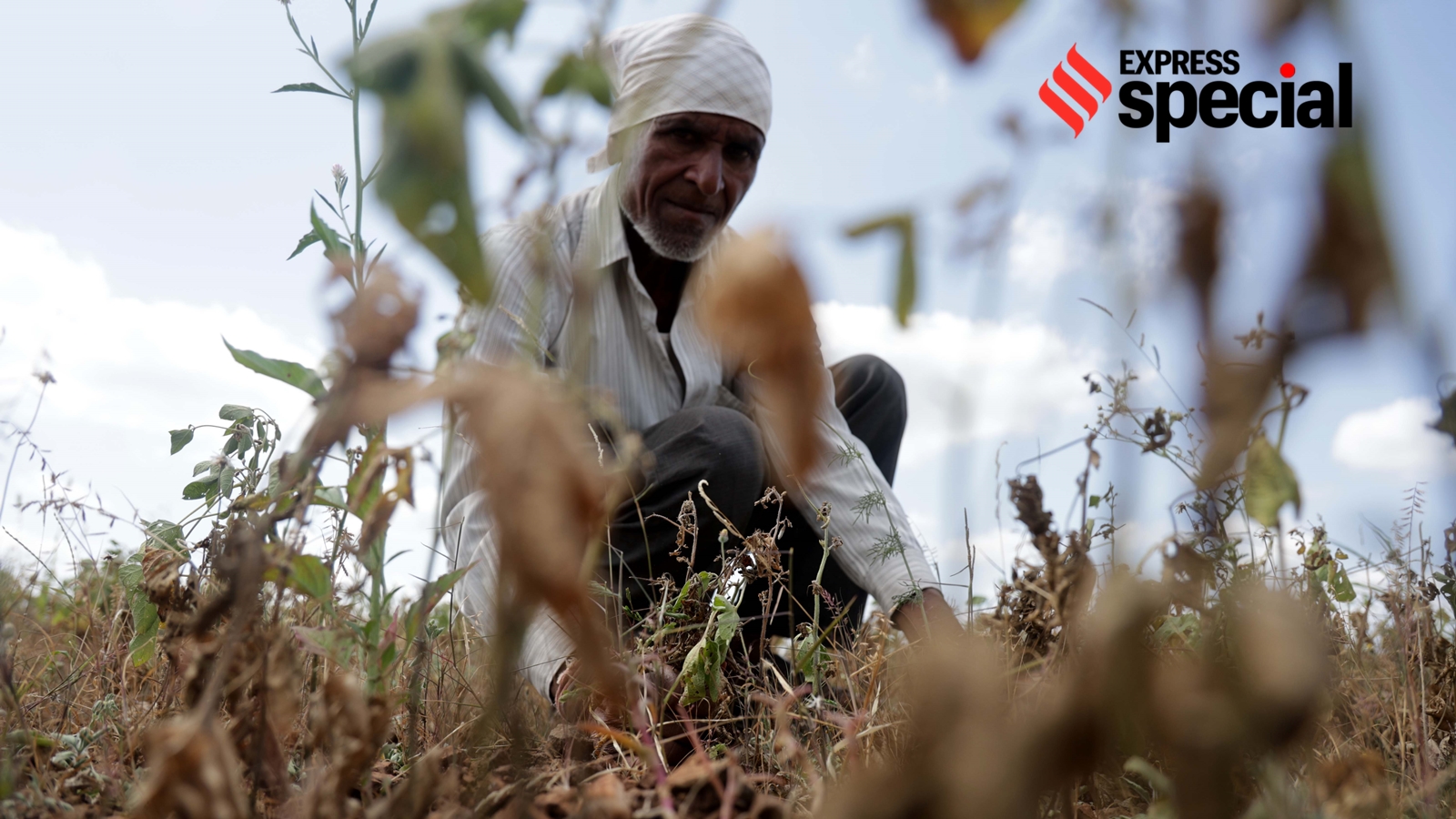
Sakri received rain when the monsoon began, so farmers planted crops expecting a normal season.
The rain then stopped for a long time.
In 102 days, the area had no rain on 67 days, including one stretch lasting 22 days.
The lack of water damaged crops such as groundnut, cotton, maize and bajra.
Many fields are now too dry for farmers to plant their next-season crops.
This is especially difficult for farmers with small farms and limited irrigation.
The government has declared Sakri drought-affected and promised some immediate relief measures.
However, farmers must wait for field inspections before the government decides how much crop-loss assistance they will receive.
Some tribal farmers are also worried that pending forest-rights claims could affect their access to relief.

Sakri taluka was among 265 of Maharashtra’s 358 talukas declared drought-affected by the state government.
Although Sakri received near-normal seasonal rainfall, it had no rain on 67 of 102 days and endured a 22-day consecutive dry spell.
Farmers say the dry spell destroyed kharif crops including groundnut, cotton, bajra, maize and soybean.
Dry soil has also left many fields without enough moisture to plant rabi crops, raising fears of deeper debt.
The drought declaration provides concessions, but crop-loss compensation will depend on field assessments and panchnamas.
- Who
- Farmers in Sakri taluka and neighbouring parts of Jalgaon district, along with the Maharashtra government and agriculture officials.
- What
- A prolonged dry spell has damaged kharif crops and threatened rabi sowing in areas declared drought-affected.
- Where
- Sakri taluka in Dhule district, Maharashtra, and parts of neighbouring Jalgaon district.
- When
- During the monsoon season, particularly after rainfall stopped following the first week of August; the government declaration was made last week.
- Why
- Rainfall stopped for extended periods after sowing, leaving crops and fields without sufficient moisture.
Farmers’ Concerns
Government Measures
Extent of the damage
Farmers’ Concerns
Farmers say the prolonged dry spell has destroyed kharif crops, prevented rabi sowing and created the risk of further debt.
Government Measures
The government has formally declared the area drought-affected under the Drought Management Code after considering rainfall and other factors.
Access to compensation
Farmers’ Concerns
Farmers, particularly those with pending individual forest-rights claims, worry they may not receive the announced relief and cite earlier difficulties obtaining compensation.
Government Measures
The government says immediate concessions apply under the drought declaration, while financial assistance for crop losses will be determined after field inspections and panchnamas.
Cause and timing of rainfall failure
Farmers’ Concerns
Farmers say early rains encouraged them to invest their savings and plant crops, making the later failure especially damaging.
Government Measures
An agriculture official said rainfall was scanty in August and September because much of it fell over the Western Ghats, and that some rain came before sowing.
Key facts
- Drought-affected talukas
- 265 of Maharashtra’s 358 talukas
- Affected districts
- 32 of the state’s 36 districts
- State rainfall
- 798.2 mm from June 1 to September 26, against a normal 970.9 mm
- Sakri dry days
- 67 rainless days in the 102 days between June 1 and September 11
- Longest reported dry spell
- 22 consecutive days without significant rainfall
- Sakri August-September rainfall
- About 50% of average rainfall
- Immediate relief measures
- Land-revenue waiver, crop-loan restructuring and a stay on recovery of agriculture-related loans
- Crop-loss assistance
- To be decided after field-level assessments and panchnamas
Quotes
Agriculture department official
An unnamed official from the Sakri agriculture department.
“This would mean getting out of two cycles of debt. Most of us with small land holdings put everything we had from the previous season in the kharif crops, and have nothing left.”
 indianexpress.com
“The rains in this region were scanty as most of the rainfall was over the Western Ghats. Moreover, the rains came before the sowing season.”
indianexpress.com
Sources
Related news
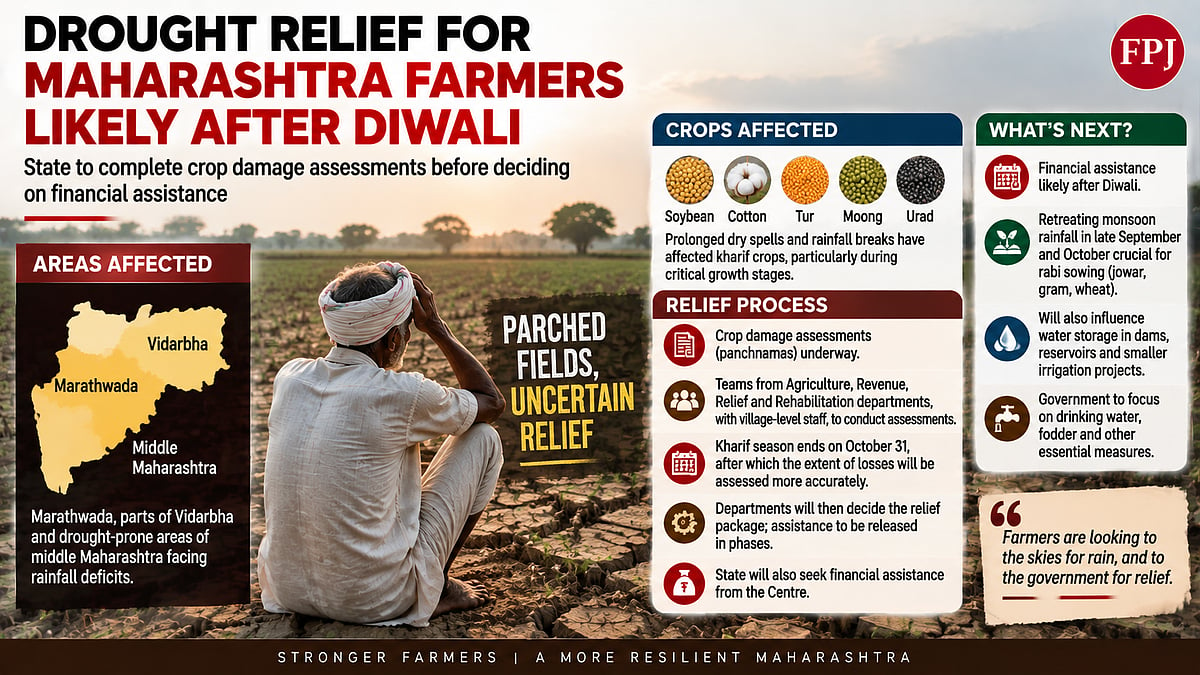
Maharashtra Drought Relief May Reach Farmers After Diwali Surveys Continue

Drought-Like Conditions Threaten Dharashiv Crops After 80 Rainless Days
El Nino Drives Drought-Like Conditions Across Karnataka, Maharashtra
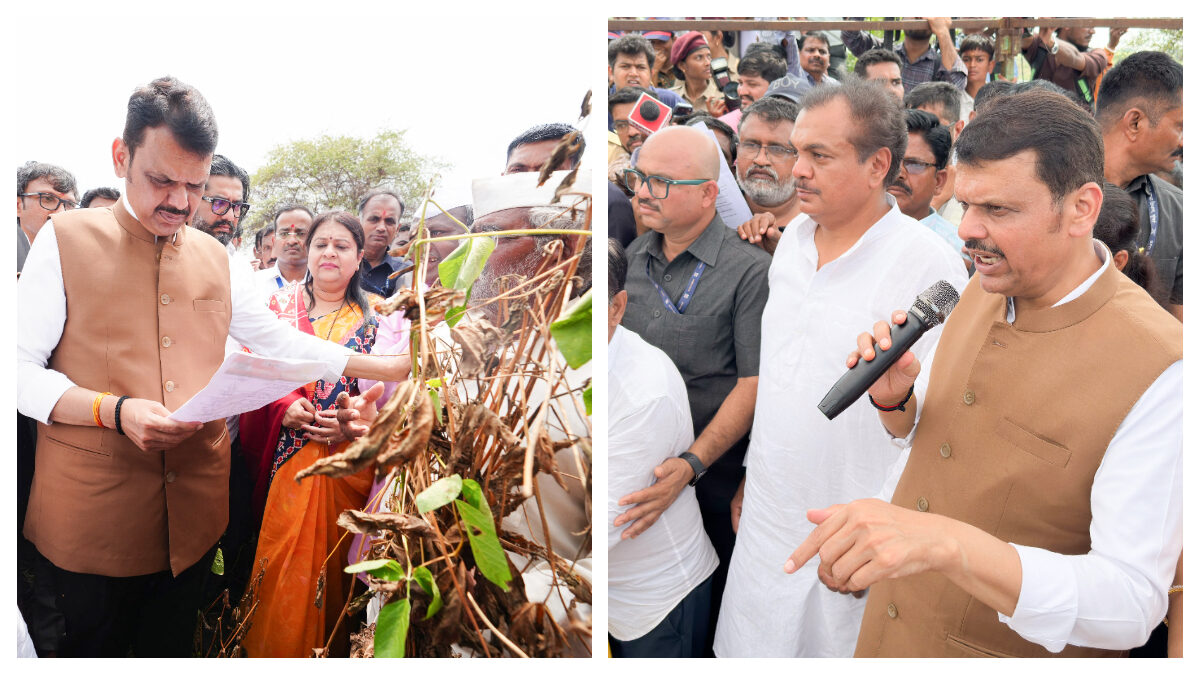
Maharashtra Promises Drought Relief and Loan Waivers for Farmers
Maharashtra Cancels Leave as Drought Hits 265 Talukas
