

2 weeks ago
Delhi Master Plan sharpens focus on 'Right to Walk'
Delhi is a very big city in India.
The city has made a new plan for the next 20 years.
The plan is called the Delhi Master Plan 2047.
It wants to help people walk more safely and easily.
Right now, people in Delhi walk only a little bit every day.
Many trips in the city are short, less than 5 kilometres.
The plan wants to build better footpaths and cycle tracks.
It also wants special walking-only zones in busy places like markets.
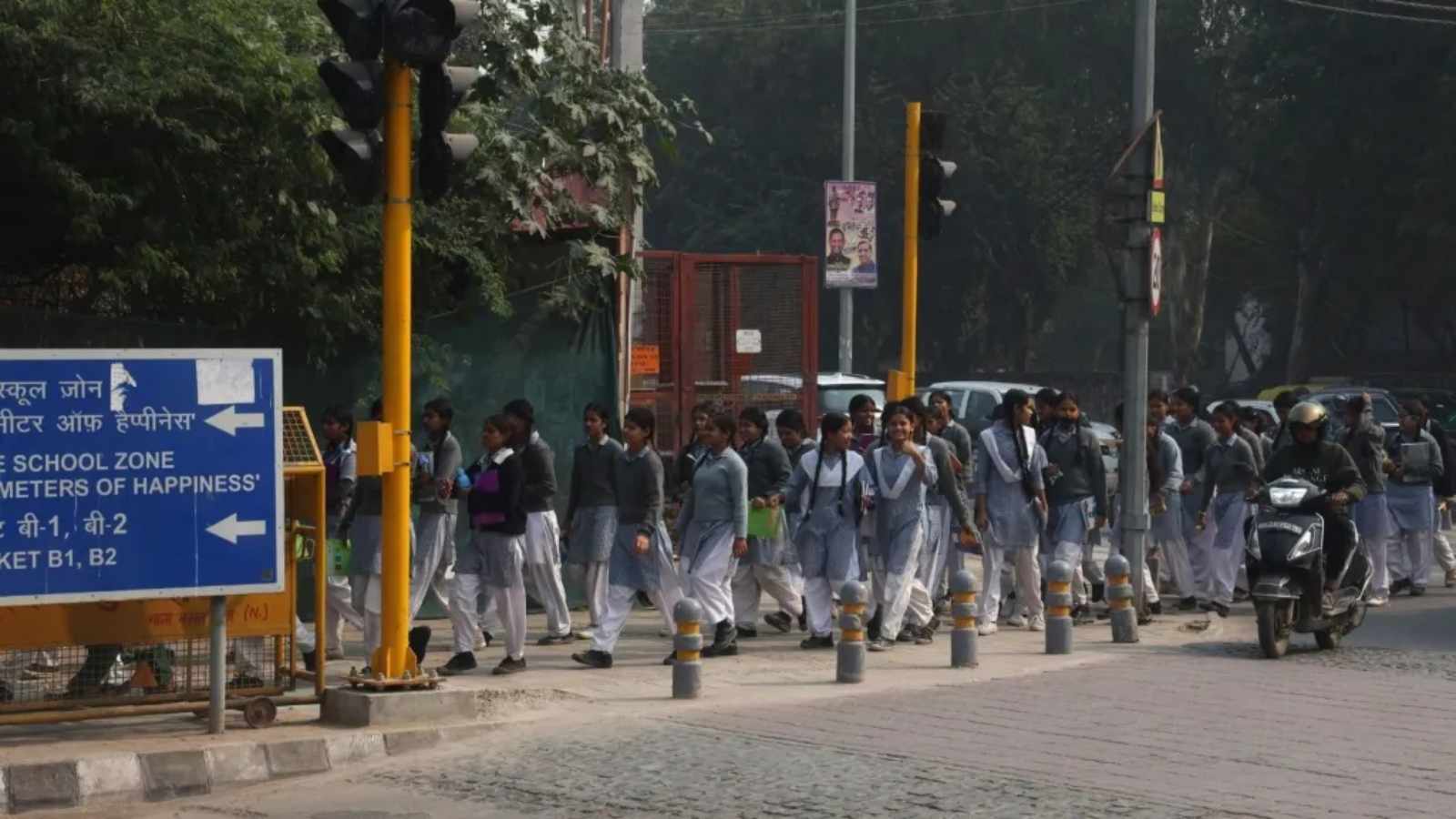
There will be safe crossings near schools so children can cross roads safely.
The plan also wants to clear footpaths of things that block the way.

Delhi Master Plan 2047 emphasises promoting the 'Right to Walk' following a recent Supreme Court ruling.
Non-motorised trips such as walking, cycling and cycle-rickshaws make up 42% of total trips in Delhi.
The Delhi Development Authority has prepared 14 'Right to Walk' proposals and identified 24 priority areas for Walk Plans.
The plan proposes pedestrian-only zones, barrier-free footpaths, cycle tracks and pelican crossings near schools and markets.
Average road and public transport trip length in Delhi rose from 6 km in 2007 to 10.9 km in 2018.
- Who
- The Delhi Development Authority (DDA) and road-owning agencies implementing the Delhi Master Plan 2047
- What
- A 20-year master plan promoting the 'Right to Walk' with pedestrian-only zones, barrier-free footpaths and cycle tracks
- Where
- Delhi, India
- When
- Delhi Master Plan 2047, a 20-year vision; trip data covers 2007 to 2018
- Why
- To encourage walking and improve pedestrian safety, following a recent Supreme Court ruling on the 'Right to Walk'
Key facts
- Plan
- Delhi Master Plan 2047
- Daily average walking distance
- 1.6 km
- Daily average cycling distance
- 3.6 km
- Share of non-motorised trips
- 42%
- Pedestrian share of non-motorised trips
- 35%
- Share of public transport trips
- 24%
- 'Right to Walk' proposals
- 14
- Priority areas for Walk Plans
- 24
Quotes
An official
Delhi Development Authority officer
“Traffic‑calming measures like Multi‑Utility Zones (MUZs) to accommodate street furniture, that is seating, garbage bins, signage, public conveniences such as restrooms, childcare rooms and drinking water, street vendors and kiosks at regular intervals, service lines such as gas pipelines, optical fibre, among others, provision for parking and Public Cycle Sharing (PBS) systems, while ensuring that clear walking space is available for pedestrians.”
 indianexpress.com
“Cycling along highways, greenways along natural drains and the Yamuna are also proposed as part of the network… Transit stations will be designed with cycle parking and pick‑up and drop‑off facilities for public and private vehicles, taxis and intermediate public transport.”
indianexpress.com
Sources
Related news

Delhi Plan Proposes Pedestrian-First Streets and Shopping Areas
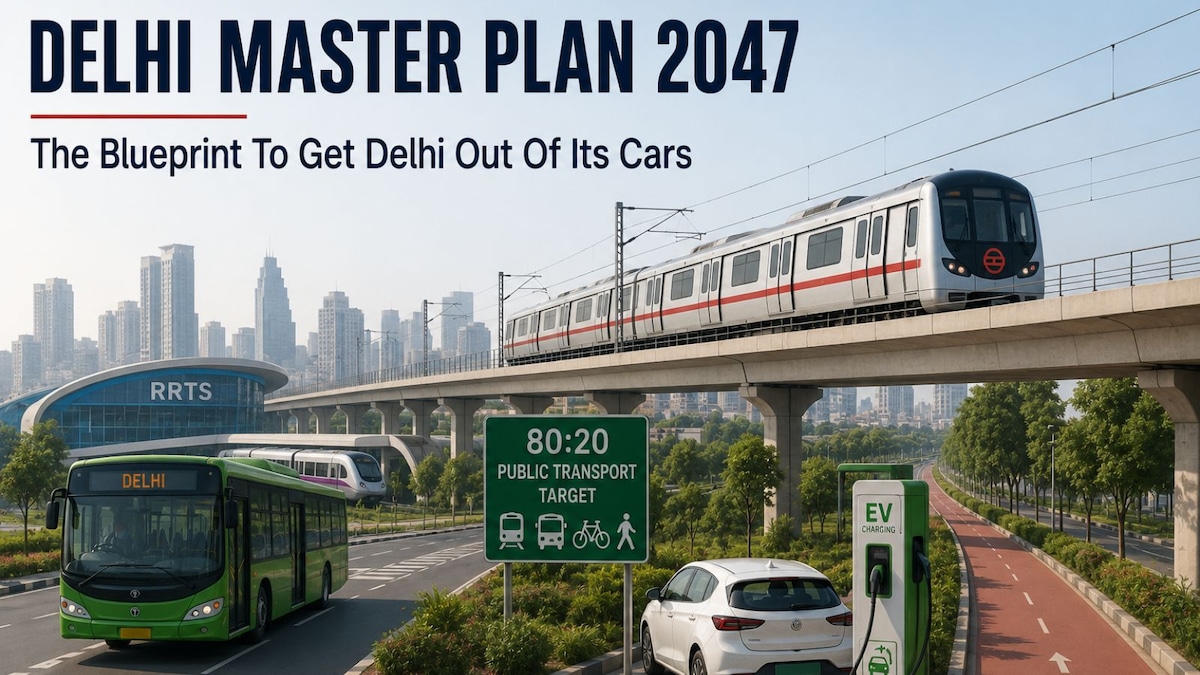
Delhi Master Plan 2047 puts cars in the back seat
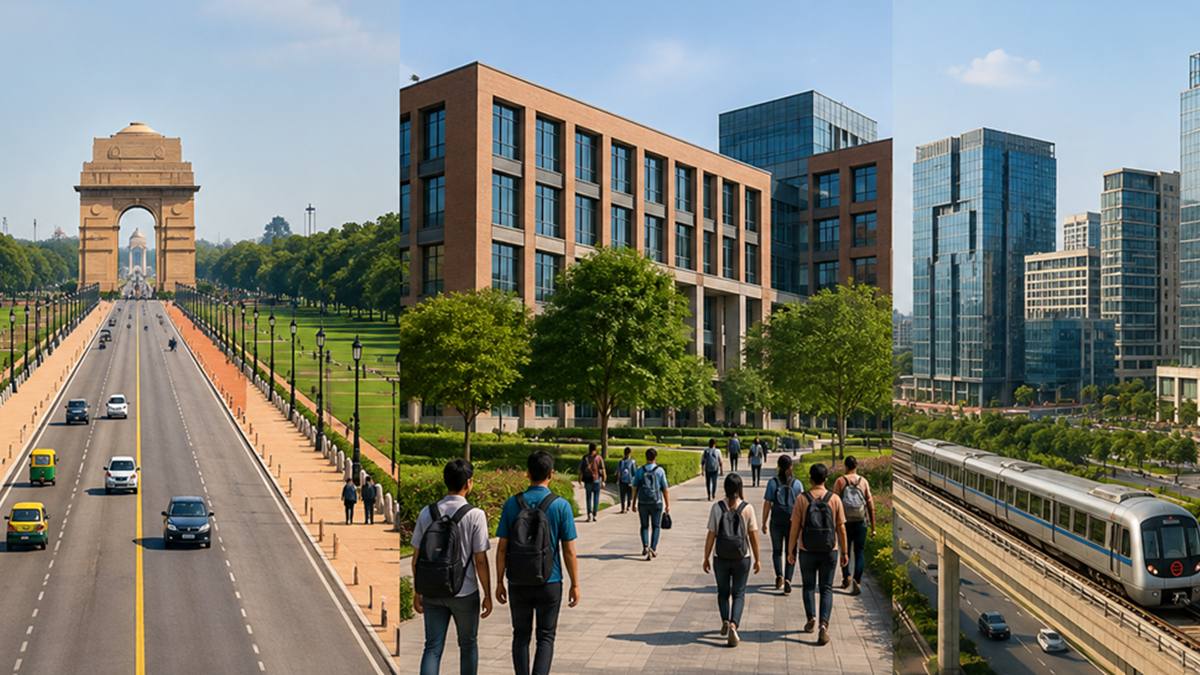
Delhi Master Plan 2047 Proposes Broad Infrastructure and Ecological Transformation

Madhuban Chowk Skywalk Set to Improve Safety and Connectivity

Delhi Master Plan 2047 Protects Heritage, Restricts Metro Growth
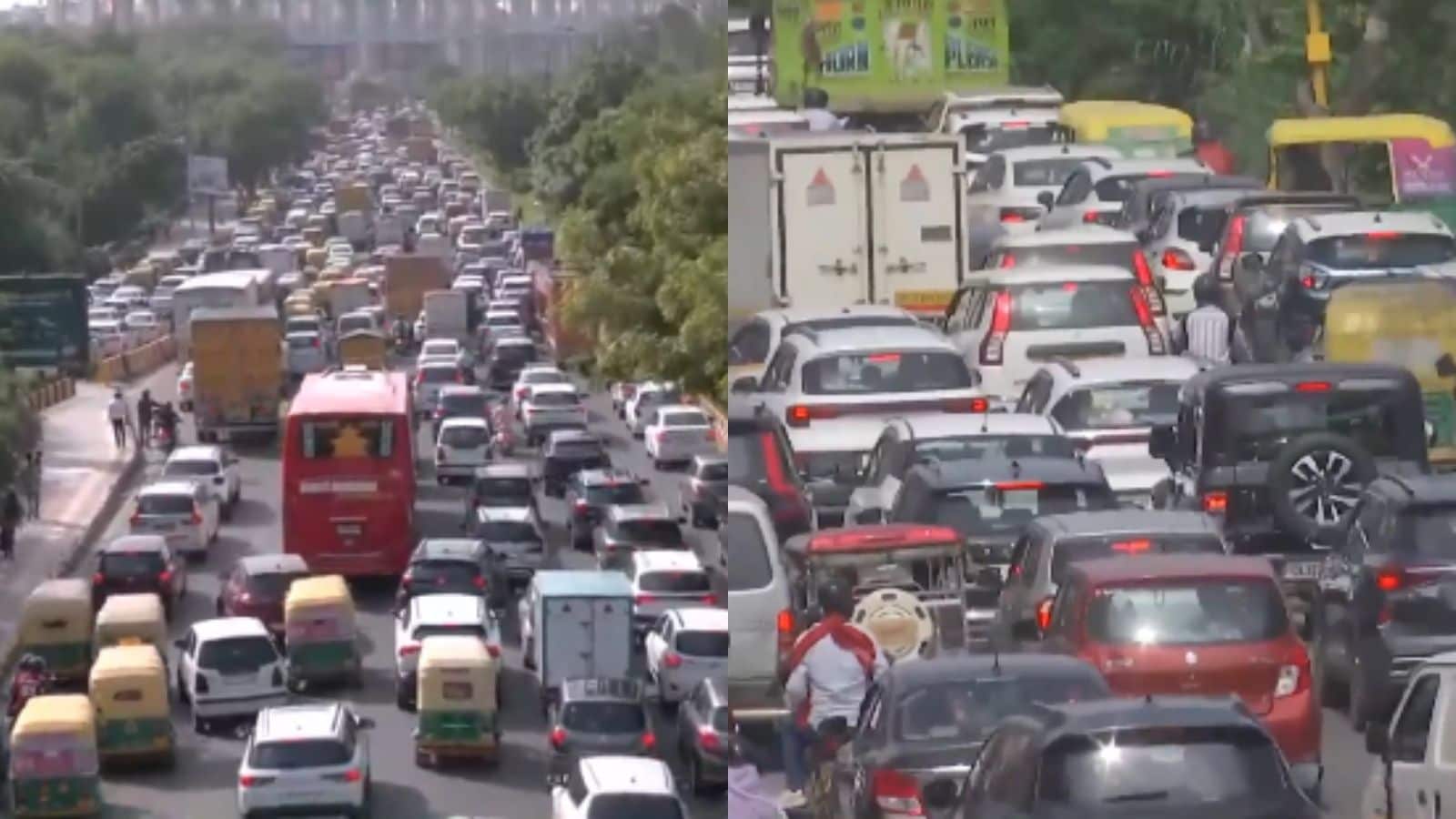
Delhi Regulates VVIP Routes for BRICS Rehearsal

Raksha Bandhan Rush Chokes Delhi Roads, Crowds Metro Stations

India, Japan Shift Economic Partnership Toward High-Tech Growth
Delhi 2047 Plan Targets 24-Hour Transit, Affordable Housing

Modi Pitches Deregulation and Reforms as India’s Growth Driver
