

2 weeks ago
Delhi Master Plan 2047 puts cars in the back seat
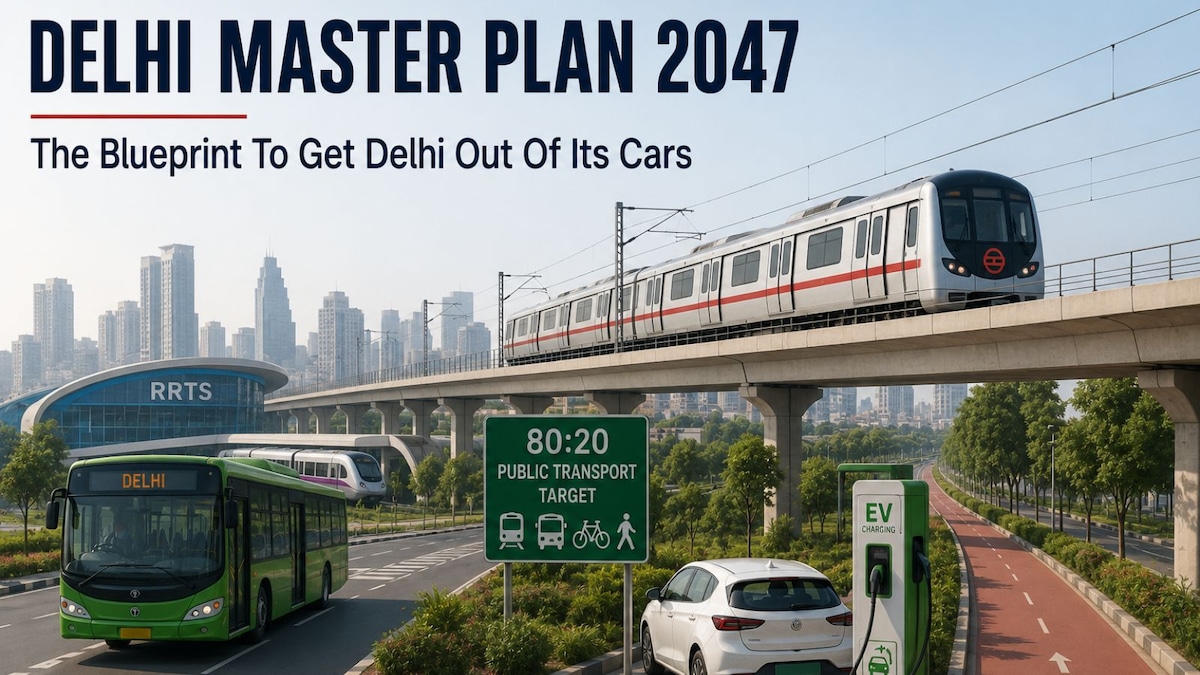
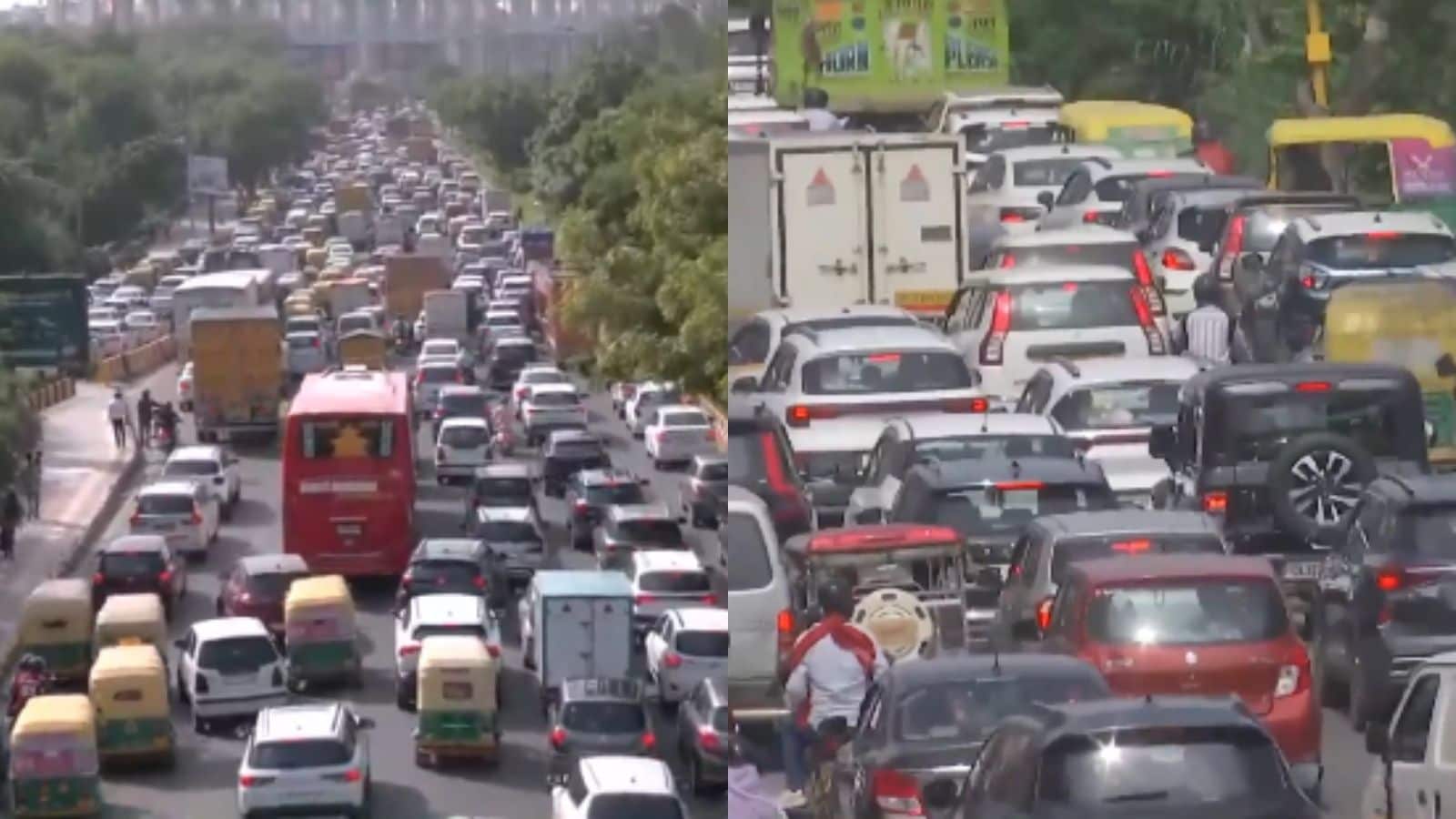
Delhi is a big city with many cars, heavy traffic jams and polluted air.
A new guide called Master Plan 2047 explains how Delhi should look and move by the year 2047.
The plan wants to make it easier for people to travel without driving their own cars.
Instead, people would use Metro trains, buses, shared rides, and would walk or cycle more.
The big goal is that about 80 out of every 100 trips happen on public or shared transport.
The plan also wants charging spots for electric vehicles so cleaner cars become easier to use.
Streets would be made safer for walking and cycling, with some roads giving priority to people on foot.
Smart computer systems could help manage traffic, predict jams and give live travel information.
They could even make routes for ambulances and fire trucks faster in emergencies.
If it all works, Delhi would be less crowded and less polluted in 2047.

Delhi's Master Plan 2047 aims to shift mobility from private cars to Metro, buses, RRTS and shared transport to tackle congestion and pollution.
The blueprint targets an 80:20 modal split in favour of public and shared transport, with its share rising about 1% annually as private vehicle trips fall.
Proposed Metro extensions include the Rithala-Narela corridor and the Dhasana Bus Stand–Najafgarh–Dwarka–Jhajhar corridor.
Three regional road corridors are planned, including the Northern and Southern extensions of UER-II and the Bahadurgarh–Bijwasan corridor.
The plan adds EV charging infrastructure, battery recycling, pedestrian-priority streets and an AI-based Mobility Data Repository with Intelligent Transport Systems.
- Who
- Delhi's planners, working with multiple transport agencies and neighbouring states, prepared the Master Plan 2047 for the capital.
- What
- A long-term mobility blueprint that prioritises public and shared transport, walking and cycling over private cars.
- Where
- Delhi and the wider National Capital Region (NCR), including corridors crossing into neighbouring states.
- When
- The plan looks towards 2047, with Metro Phase IV and Phase V networks included in the long-term vision.
- Why
- To reduce congestion and pollution and lessen dependence on private vehicles.
Key facts
- Plan
- Delhi Master Plan 2047
- Target modal split
- 80:20 in favour of public and shared transport
- Annual shift
- Public and shared transport share to rise by about 1% per year
- Metro extensions
- Rithala-Narela; Dhasana Bus Stand–Najafgarh–Dwarka–Jhajhar
- Regional road corridors
- UER-II Northern and Southern extensions; Bahadurgarh–Bijwasan
- EV charging locations
- Public places, on-street parking, fuel stations, Metro and railway parking
- Airports to connect
- IGI Airport and Jewar/Noida International Airport
- Technology proposals
- Mobility Data Repository and Intelligent Transport Systems with AI
Sources
Related news
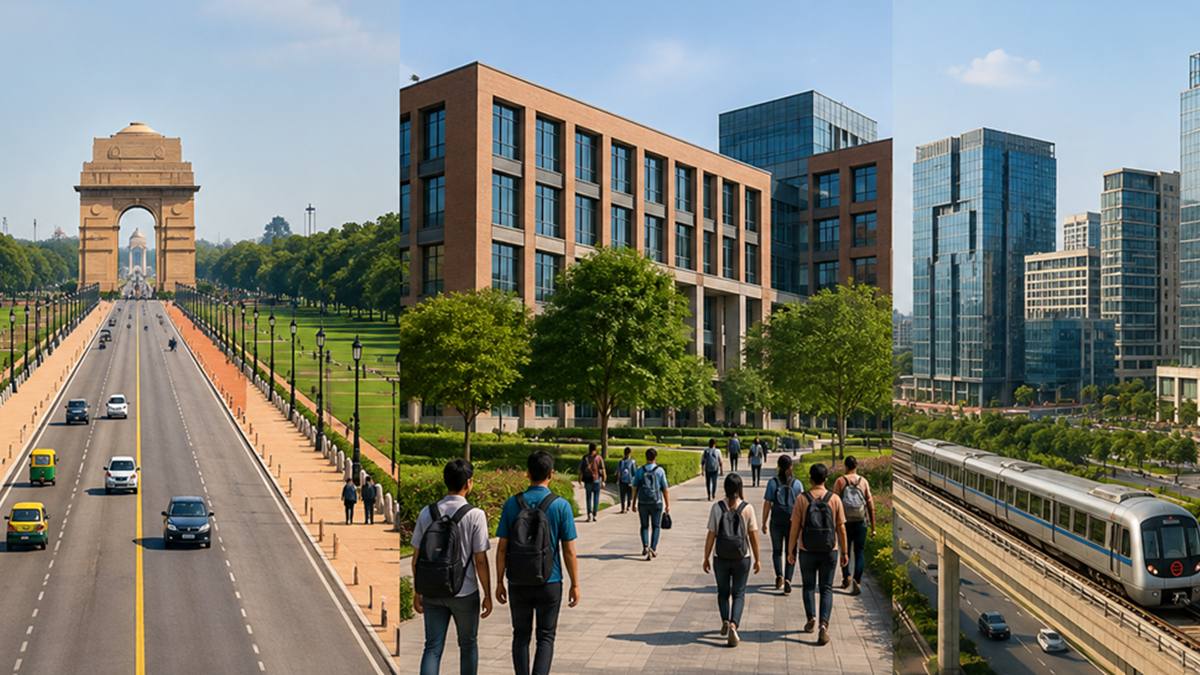
Delhi Master Plan 2047 Proposes Broad Infrastructure and Ecological Transformation

Delhi’s Master Plan 2047 Plans 40 Lakh Homes, Transit
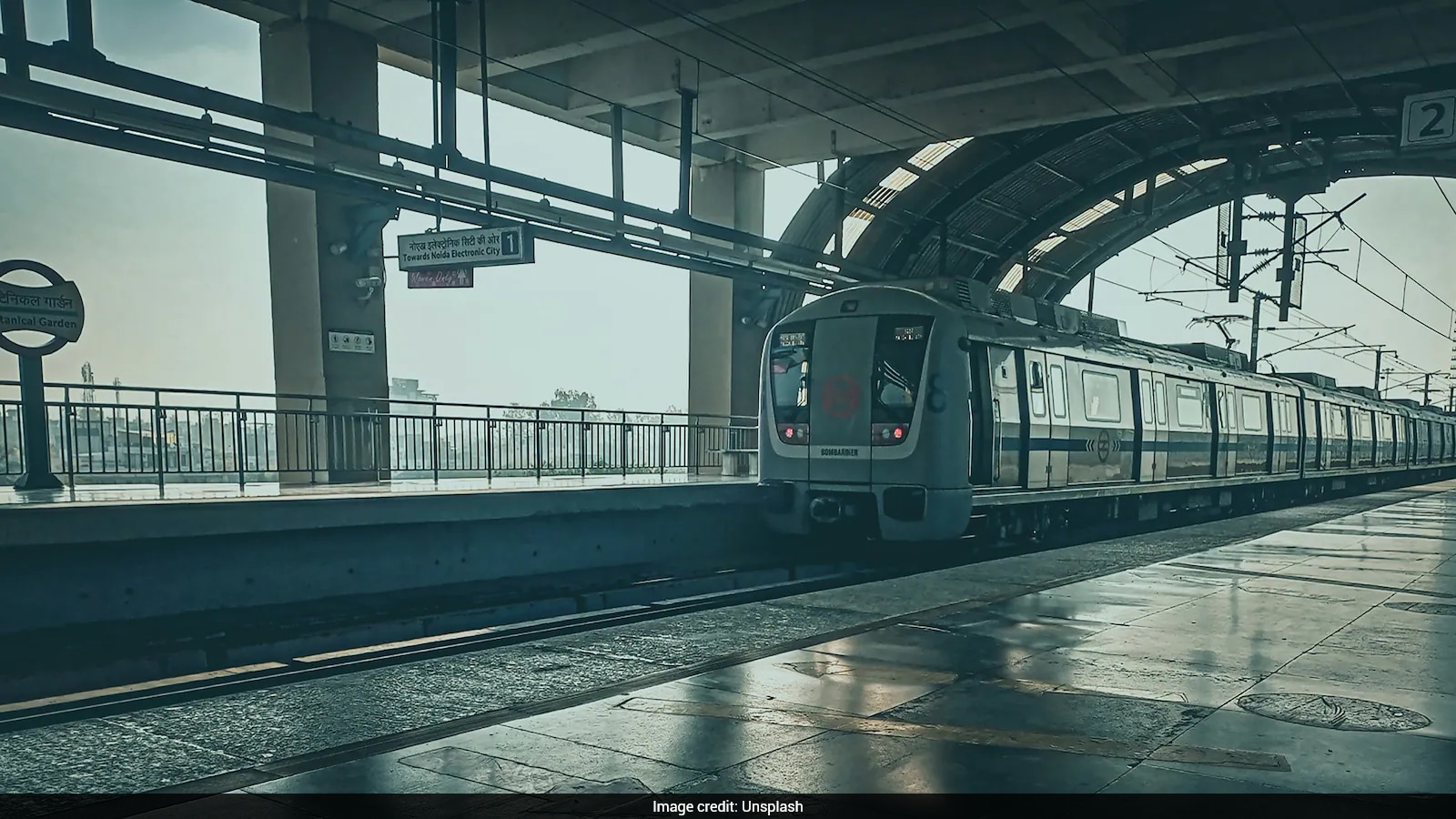
Delhi 2047 Plan Targets 24-Hour Transit, Affordable Housing
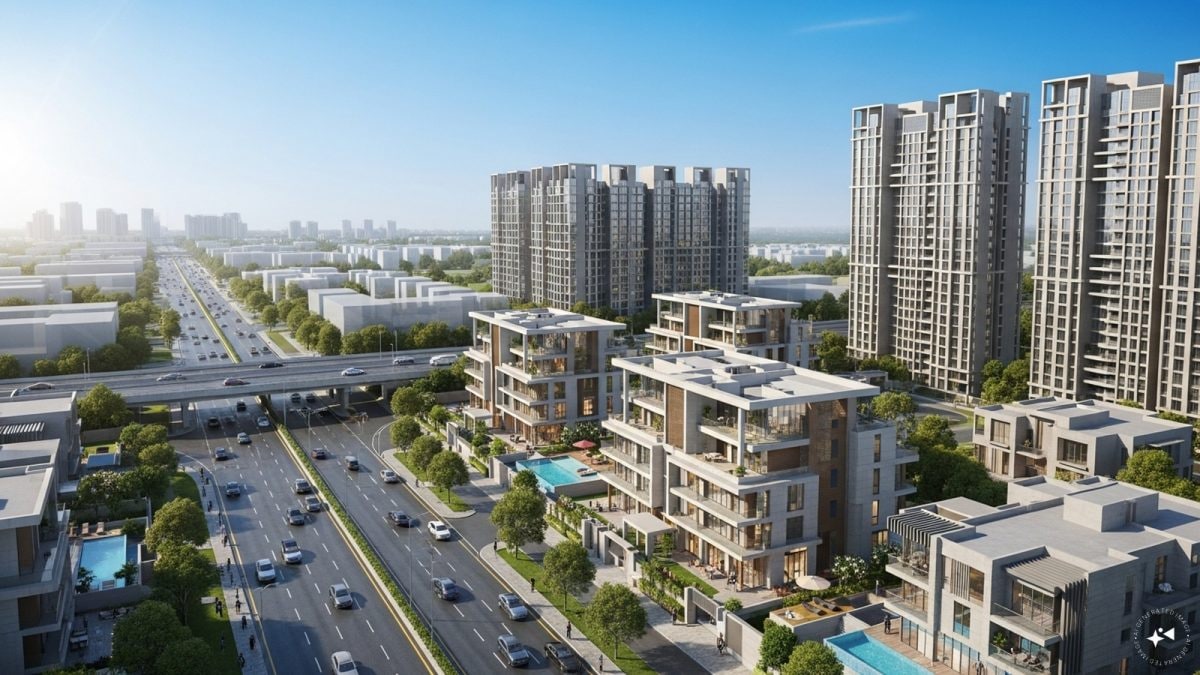
Delhi Master Plan 2047 Approves 40 Lakh Homes, Smoother Commute
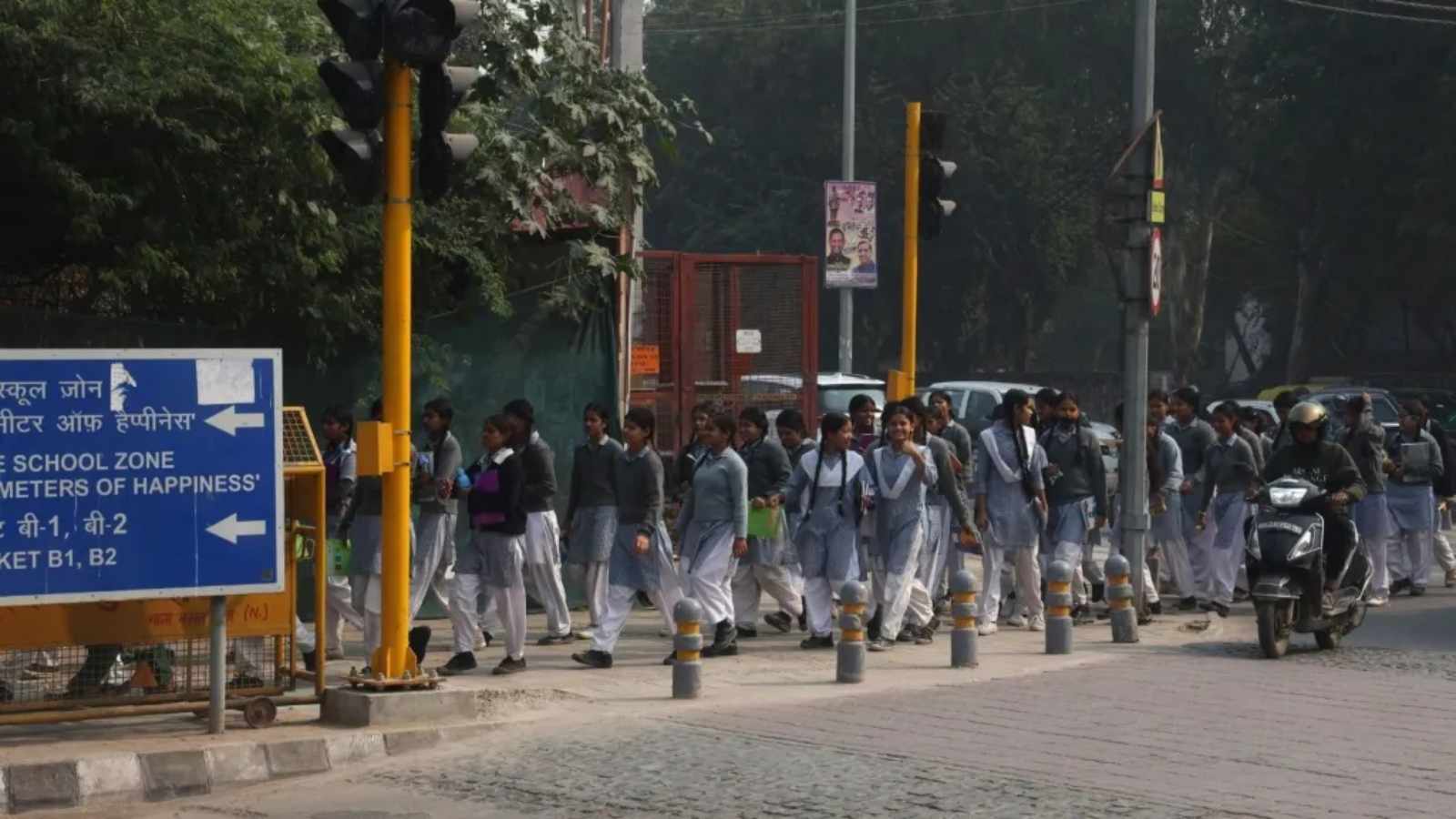
Delhi Master Plan sharpens focus on 'Right to Walk'
Delhi Regulates VVIP Routes for BRICS Rehearsal

Raksha Bandhan Rush Chokes Delhi Roads, Crowds Metro Stations
India, Japan Shift Economic Partnership Toward High-Tech Growth

Modi Pitches Deregulation and Reforms as India’s Growth Driver
