

6 days ago
India Joins IAEA ATLAS Initiative for Nuclear Commercial Shipping

India has joined an international project called ATLAS.
The project studies how nuclear energy could be used by civilian ships.
It will also examine floating nuclear power plants.
These plants could provide electricity to coastal and remote communities.
Small reactors might allow ships to travel farther without refuelling as often.
India says its long coastline and many islands could make this technology useful.
India also wants to greatly increase its nuclear power capacity.
The International Atomic Energy Agency says the technology must be safe, secure and peaceful.
The project brings nuclear experts and shipping experts together to study these possibilities.

India joined the IAEA’s ATLAS initiative to explore nuclear power for civilian maritime uses.
ATLAS will examine small modular reactors for commercial ships and floating nuclear power plants.
The initiative could enable faster shipping with less frequent refuelling and provide electricity to coastal areas.
Ajit Kumar Mohanty said India’s coastline, islands and shipping sector create opportunities for offshore reactors.
India is targeting 100 gigawatts of nuclear capacity by 2047 and five indigenous small modular reactors by 2033.
- Who
- India, represented at the launch by Atomic Energy Commission Chairman Ajit Kumar Mohanty, joined the International Atomic Energy Agency’s ATLAS initiative.
- What
- The ATLAS initiative explores small modular reactors for civilian maritime propulsion, commercial shipping and floating nuclear power plants.
- Where
- The launch took place in Washington.
- When
- The initiative was launched on Wednesday, Aug. 26, at a ministerial conference.
- Why
- The initiative aims to develop safe, secure, sustainable and peaceful nuclear applications at sea, including low-carbon energy and offshore electricity supply.
Key facts
- Initiative
- Atomic Technologies Licensed for Applications at Sea (ATLAS)
- Organiser
- International Atomic Energy Agency
- Indian representative
- Ajit Kumar Mohanty, Chairman of India’s Atomic Energy Commission
- Technology under study
- Small modular reactors for civilian ships and offshore energy
- India’s 2047 target
- 100 gigawatts of nuclear power capacity
- India’s 2033 target
- At least five indigenous-designed Bharat Small Modular Reactors
- Relevant Indian law
- The Sustainable Harnessing and Advancement of Nuclear Energy and Transforming India (SHANTI) Act
Quotes
Ajit Kumar Mohanty
Chairman of India’s Atomic Energy Commission
“India’s long coastline and our large number of offshore islands together with a vast expanding commercial shipping sector present exciting opportunities for deployment of small modular reactors in offshore energy supply and potentially propulsion of civilian vessels”
 theprint.in
“As a frontline nuclear power with proven capabilities, India stands ready to share its expertise and experience in indigenous technology development, closer fuel cycles, peaceful applications, and capacity building in taking forward the ATLAS initiative”
theprint.in

Mariano Grossi
Director General of the International Atomic Energy Agency
“By bringing together the nuclear and maritime sectors, we have the opportunity to shape the future of two crucial industries — energy and shipping — and to build global confidence in the safe, secure and peaceful use of nuclear technology at sea”
theprint.in
Sources
Related news

India’s Nuclear Energy Expansion Balances Growth, Safety, and Self-Reliance

SHANTI Act draft rules open India's nuclear power to private firms
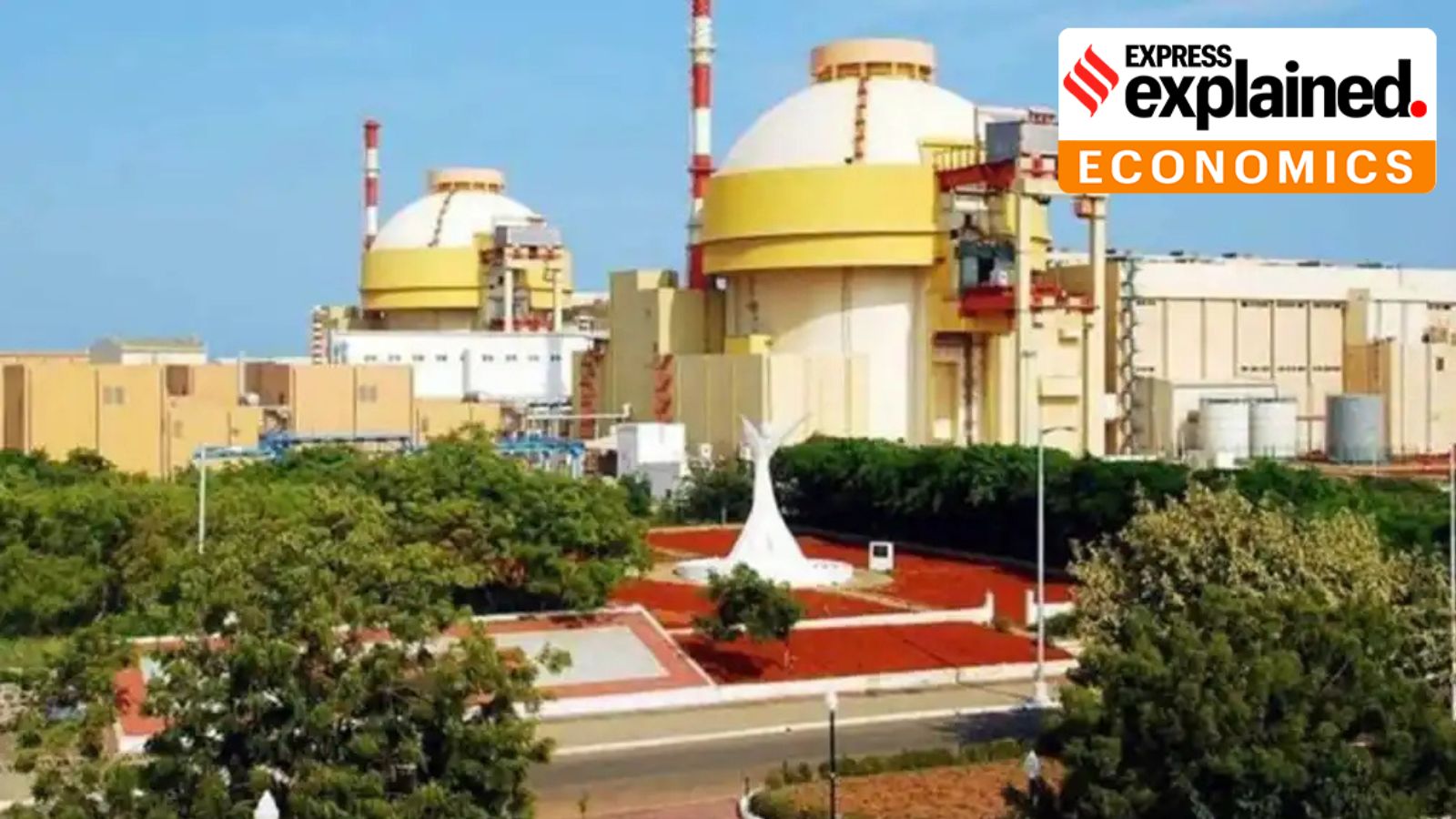
India targets 100 GW nuclear power by 2047, says Modi
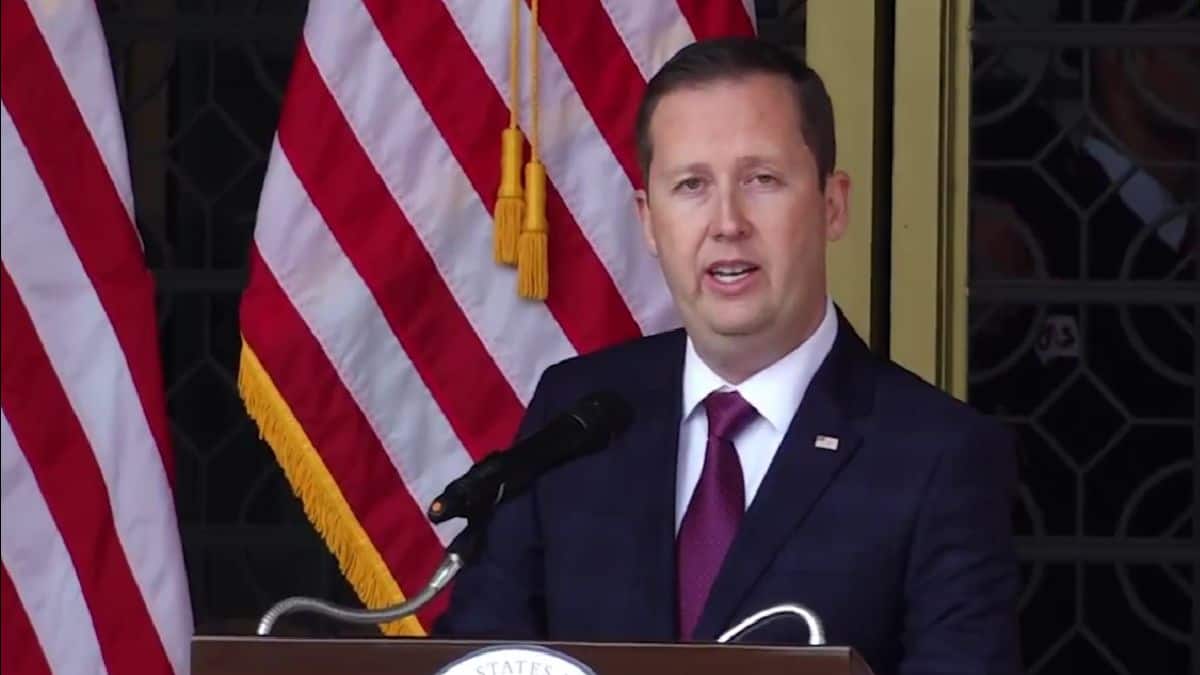
US, India Discuss Civil Nuclear Partnership Amid SHANTI Act

UPSC Mains Practice: Nuclear Power and Railways Net-Zero Themes

US Warns Middle East Travelers Amid Escalating Iran-Linked Tensions

Family Seeks US Intervention Over VanDyke Detention in Delhi

Trump Seeks Parental Status Proof for Children’s Passports

Debt, Not Inflation, Is Driving the Bond Selloff

US Court Ends Trump Visa Pause Affecting 75 Countries
