1 hr ago
Persistent Thirst and Frequent Urination May Have Non-Diabetic Causes
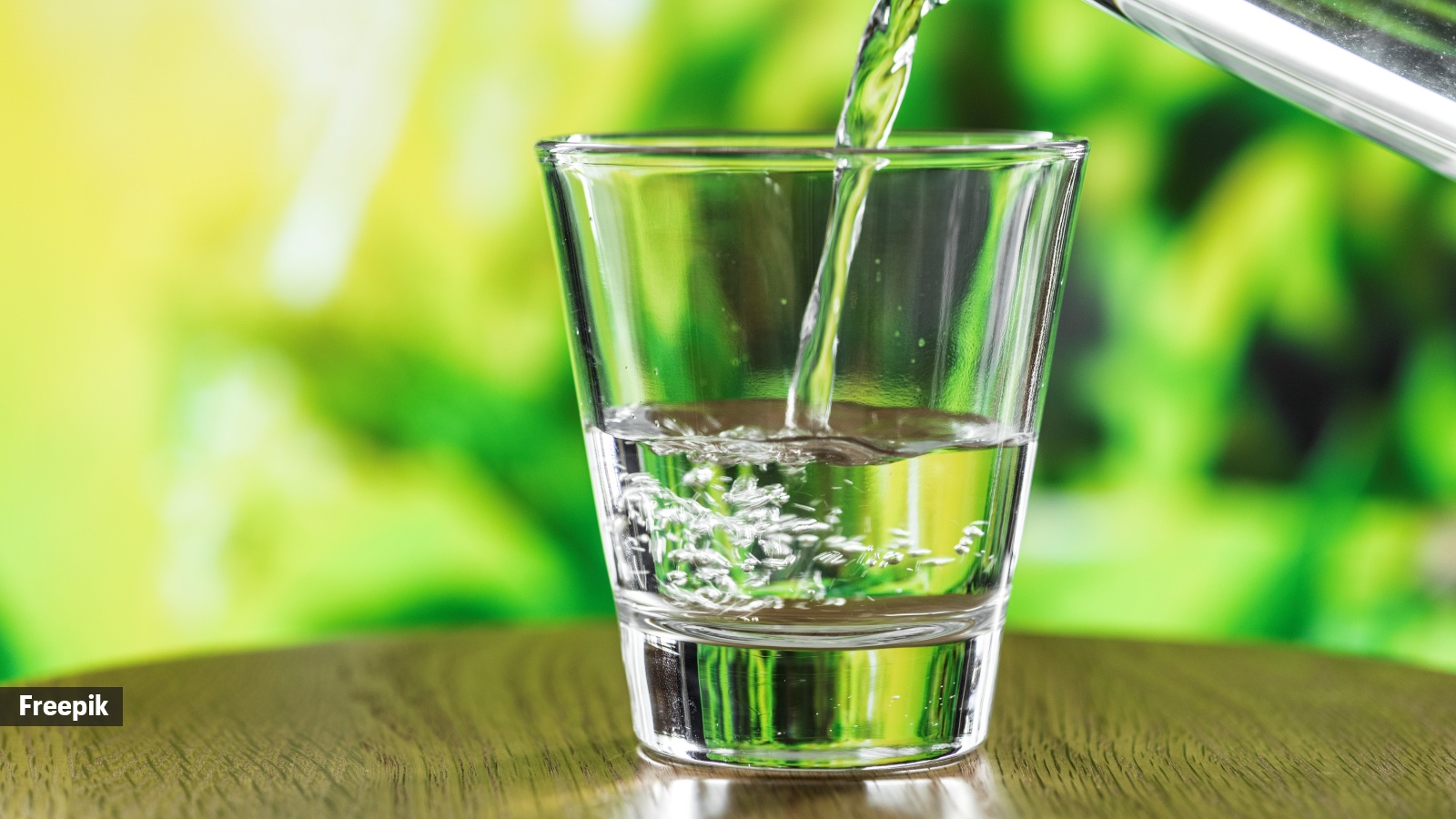
Feeling thirsty and needing to urinate often does not always mean you have diabetes.
Drinking a lot of water, tea, coffee or energy drinks can make you urinate more.
Caffeine can especially increase urine production.
Kidney problems, some medicines and hormone conditions can also cause these symptoms.
Diabetes insipidus is one hormone-related condition that affects the body’s fluid balance.
Doctors may check your urine, kidneys, electrolytes, calcium and hormones to find the cause.
Symptoms such as weight loss, weakness, dizziness, fever, pain while urinating or blood in the urine should not be ignored.
If the problem lasts several days or affects sleep and daily life, speak with a healthcare professional.

Diabetes is not the only cause of persistent thirst and frequent urination.
Dr Vineeta Singh Tandon says excess water, caffeine, kidney disorders, medications and hormonal problems may contribute.
Caffeine can increase urine production and create a cycle of drinking and urinating more often.
Possible medical evaluations include urine, kidney function, electrolyte, calcium and hormone-related tests.
Symptoms lasting more than a few days or disrupting sleep should be assessed by a doctor, especially with warning signs.
- Who
- Adults experiencing persistent thirst and frequent urination, with guidance from Dr Vineeta Singh Tandon, Senior Consultant in Internal Medicine at ISIC Multispeciality Hospital.
- What
- The article explains possible non-diabetic causes of excessive thirst and urination and outlines symptoms and tests that may help identify the cause.
- Where
- The original question was posted on Quora; the medical guidance came from ISIC Multispeciality Hospital.
- When
- Medical advice is recommended when symptoms continue for more than a few days, have no obvious explanation, or interfere with sleep or daily activities.
- Why
- To help distinguish possible causes, identify warning signs and encourage appropriate medical assessment.
Key facts
- Typical urination
- Most adults urinate about six to eight times a day, although this varies.
- Possible contributors
- Excessive fluid intake, caffeine, dehydration, kidney disorders, certain medications and hormonal imbalances.
- Relevant condition
- Diabetes insipidus can affect fluid balance without being caused by high blood sugar.
- Potential tests
- Urine tests, kidney function tests, electrolyte levels, blood calcium and hormone-balance tests.
- Additional investigations
- Doctors may monitor urine volume, check urine concentration or perform an ultrasound of the kidneys and urinary tract.
- Warning signs
- Unexplained weight loss, fatigue, weakness, dry mouth, dizziness, swelling, fever, burning urination, blood in urine, nausea, headaches or vision changes.
- Caffeine effect
- Caffeine acts as a mild diuretic and can encourage the body to produce more urine.
Quotes
Dr Vineeta Singh Tandon
Senior Consultant in Internal Medicine at ISIC Multispeciality Hospital
“Yes, consuming large quantities of water, tea, coffee, energy drinks, or other beverages can increase urination.”
 indianexpress.com
“Although diabetes is a common cause of excessive thirst and frequent urination, it is not the only one.”
indianexpress.com
Sources
Related news

Why High-Protein Diets May Leave You Feeling Thirstier

Recognizing Ten Common Symptoms of Hyperglycaemia Early
Foamy Urine: When It May Signal Kidney Problems

Recurring Muscle Cramps May Signal Blood Sugar Problems

Frequent Night-time Urination May Not Signal Prostate Cancer

Why Blood Sugar Rises Even When You Haven’t Eaten

Temporary One-Eye Blurred Vision Can Require Urgent Evaluation

Doctor Says Bedtime Water Does Not Guarantee Heart Protection
HbA1c of 10.6% Requires Lifestyle Changes and Medical Review
High Glucose With Low HbA1c Requires Medical Evaluation