3 hrs ago
Temporary One-Eye Blurred Vision Can Require Urgent Evaluation
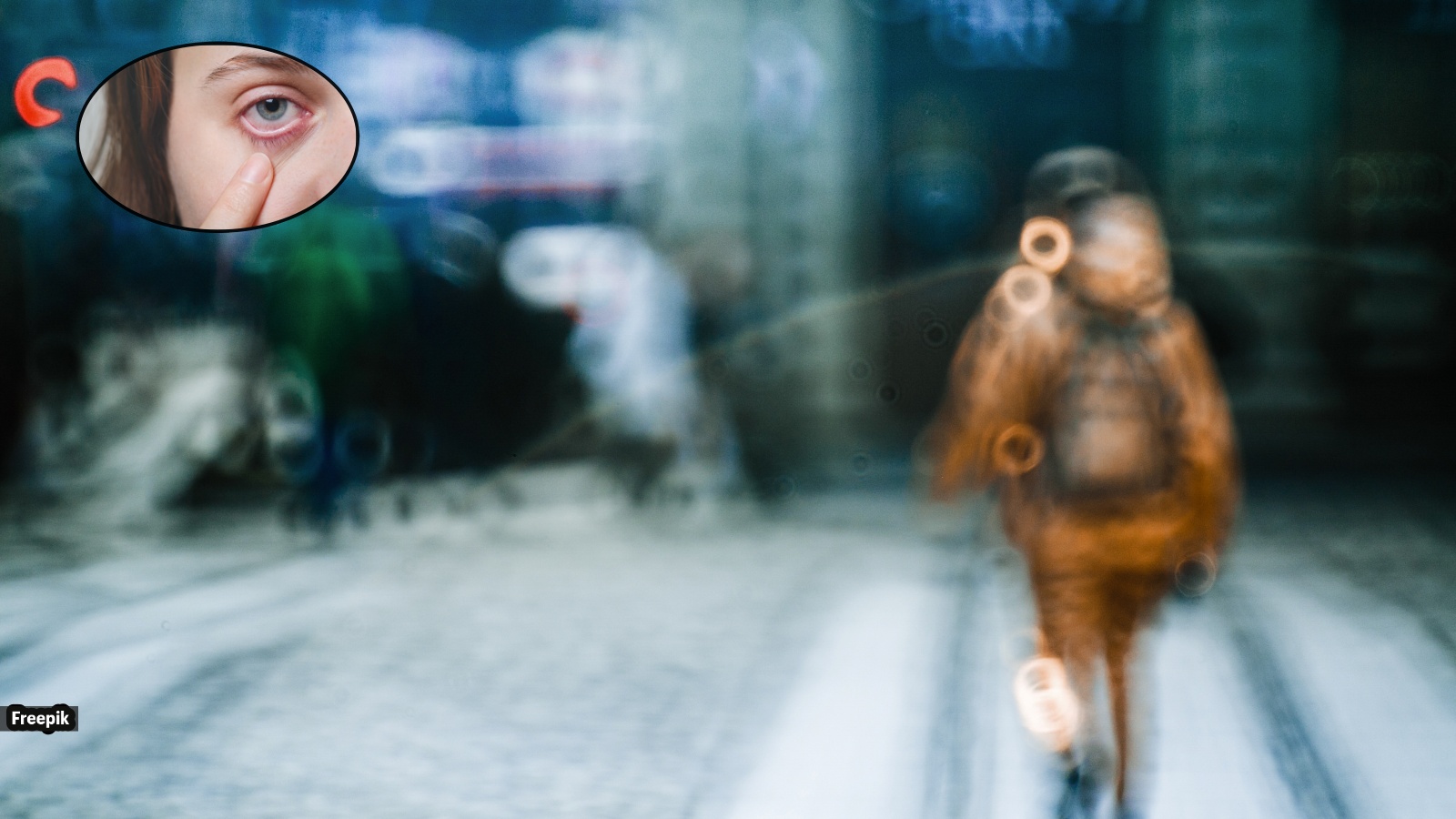
Vision that suddenly becomes blurry in only one eye can happen for simple reasons, such as dry eyes or irritation.
It can also be caused by a migraine or changes in blood sugar.
However, it may sometimes mean that blood is not flowing normally to the retina.
This is called amaurosis fugax, and it can be a warning sign of a more serious problem.
You cannot safely tell the difference at home.
If the blur comes with weakness, trouble speaking, a severe headache, eye pain, flashes or a dark curtain, get emergency help.
Even if the vision becomes normal again, a first unexplained episode should be checked.
An eye doctor may examine the retina, eye pressure, pupils and vision.
More tests may be needed if a blood-vessel or neurological cause is suspected.

Sudden blurring in one eye lasting two hours should not automatically be attributed to tiredness, screens or dry eyes.
Possible causes range from dry eyes, eye strain and migraine to retinal, optic nerve, blood-vessel or blood-sugar problems.
Doctors say amaurosis fugax, or temporary reduced blood flow to the retina, must be ruled out.
Warning signs include weakness, speech trouble, severe headache, eye pain, flashes, new floaters or a dark curtain over vision.
Even if vision returns to normal, a first unexplained episode should be assessed by an eye specialist or urgently evaluated if warning signs occur.
- Who
- A person experiencing sudden blurred vision in one eye; ophthalmologists recommend medical assessment.
- What
- A two-hour episode of temporary blurred vision in one eye, with causes ranging from minor eye irritation to retinal or vascular problems.
- Where
- In one eye, involving the eye and potentially the retinal blood vessels or broader circulation.
- When
- The episode lasted about two hours and then resolved; the article advises prompt assessment, especially for a first episode.
- Why
- Sudden one-eye blurring can indicate reduced blood flow to the retina, although dry eyes, migraine and other less serious causes are also possible.
Key facts
- Main concern
- Amaurosis fugax, or transient monocular visual loss caused by temporarily reduced retinal blood flow.
- Possible benign causes
- Dry eyes, eye strain, contact-lens irritation, fatigue, dehydration, low blood sugar and pressure on the eye while sleeping.
- Other possible causes
- Migraine, retinal conditions, optic nerve disorders, blood-pressure or blood-sugar changes, acute glaucoma and carotid artery narrowing.
- Risk factors
- Diabetes, high blood pressure, high cholesterol, smoking history and cardiovascular disease.
- Eye warning signs
- Flashes, a sudden increase in floaters, a dark curtain or shadow, severe eye pain, redness, vomiting or continuing vision loss.
- Neurological warning signs
- Weakness or numbness, difficulty speaking, confusion, severe dizziness, loss of balance or a sudden severe headache.
- Potential evaluation
- Eye examination, visual-field testing, retinal photographs, OCT, blood tests, blood-pressure and sugar checks, carotid Doppler, cardiac evaluation or brain imaging.
Quotes
Dr Abhijeet Singh Sachan
Senior consultant at Regency Health, Kanpur
“Serious, high-risk causes include a micro-clot or embolus blocking retinal blood vessels (ocular TIA), carotid artery stenosis (narrowing of the main neck arteries feeding the brain), giant cell arteritis (an inflammatory condition of the blood vessels seen mostly in adults over 50), or acute glaucoma.”
 indianexpress.com
“Complete recovery does not necessarily mean that the underlying cause was harmless.”
indianexpress.com
Sources
Related news

H1N1 Can Cause Eye Problems Beyond Respiratory Symptoms

Computer Vision Syndrome: Symptoms, Causes and Simple Remedies

Jasmin Bhasin's Khatron Ke Khiladi Concussion Raises Memory Loss Warning
Foamy Urine: When It May Signal Kidney Problems
Chembur Eye Centre Anniversary Spotlights Diabetic Retinopathy, Eye Donation

Kolkata Girl’s Ringing Ear Reveals Narrowed Brain Vein

Doctor Says Bedtime Water Does Not Guarantee Heart Protection
HbA1c of 10.6% Requires Lifestyle Changes and Medical Review
High Glucose With Low HbA1c Requires Medical Evaluation
Blood Sugar 230 mg/dL: Is It Dangerous or Controllable?