1 week ago
How India’s Rupee Symbol ₹ Was Designed and Adopted
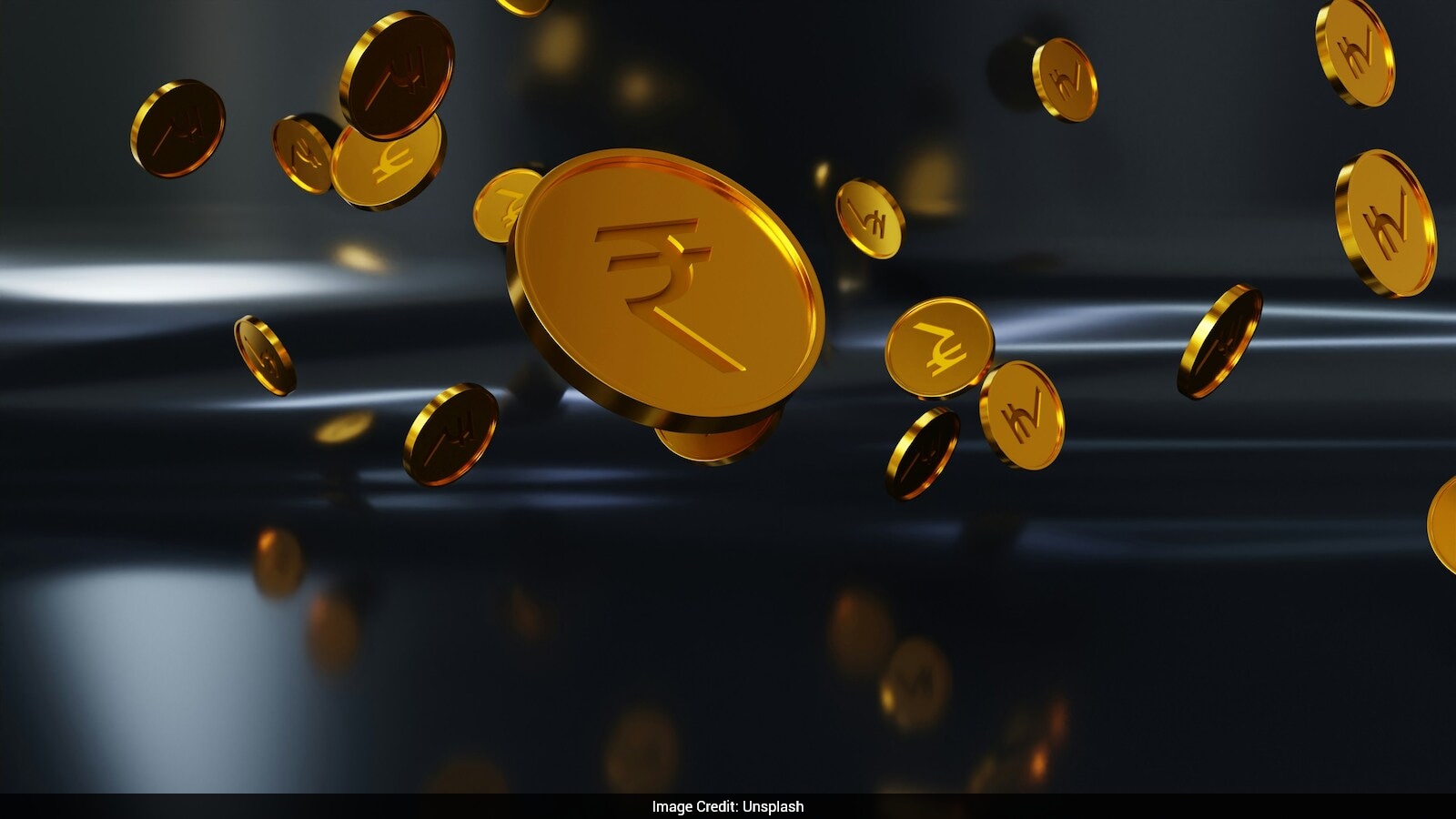
India uses the symbol ₹ to represent its rupee currency.
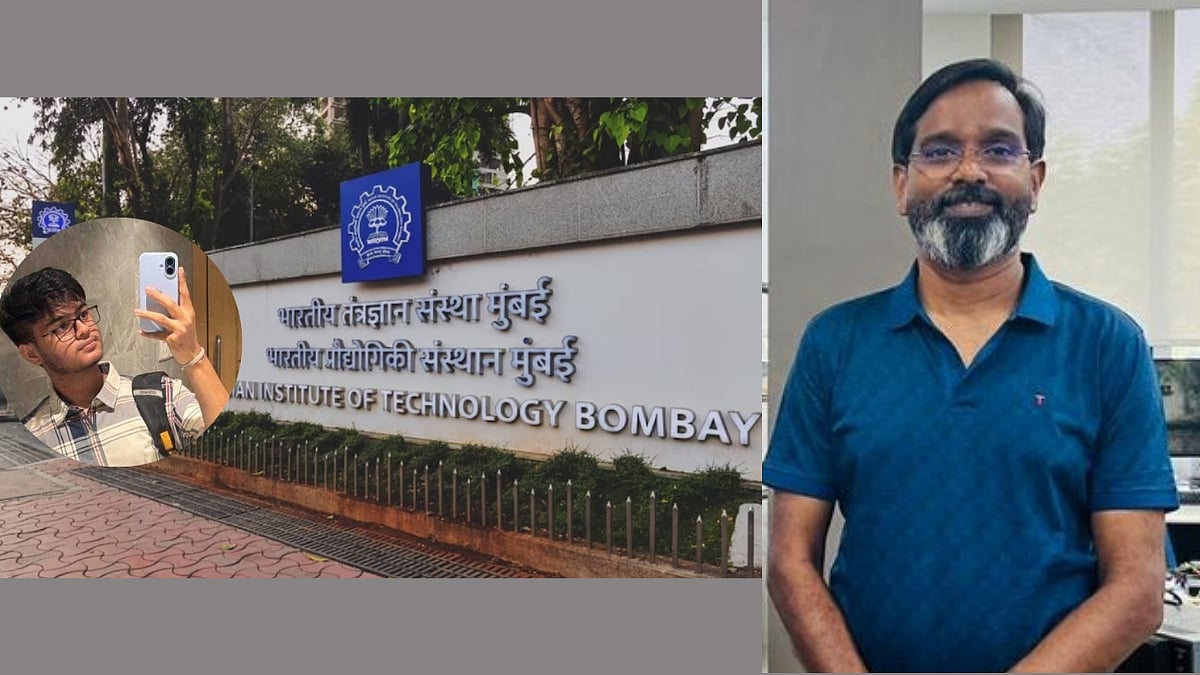
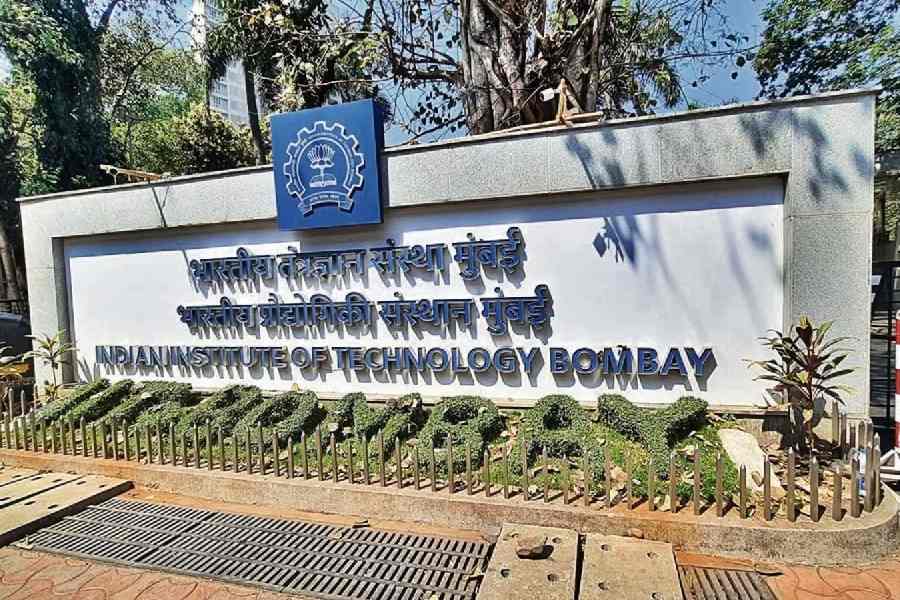
D Udaya Kumar designed the symbol when he was a postgraduate student at IIT Bombay.
He entered a Government of India competition with more than 3,000 other designs.
The government selected his design after a jury shortlisted five entries.
The symbol combines the Devanagari letter “र” with the English-style capital letter “R”.
It also includes two horizontal lines.
The Union Cabinet approved it on July 15, 2010.
The symbol began appearing on Indian bank notes and coins in 2011 and was later made available on computers through Unicode.

D Udaya Kumar designed the Indian rupee symbol ₹ while he was a postgraduate student at IIT Bombay.
His design was chosen from more than 3,000 entries submitted to a Government of India competition.
The symbol combines the Devanagari letter “र” with the Roman capital letter “R” and two horizontal lines.
The Union Cabinet approved the symbol on July 15, 2010, and it appeared on bank notes and coins in 2011.
The symbol was later added to the Unicode Standard as U+20B9 for use on computers and digital platforms.
- Who
- D Udaya Kumar designed the symbol, and the Government of India selected it.
- What
- India created and adopted the ₹ symbol as a standard visual representation of the rupee.
- Where
- The symbol is used across India, including on currency, official documents, and digital platforms.
- When
- The Union Cabinet approved it on July 15, 2010; it appeared on bank notes and coins in 2011.
- Why
- It provided the Indian rupee with a standard visual identity and helped distinguish it from other currencies also called the rupee.
Key facts
- Designer
- D Udaya Kumar
- Competition entries
- More than 3,000 designs
- Approval date
- July 15, 2010
- Currency use
- Introduced on Indian bank notes and coins in 2011
- Design elements
- The Devanagari letter “र”, the Roman capital letter “R”, and two horizontal lines
- Unicode code
- U+20B9
Sources
Related news
How Mahatma Gandhi’s Portrait Became Permanent on Indian Rupee Notes
How Mahatma Gandhi Became India’s Currency Face Over Time

Karnataka Unveils New Bharath Jodo Logo Promoting Youth Unity

PM Modi Honors Uttam Kumar’s Centenary With Silver Coin
Centre to Issue Silver Coin Marking Uttam Kumar Birth Centenary

India to Showcase UPI at 2026 BRICS Summit

Universities Turn to Campus Barriers as Suicide Prevention Debate Grows
Organiser Links Protests to Alleged Communist-Islamist Cabal
IIT Bombay Director Questioned Over Sahil Wakode’s Death
Wakode’s Father Denied Azad Maidan Protest, Plans IIT Bombay Visit
IIT Bombay Professor Denies Casteist Words in Student Death Probe