1 day ago
How Mahatma Gandhi’s Portrait Became Permanent on Indian Rupee Notes
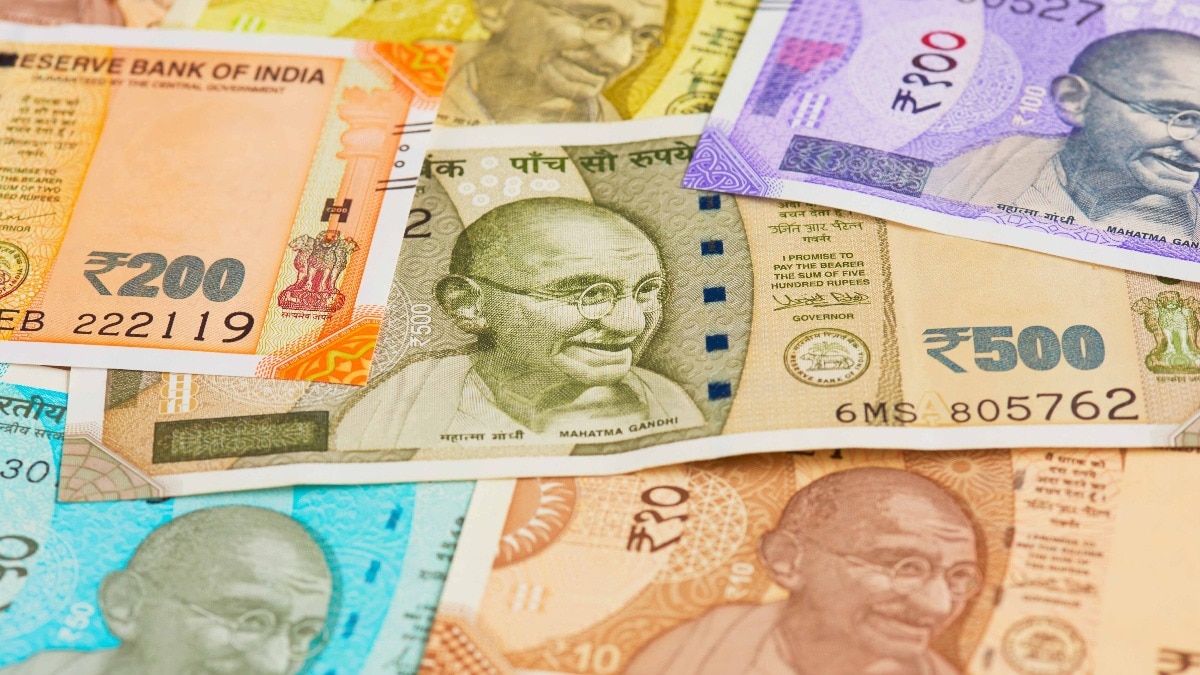
India did not put Gandhi’s picture on every banknote immediately after independence.
For a short time, notes still showed King George VI.
In 1949, the Lion Capital of Ashoka replaced the king’s image on the one-rupee note.
Gandhi first appeared on a special note series in 1969.
He was also shown on a ₹500 note in 1987.
In 1996, the Reserve Bank of India made his portrait part of the regular banknote design.
Officials chose Gandhi because he was widely accepted as representing India.
They also believed a human face could make counterfeiting more difficult.
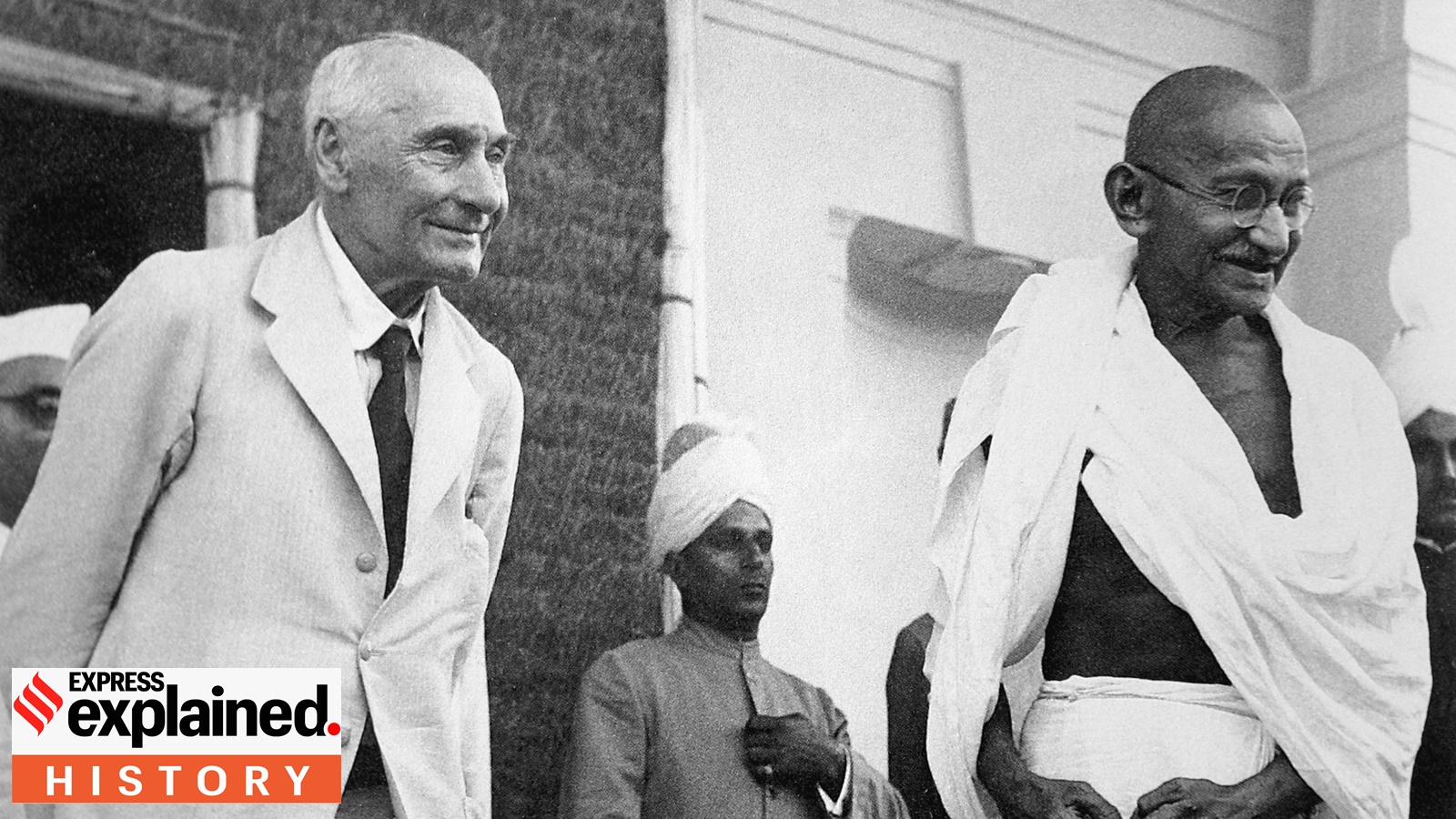
The portrait was taken from a 1946 photograph in Delhi.

Gandhi’s currency portrait comes from a 1946 Delhi photograph showing him with Lord Frederick William Pethick-Lawrence.
The photographer and the person who selected the image have never been identified.
Independent India initially replaced King George VI with the Lion Capital of Ashoka on its banknotes.
Gandhi first appeared on currency in 1969 and later featured on a ₹500 note introduced in 1987.
The Reserve Bank of India made Gandhi’s portrait permanent across denominations in the 1996 Mahatma Gandhi Series.
- Who
- Mahatma Gandhi, the Reserve Bank of India, and the Union government were involved in the selection and approval of the banknote design.
- What
- Gandhi’s portrait became a permanent feature on Indian banknotes through the 1996 Mahatma Gandhi Series.
- Where
- The source photograph was taken in Delhi in 1946, and the notes were issued in India.
- When
- Gandhi first appeared on Indian currency in 1969; his portrait became permanent in 1996.
- Why
- Gandhi was chosen for his national appeal, and officials believed a human face could be harder to forge than an inanimate design.
Key facts
- Source photograph
- Taken in Delhi in 1946, with Gandhi standing beside Lord Frederick William Pethick-Lawrence.
- First appearance
- A special series commemorating Gandhi’s 100th birth anniversary was issued in 1969.
- 1987 note
- A ₹500 note featuring Gandhi was launched in October 1987.
- Permanent series
- The Mahatma Gandhi Series was launched in 1996.
- Earlier symbol
- The Lion Capital of Ashoka replaced King George VI on independent India’s early notes.
- 2016 update
- The Mahatma Gandhi New Series retained Gandhi’s portrait and added the Swachh Bharat Abhiyan logo.
- Image origins
- The photographer and the person who shortlisted the particular portrait are unknown.
Quotes
RBI museum website
The Reserve Bank of India museum’s historical account of early independent Indian currency designs
“Symbols for independent India had to be chosen. At the outset, it was felt that the King’s portrait be replaced by a portrait of Mahatma Gandhi. Designs were prepared to that effect. In the final analysis, the consensus moved to the choice of the Lion Capital at Sarnath in lieu of the Gandhi Portrait.”
 indianexpress.com

Arun Jaitley
India’s then Finance Minister, speaking in the Lok Sabha
“The Committee (constituted by RBI) decided that no other personality could better represent the ethos of India than Mahatma Gandhi.”
indianexpress.com
Sources
Related news
How Mahatma Gandhi Became India’s Currency Face Over Time

How India’s Rupee Symbol ₹ Was Designed and Adopted
Gandhi Statue Dispute, Hindi Assurance, Economy Praise and Arrests

Refurbished Gandhi Museum Reopens With Digital Displays in Madurai
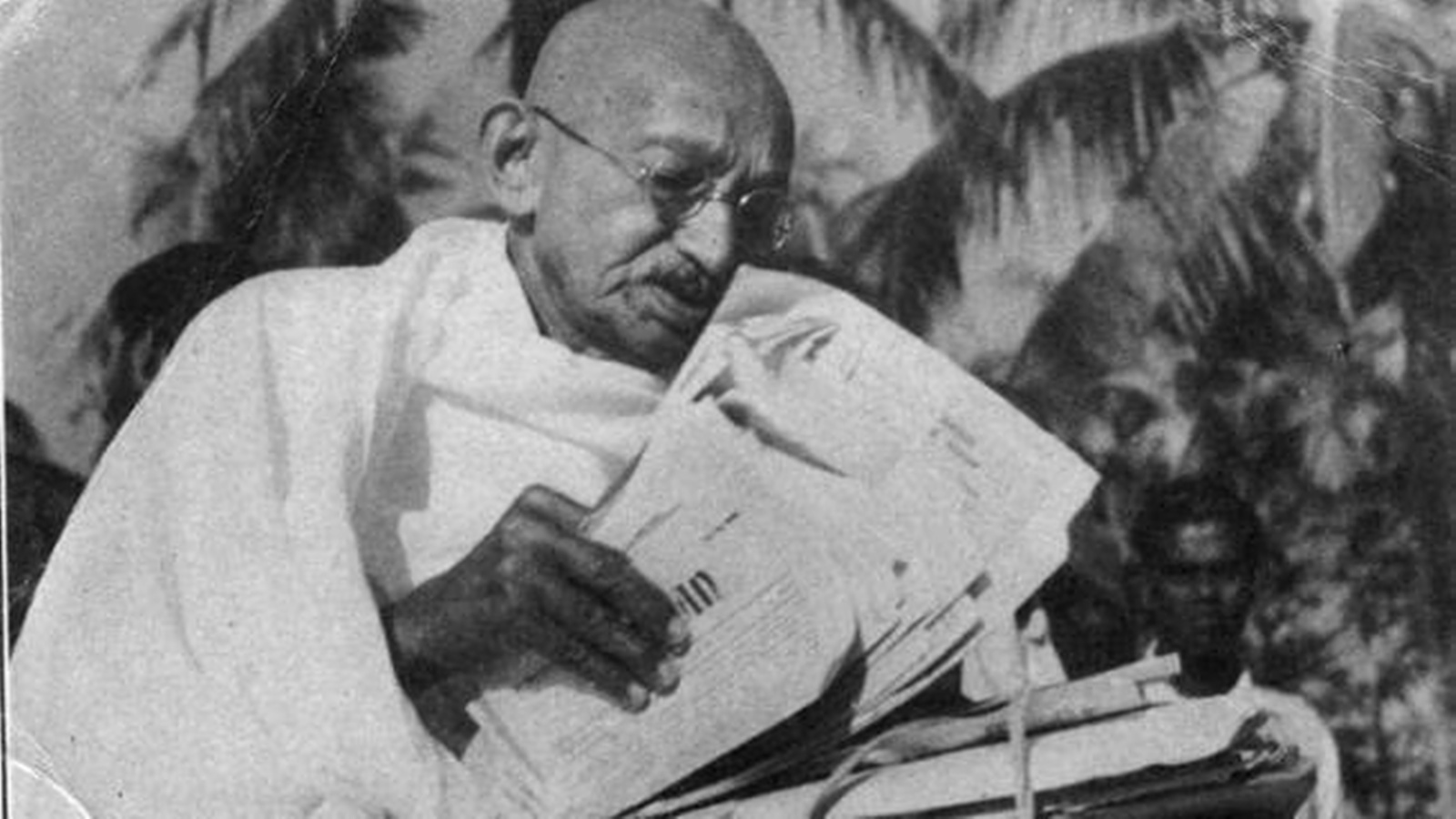
Gandhi's Cartoon Legacy Challenges India's Modern Official Crackdowns

Gandhi Jayanti 2026: Banks Closed, Digital Services Remain Available
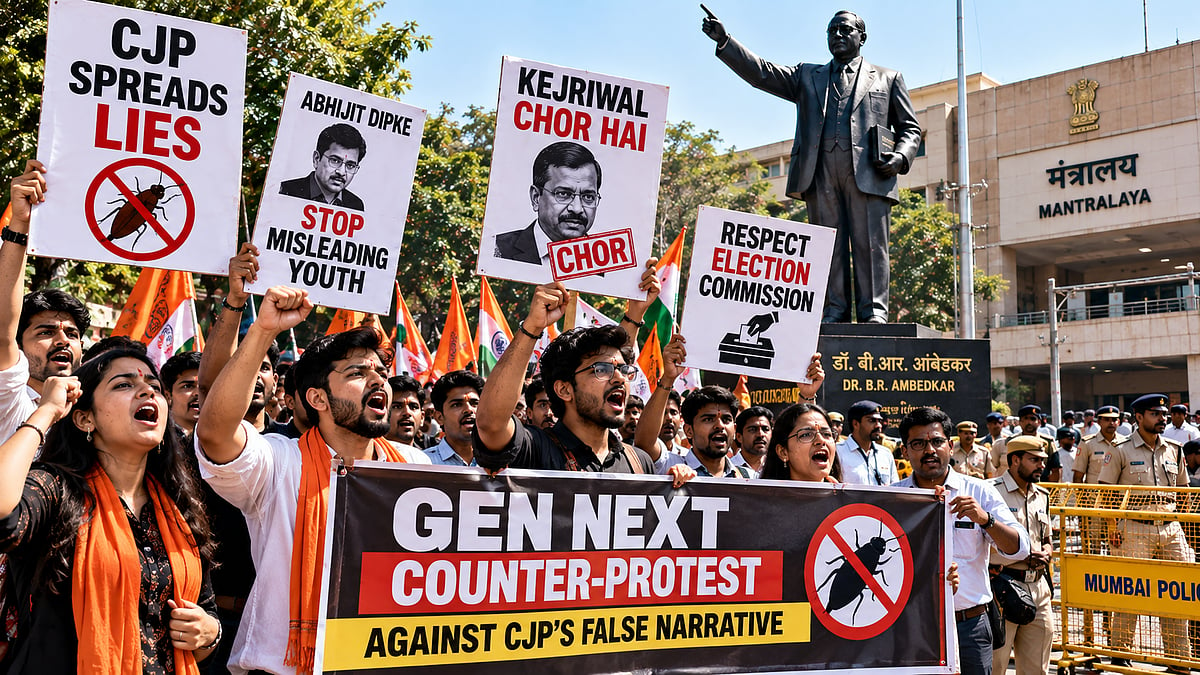
Gen Next Mumbai Holds Counter-Protest Against CJP Election Stir

Punjab Election 2027: AAP Defends Power as Rivals Seek Revival
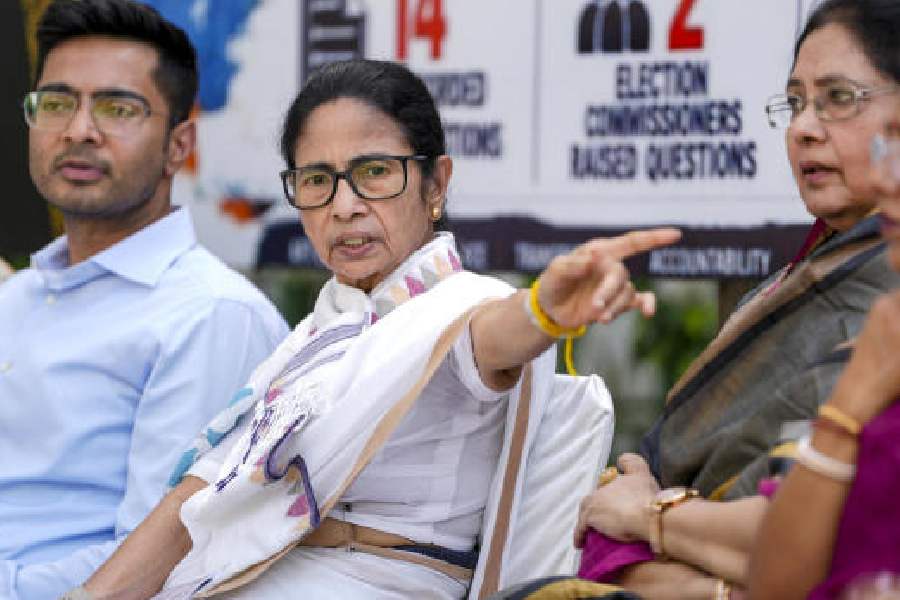
Mamata Demands Gyanesh Kumar’s Resignation, Cites Bengal Poll Violence
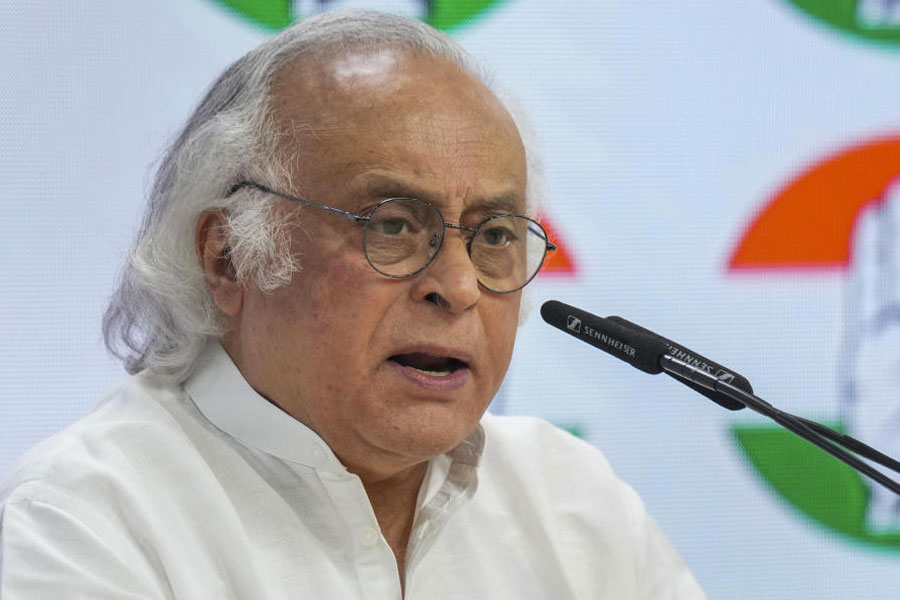
Congress Hails Pilot as BJP Questions Rahul Gandhi's Silence