9 months ago
Bombay High Court Design Criticized for Colonial Influence
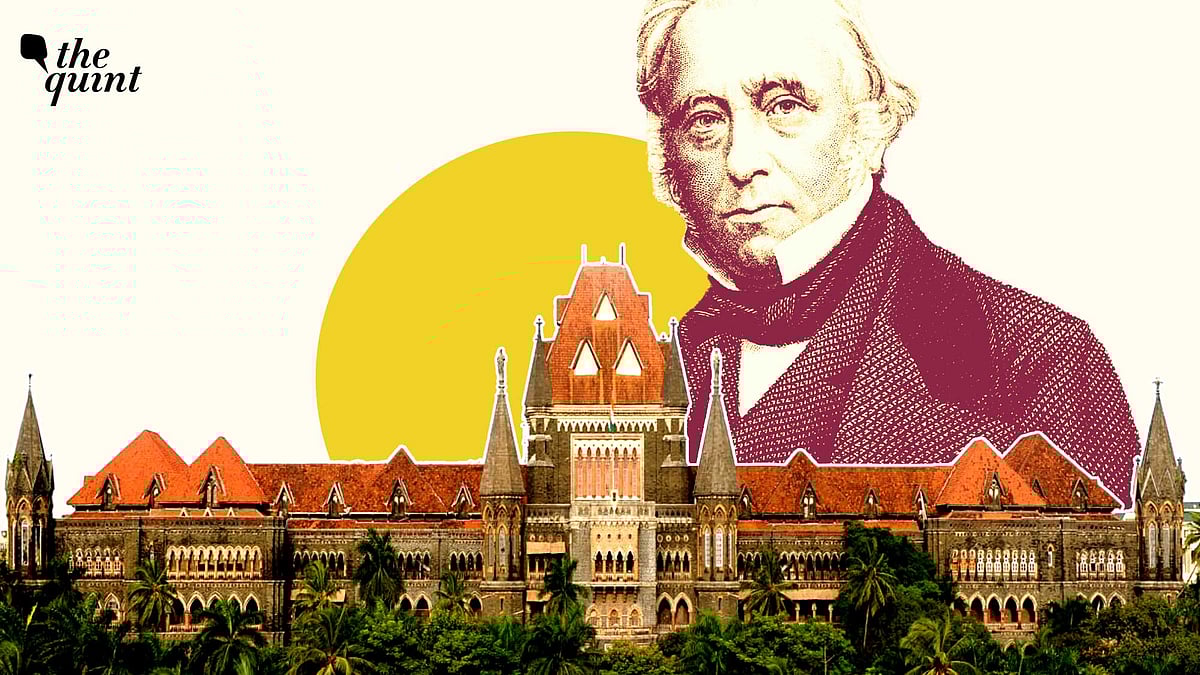
The new design for the Bombay High Court, created by architect Hafeez Contractor, is being criticized for looking too much like old British buildings.
Some people think it's not very Indian and reminds them of the colonial times.
The design has big columns and a style that's not very modern.
There's even a copy of the Ashoka Pillar at the entrance, which some people find ironic.
Critics say it's not a good idea to build important buildings in India that look like they're from the British time.
They want buildings that show India's own style and culture.
The people who chose this design like it, but many architects and others think it's not the right choice for a big, important building in India.

Hafeez Contractor's classical and neo-classical design for Bombay High Court faces criticism for colonial influence.
Critics argue the design lacks 'swadeshi architecture' and reinforces a colonial mindset.
The design includes a replica of the Ashoka Pillar, seen as a token gesture to Indianness.
Selection committee lauded the design, while architects describe it as regressive.
Historical context highlights British use of architecture to reinforce hierarchy and subjugation.
- Who
- Architect Hafeez Contractor and the Steering Committee
- What
- Design of the Bombay High Court building
- Where
- Bombay High Court, India
- When
- Design selected and criticized in recent times
- Why
- Criticized for colonial influence and lack of indigenous architectural elements
Key facts
- Design Architect
- Hafeez Contractor
- Design Style
- Classical and Neo-Classical
- Criticism
- Colonial hangover, lack of swadeshi architecture
- Selection Committee
- Lauded the design
- Symbolic Element
- Replica of Ashoka Pillar
- Critics' View
- Farcical approach to national significance
- Potential Naming Concern
- Named after freedom fighters like Gandhi or Tilak
- Historical Context
- British used architecture to reinforce hierarchy
Sources
Related news

Free Press Journal Reissues Historic August 15, 1947 Independence Edition
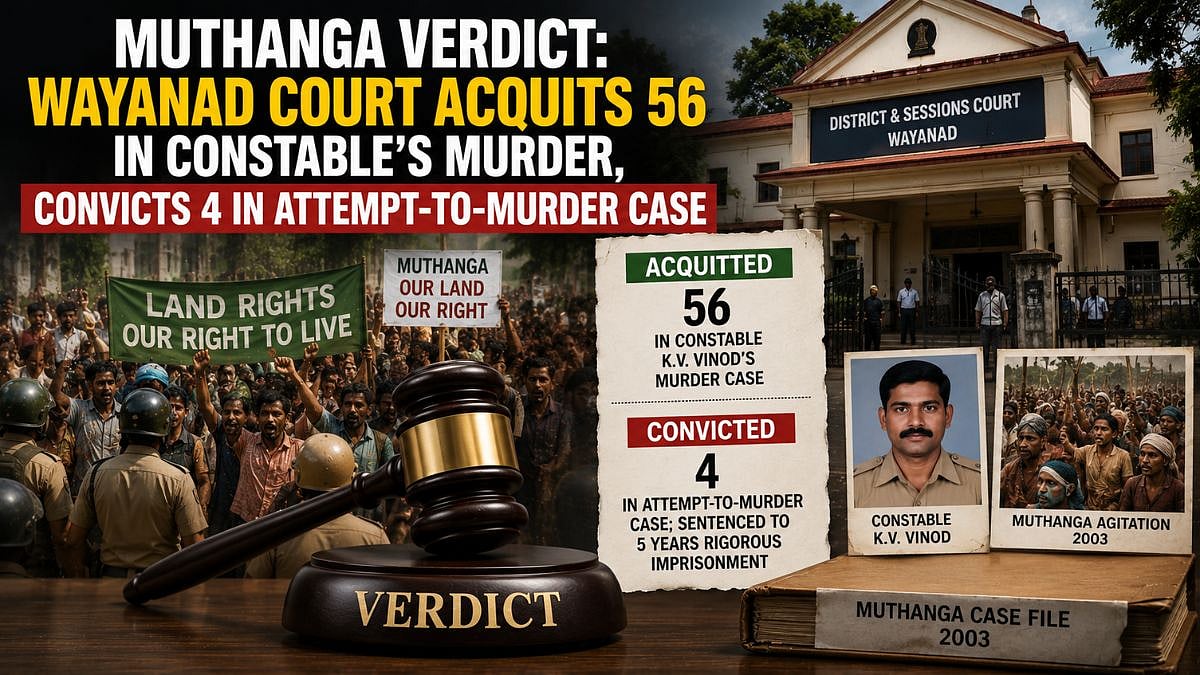
Wayanad Court Acquits 56 in 2003 Muthanga Murder, Convicts Four in Attempt Case

Sarnath Becomes India's 45th UNESCO World Heritage Site