1 month ago
Sarnath Becomes India's 45th UNESCO World Heritage Site

Sarnath, a place in India, has just been named a UNESCO World Heritage Site.
This means it's now protected because it's very important historically.
Sarnath has old ruins, like the Dharmarajika Stupa and the Ashokan Pillar, which are over two thousand years old.
The pillar was built by Emperor Ashoka and has a special lion capital that's now in a museum nearby.
The site was waiting for this recognition for almost three decades.
It's a big deal because it helps preserve the history and culture of the place for everyone to learn about and enjoy.

Sarnath has been designated as India's 45th UNESCO World Heritage Site.
The site includes the ruins of the Dharmarajika Stupa, which have been reduced to a low circular foundation.
The Ashokan Pillar, erected by Emperor Ashoka in the third century BCE, stands in a broken but still commanding condition.
The lion capital that once crowned the Ashokan Pillar is now displayed in the Sarnath Archaeological Museum.
The site has been waiting for UNESCO recognition for almost three decades.
- Who
- UNESCO
- What
- Designation of Sarnath as a World Heritage Site
- Where
- Sarnath, Uttar Pradesh, India
- When
- After almost three decades of waiting
- Why
- To recognize its historical and cultural significance
Historical Preservation
Modern Development
Site Preservation
Historical Preservation
Preserving the historical integrity of Sarnath is crucial for cultural heritage.
Modern Development
Balancing preservation with modern development is necessary for tourism and economic growth.
Key facts
- Location
- Sarnath, Uttar Pradesh, India
- UNESCO Status
- 45th World Heritage Site
- Historical Significance
- Site of the Dharmarajika Stupa and Ashokan Pillar
- Era of Ashokan Pillar
- Third century BCE
- Current Condition
- Ruins of the Dharmarajika Stupa, Ashokan Pillar in broken condition
- Lion Capital
- Displayed in the Sarnath Archaeological Museum
Sources
Related news

BEL Recruitment 2026: Apply For 14 Project Engineer Posts

Jindal Steel, IIT Hyderabad Establish Advanced Steel Centre
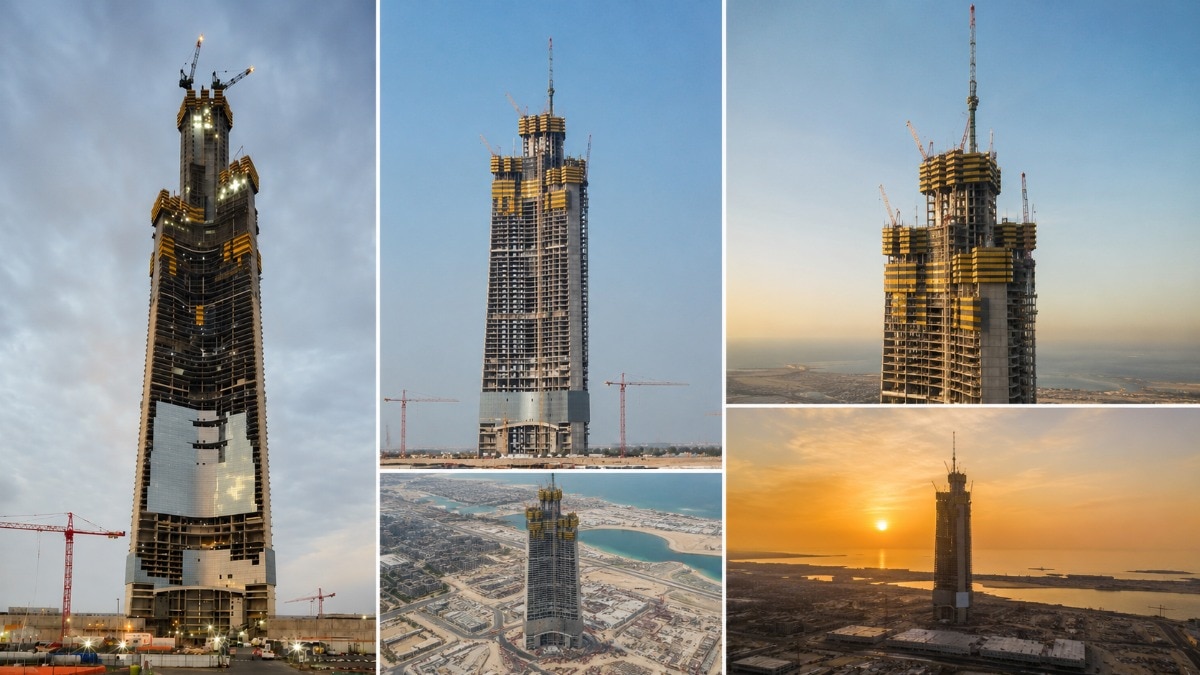
Saudi Arabia's JEC Tower crosses 100-floor mark, nears one-kilometre height

Railways Approves Rs 800 Crore Safety and Freight Projects

Seven AI Courses Offer Paths From Free Lessons to Credentials

Free Press Journal Reissues Historic August 15, 1947 Independence Edition

Wayanad Court Acquits 56 in 2003 Muthanga Murder, Convicts Four in Attempt Case
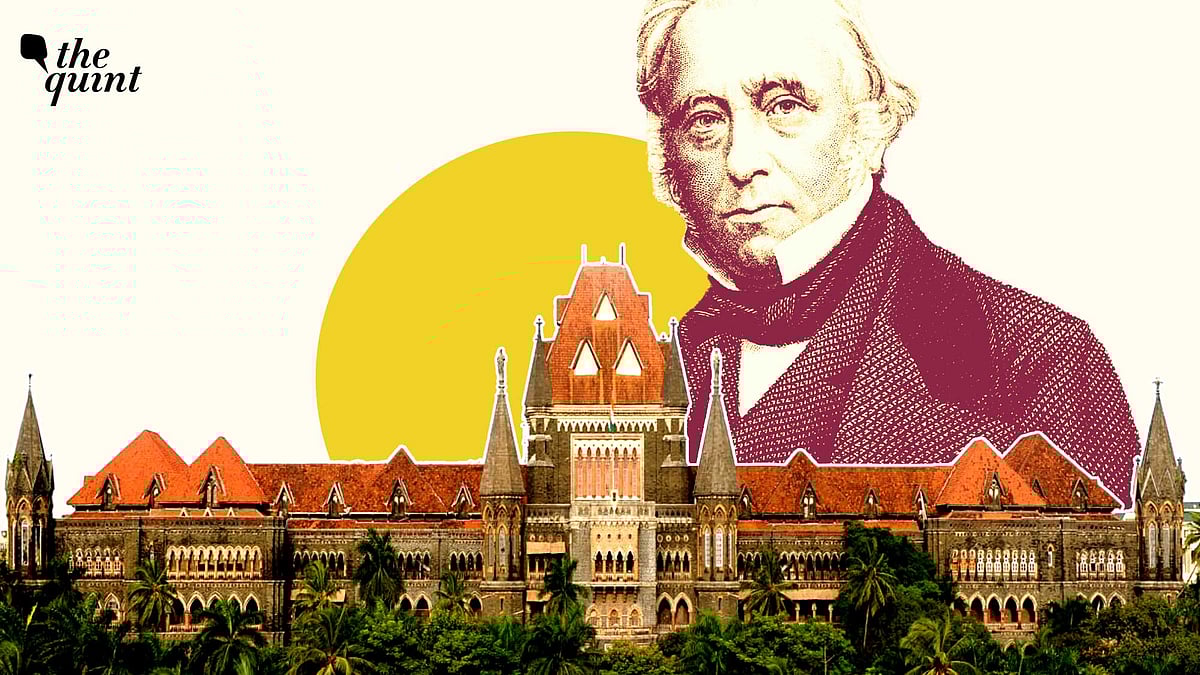
Bombay High Court Design Criticized for Colonial Influence