

1 hr ago
India Builds Layered Air Defence Around S-400 Squadrons
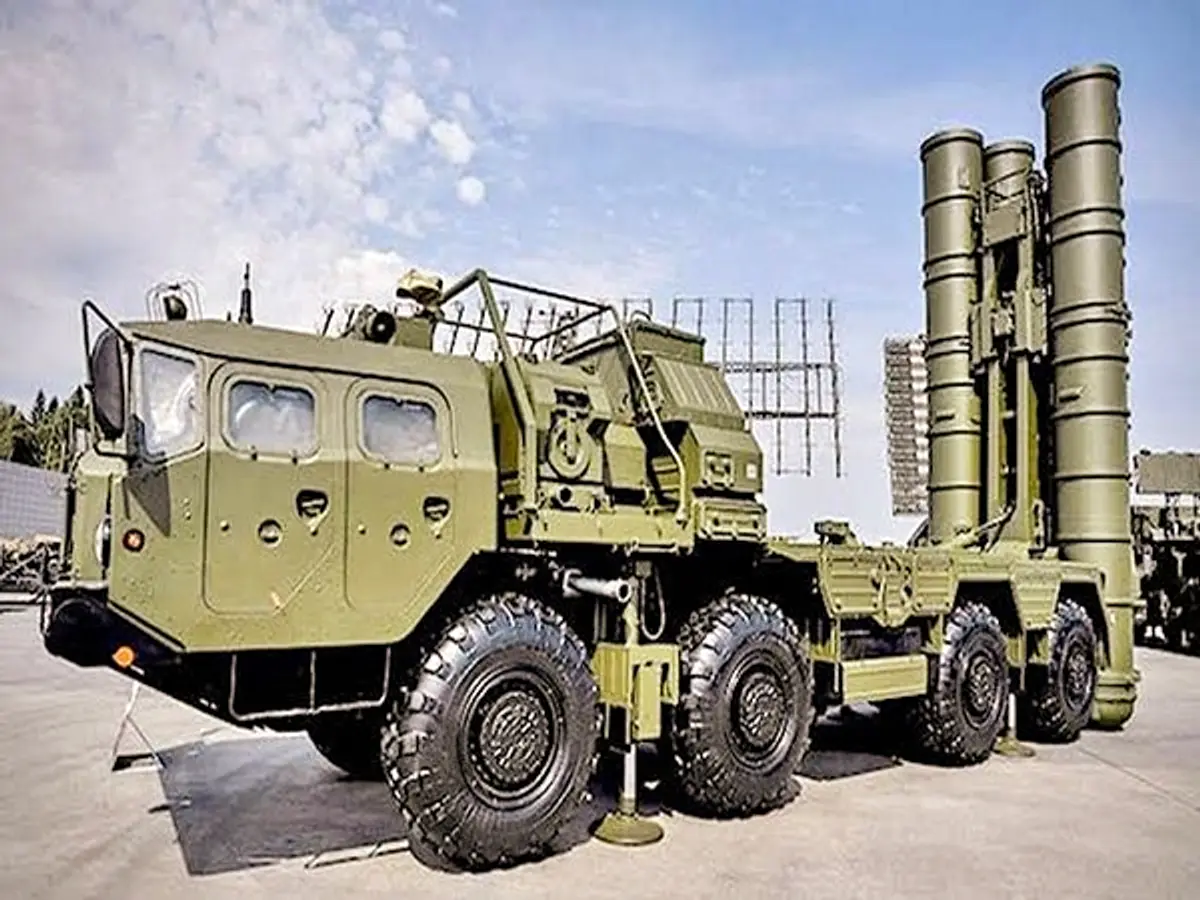
India already plans to use S-400 air-defence systems and may buy five more from Russia.
The S-400 can shoot down threats from far away.
India is also building a network called IACCS to connect many radars and aircraft.
This network can help commanders see threats more clearly.
A shorter-range system called Pantsir-S1 could guard S-400 equipment from nearby attacks.
India is developing another long-range system called Project Kusha.
Kusha is meant to work alongside the S-400 and other Indian air-defence systems.
Together, these systems could create several layers of protection.
The main goal is to detect threats, decide what to do and respond quickly.

Russia has responded to India’s request for five additional S-400 squadrons, potentially increasing the planned total from five to ten.
India’s Integrated Air Command and Control System can combine data from ground radars, Netra and Phalcon aircraft, and other sensors.
A possible Pantsir-S1 layer could protect S-400 components from drones, cruise missiles and loitering munitions.
India’s indigenous Project Kusha, or Extended Range Air Defence System, is being developed as another long-range defence layer.
The emerging architecture combines sensors, command networks and multiple interceptors, with IACCS coordinating the wider air-defence system.
- Who
- India, the Indian Air Force and Russia are involved.
- What
- India is developing a layered air-defence network around its S-400 systems and may add five more squadrons.
- Where
- The systems and network are being developed for India’s air-defence architecture.
- When
- Russia has formally responded to India’s requirement; Project Kusha was successfully tested earlier this year.
- Why
- To improve detection and coordination, protect high-value S-400 assets and defend against aircraft, missiles, drones and other airborne threats.
Key facts
- Current planned S-400 strength
- Five squadrons
- Potential additional purchase
- Five more S-400 squadrons
- Possible future total
- Ten squadrons
- Command network
- Integrated Air Command and Control System (IACCS)
- Possible point-defence system
- Pantsir-S1
- Indigenous long-range programme
- Project Kusha, also called the Extended Range Air Defence System
- Connected airborne sensors
- Netra and Phalcon aircraft
Sources
Related news

Russia Offers India Five More S-400 Air-Defence Squadrons
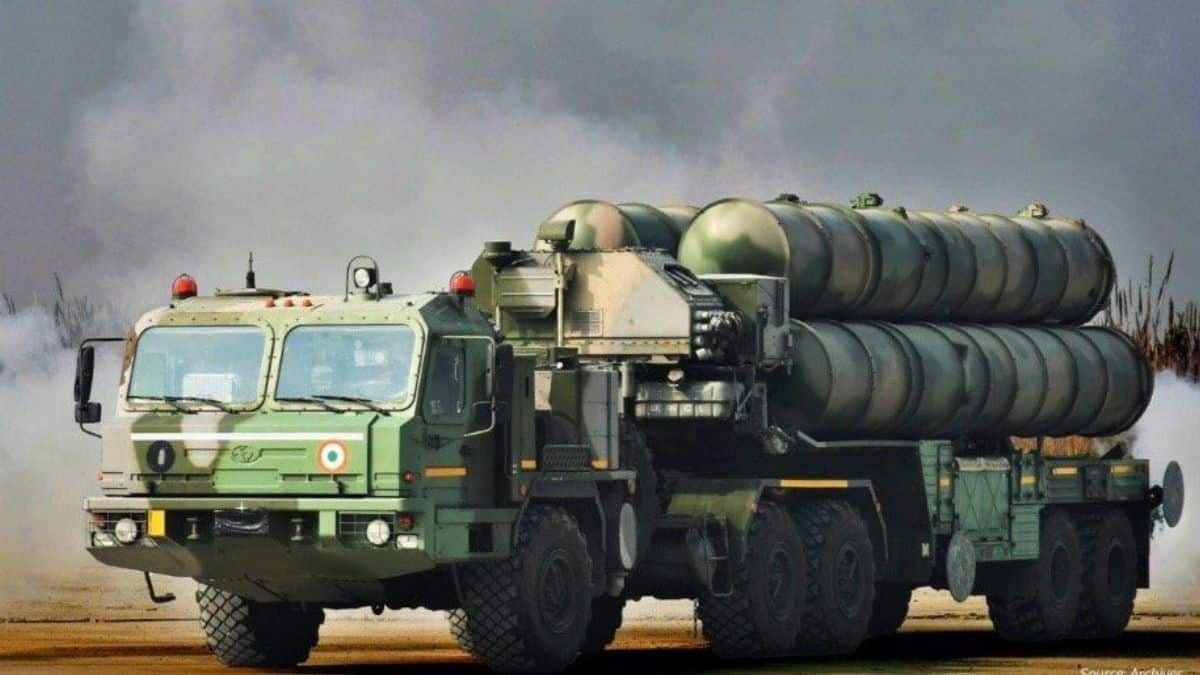
Russia Submits Proposal for Five More S-400 Squadrons
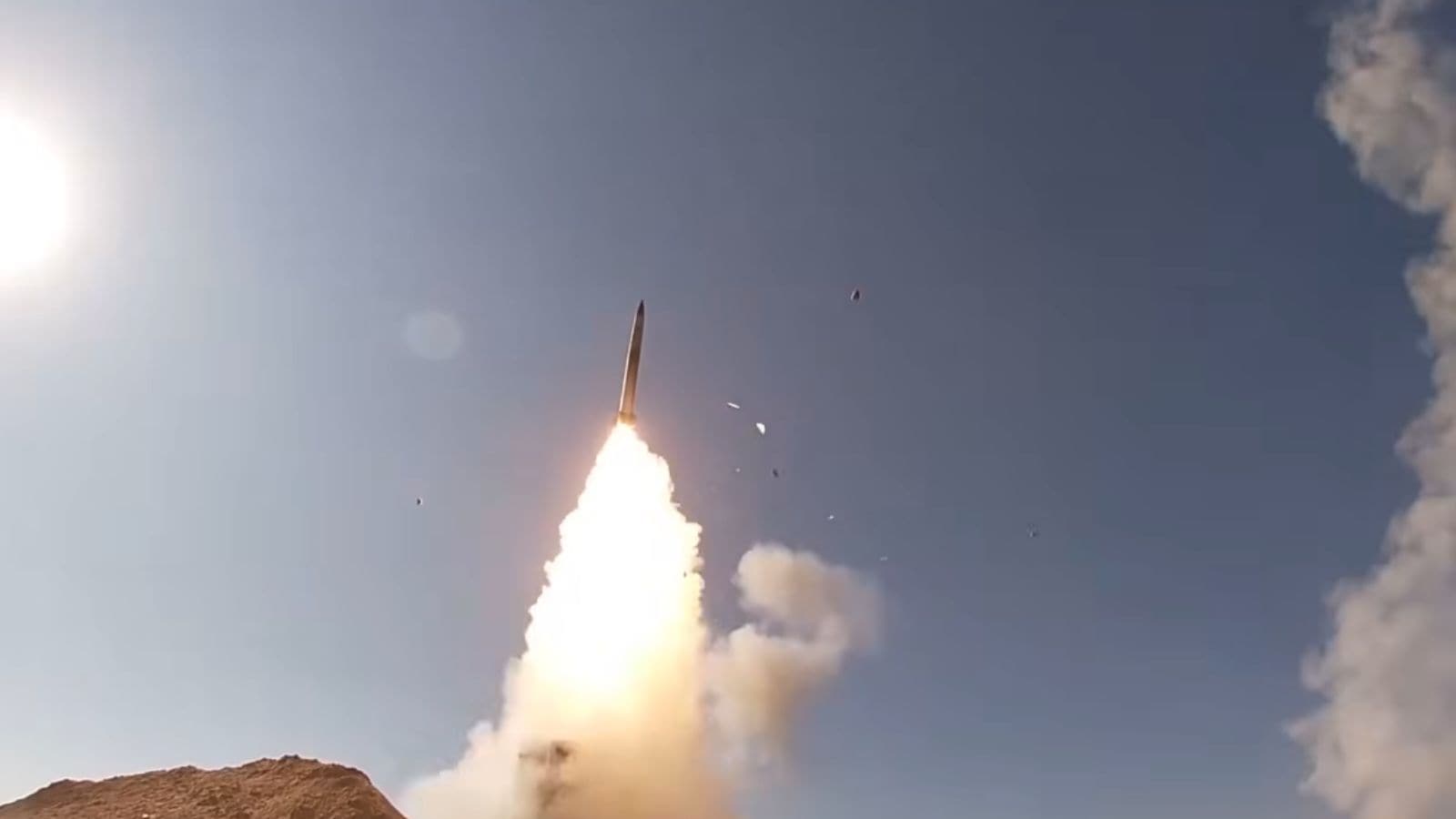
India Weighs Five More Russian S-400 Squadrons After Operation Sindoor

Ex-Air Marshal Says Pakistan Hunted India’s S-400 Systems
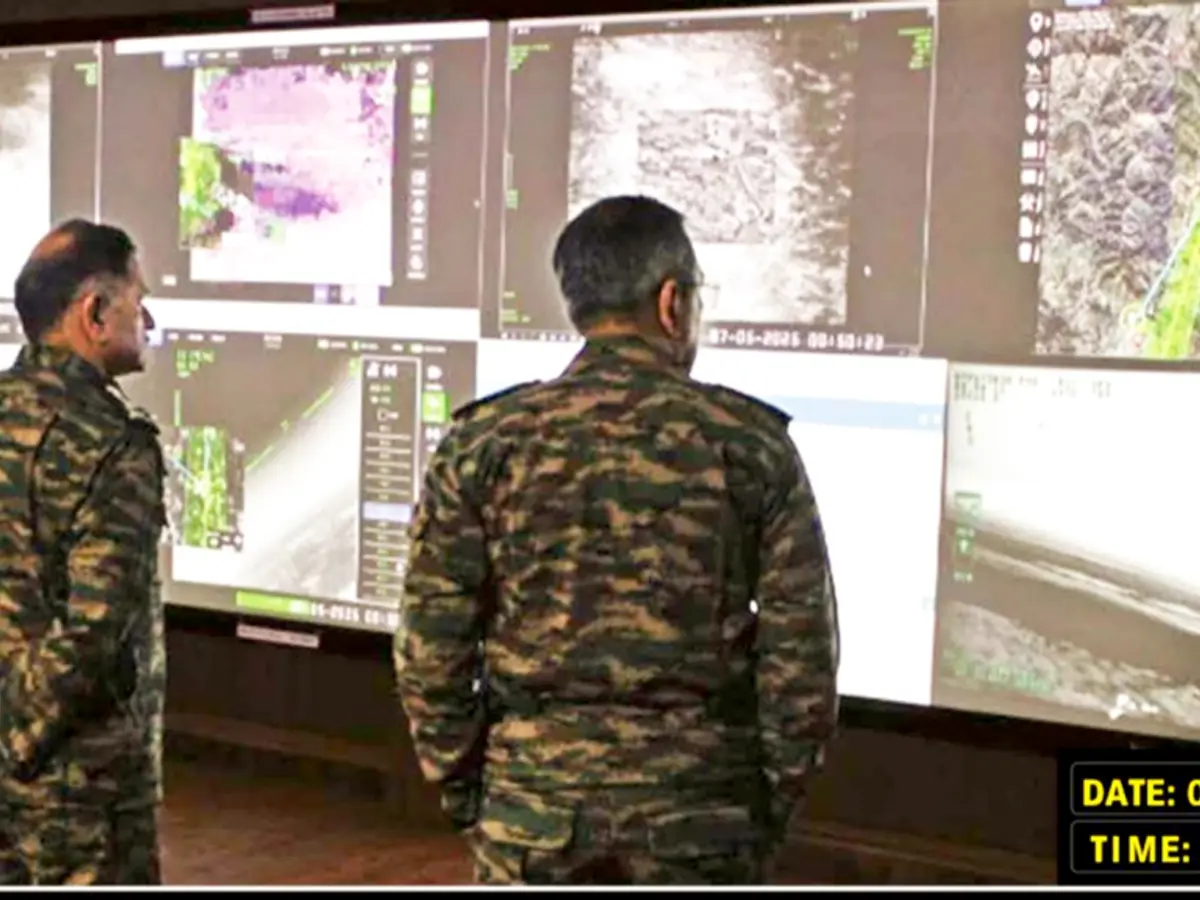
India Builds Digital Military Networks for Network-Centric Warfare
