1 hr ago
Solar Geoengineering Could Disrupt Monsoons, Scientists Warn

Some scientists are studying whether putting material high in the atmosphere could block some sunlight.
Monsoons depend partly on warm land and cooler oceans.
Changing the sunlight reaching them could change the rains.
A 2008 study said this might weaken Asian and African summer monsoons.
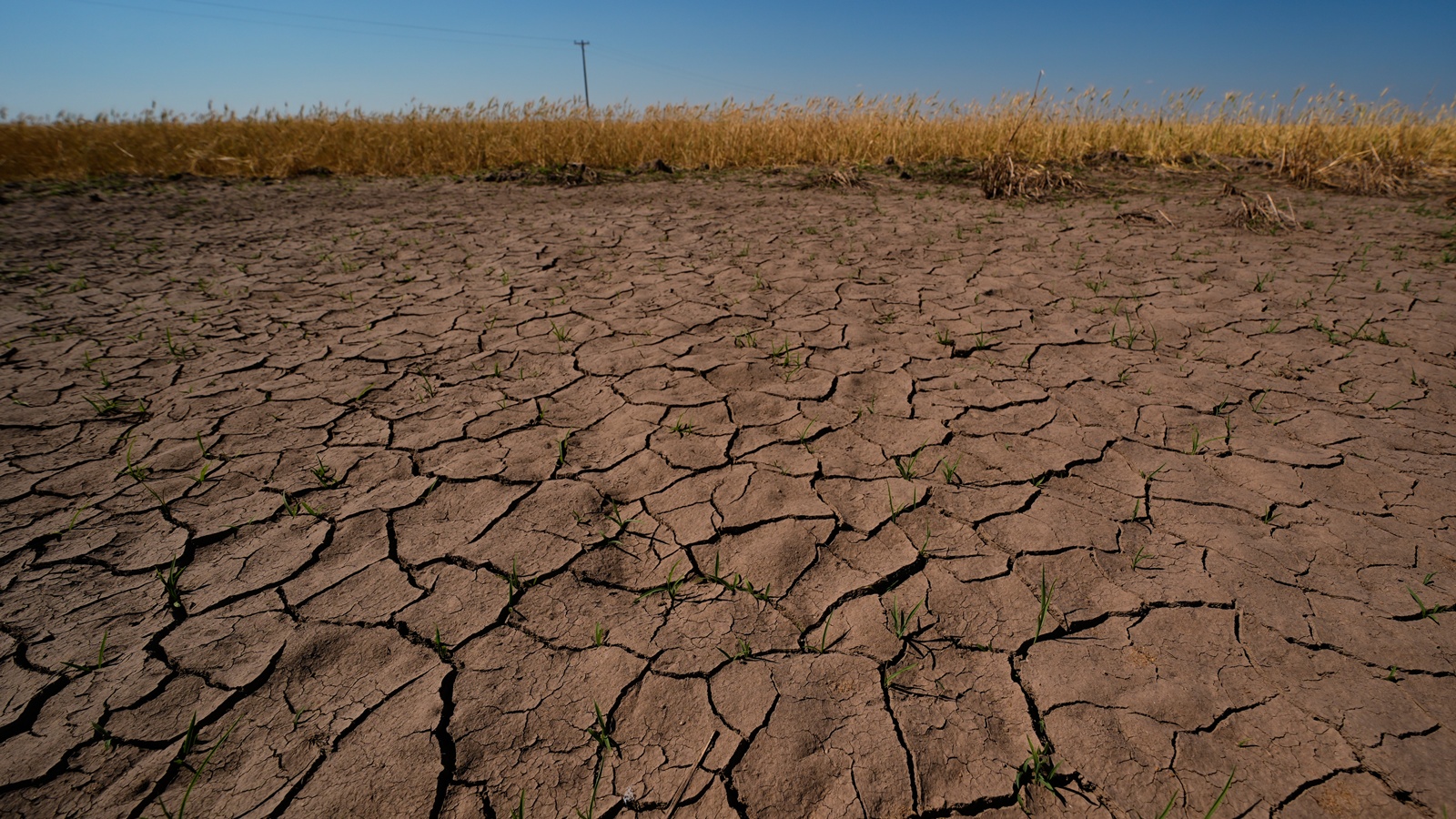
Less rain could threaten food supplies for billions of people.
Other studies also found less rain in South Asia.
However, a 2025 study said the drying might be no worse than what happens under ordinary emissions cuts.
Scientists do not agree on the outcome, and the article says the experiment could not be safely tested or easily stopped.

Stratospheric sunlight-reflecting injections could interfere with the temperature difference that drives monsoons.
A 2008 study by Alan Robock and colleagues found such injections could disrupt Asian and African summer monsoons.
The study projected reduced rainfall that could affect food supplies for billions of people.
Other research also found reductions in South Asian monsoon rainfall, while a 2025 study reported less severe drying.
The article argues that planetary-scale experimentation would be difficult to test beforehand and impossible to stop once started.
- Who
- Alan Robock and colleagues, along with other researchers studying stratospheric sunlight-reflecting injections.
- What
- The potential use of stratospheric injections to interfere with sunlight and alter the climate system, especially monsoon rainfall.
- Where
- The potential effects discussed include the Asian and African summer monsoons, particularly South Asia and India.
- When
- A 2008 study and a 2025 study are cited; no date is given for the proposal itself.
- Why
- The stated purpose is to interfere with sunlight reaching the land and sea, though the article does not specify the broader policy rationale.
Concerns About Solar Geoengineering
Evidence of Potentially Limited Drying
Effect on monsoon rainfall
Concerns About Solar Geoengineering
The 2008 study and other research indicate that stratospheric injections could disrupt Asian and African monsoons and reduce South Asian rainfall.
Evidence of Potentially Limited Drying
A 2025 study argued that the resulting drying would be no worse than under ordinary emissions cuts.
Planetary-scale experimentation
Concerns About Solar Geoengineering
The article argues that the intervention cannot be adequately tested beforehand and cannot be stopped once begun.
Evidence of Potentially Limited Drying
The cited 2025 study provides a less severe assessment of one possible consequence, although it does not eliminate the uncertainty described in the article.
Key facts
- Climate system involved
- The monsoon depends on the temperature difference between heated land and cooler sea.
- Proposed intervention
- Injecting material into the stratosphere to affect incoming sunlight.
- 2008 finding
- Alan Robock and colleagues found that stratospheric injection could disrupt Asian and African summer monsoons.
- Potential consequence
- Reduced rainfall could affect food supplies for billions of people.
- South Asian findings
- Other research reported reductions in South Asian monsoon rainfall.
- 2025 finding
- A 2025 study argued that the drying would be no worse than under ordinary emissions cuts.
- Central uncertainty
- The article says researchers do not know what the full rainfall pattern would be.
Sources
Related news

Strong El Niño Threatens India’s Monsoon, Raises 2027 Heat Risk
India’s Monsoon Faces 15% Deficit as El Niño Strengthens

Indian Monsoon Expected To Pause As El Niño Strengthens

Karnataka Approves Cloud Seeding Amid Widespread Monsoon Rainfall Deficit
India Faces Double Squeeze on Food Prices