3 weeks ago
Hormuz Confrontation Shows Chokepoint Geography Can Rival Military Strength
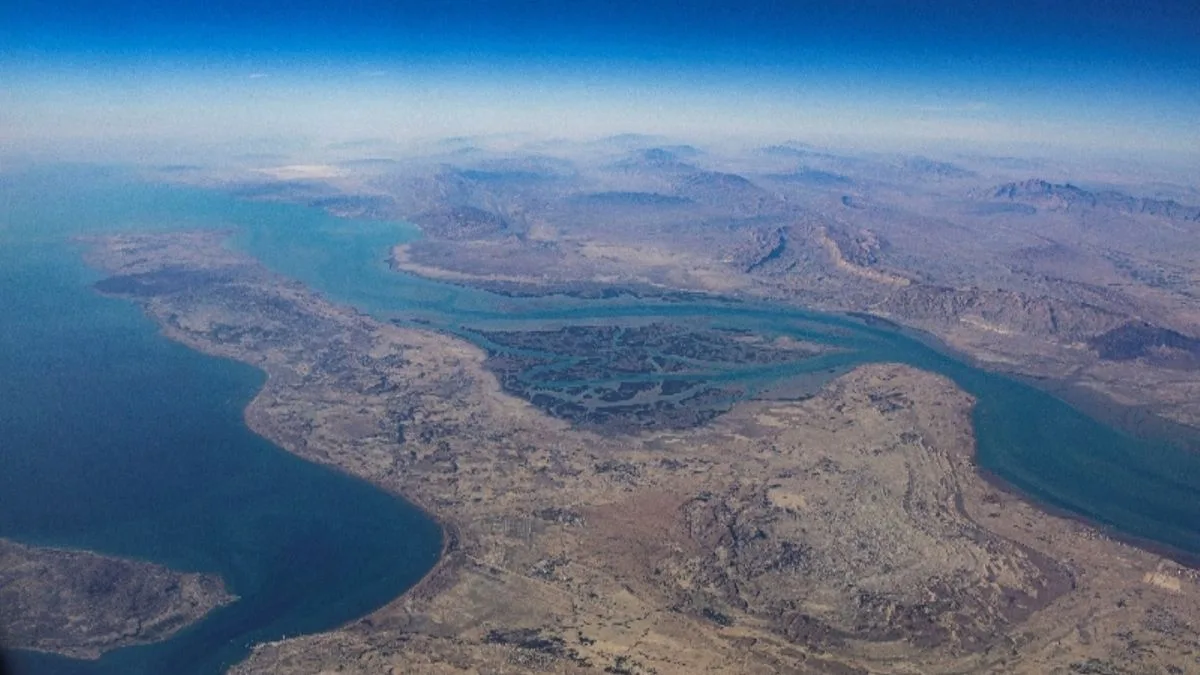
Imagine a very narrow waterway that almost every big ship must pass through to carry oil to the rest of the world.
This place is called the Strait of Hormuz.
One country, Iran, lives right next to this waterway.
Iran can use boats, mines, drones and missiles to make shipping through the strait scary and difficult.
When shipping looks risky, companies pay more for insurance, and the price of energy goes up.
That means people in many countries pay more for fuel, even if no ship is ever attacked.
Countries like India, China, Japan and South Korea depend a lot on this route.
Because so many nations rely on it, a small piece of geography can become very powerful.
The article says that to become safer, countries should build new pipelines, keep bigger energy reserves and use more renewable energy.

The Strait of Hormuz is the principal artery connecting the world's richest hydrocarbon reserves to global markets.
The Gulf conflict shifted attention from Iran's nuclear programme to its ability to threaten the uninterrupted movement of energy.
Even if Iran's conventional military is degraded, its coastline, missiles, drones, mines and fast attack craft impose uncertainty on commercial shipping.
Insurance premiums rise, freight costs increase and oil markets react before a single tanker is struck.
India, China, Japan and South Korea rely heavily on Gulf energy, while the United States faces exposure through global price shocks.
- Who
- Iran and energy-importing nations including India, China, Japan, South Korea and the United States.
- What
- Analysis of how the Gulf conflict highlights Iran's ability to threaten energy shipping through the Strait of Hormuz.
- Where
- The Strait of Hormuz, with related maritime chokepoints at Bab el-Mandeb and the Malacca Strait.
- When
- During a recent Gulf confrontation; the article does not specify exact dates.
- Why
- The world still depends on a handful of maritime chokepoints for energy, so geography gives Iran strategic leverage.
Key facts
- Strategic waterway
- Strait of Hormuz
- Other key chokepoints
- Bab el-Mandeb, Malacca Strait
- Iran's disruptive assets
- Coastline position, missiles, drones, mines, fast attack craft
- Market effects of disruption
- Higher insurance premiums, increased freight costs, oil price reactions
- Heavy Gulf energy importers
- India, China, Japan, South Korea
- United States exposure
- Direct import dependence has declined, but economy remains exposed to price shocks
- Proposed resilience measures
- New pipelines, larger strategic reserves, renewable energy, diversified import routes
Sources
Related news
Trump’s Economic Pressure on Iran Risks Wider Gulf War

Bessent Predicts Pipelines Will Bypass Strait of Hormuz

India Diversifies Oil Supplies as Hormuz Becomes Less Powerful
Iran bets on Strait of Hormuz leverage to outlast US

Mine Warfare Hampers U.S. Efforts to Control Hormuz

PM Narendra Modi urges energy self-reliance amid resource weaponisation warnings
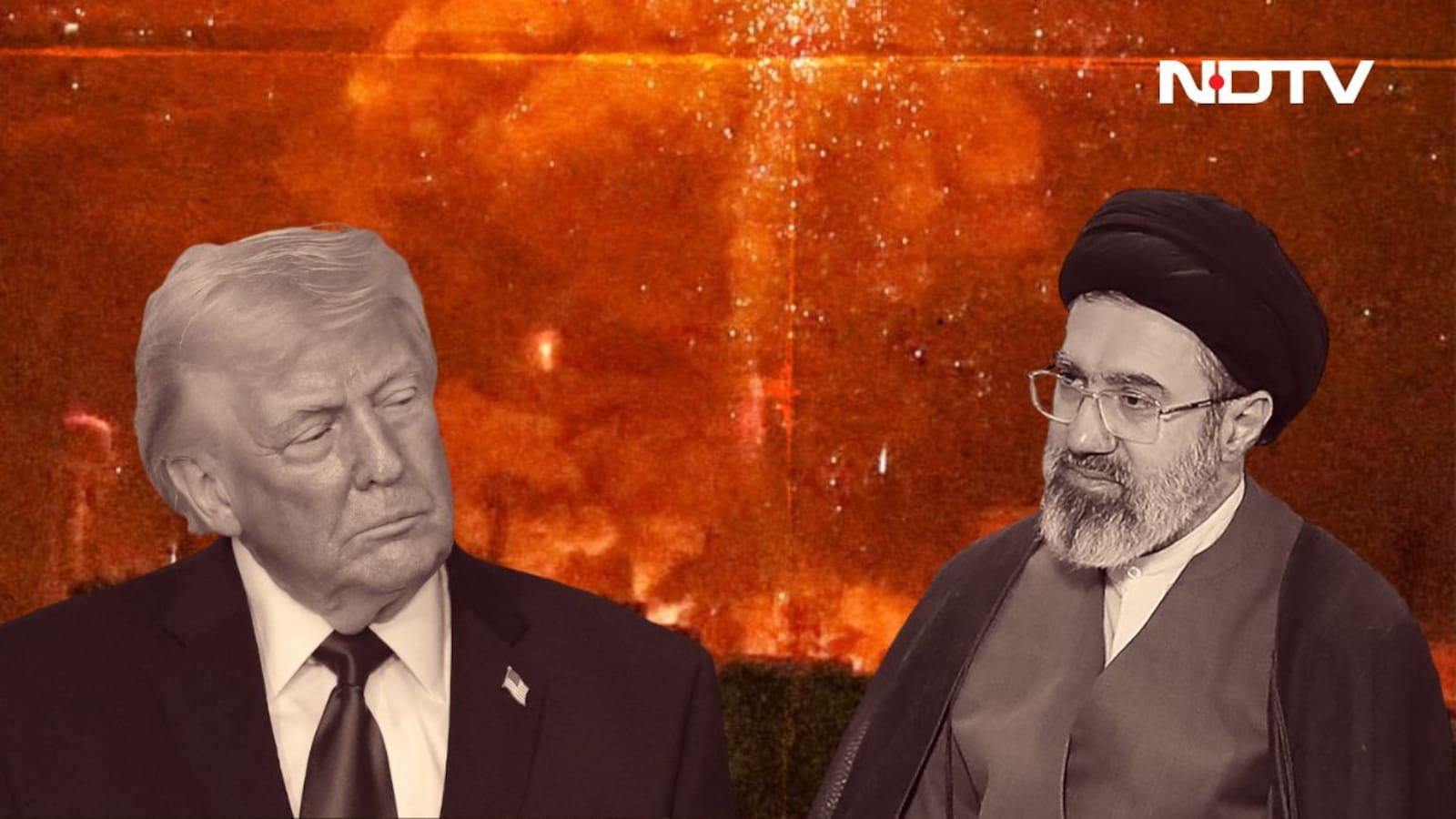
US-Iran Strikes Escalate as Tehran Warns of New Strategy
Trump Warns of Fresh Iran Strike After Heavy Attack

Trump Says US Could Attack Iran Again at Will

U.S. Treasury Yields Ease as Jobs Data Misses Expectations

Iran Seizes Fuel-Smuggling Vessel in Gulf, Arrests 11 Crew