

3 weeks ago
Balochistan's Crisis of Trust: HRCP Report Details Systemic Repression

Balochistan is the biggest province in a country called Pakistan.
Long ago, in 1948, it became part of Pakistan, and many Baloch people say they have not been treated fairly since then.
A group called the Human Rights Commission of Pakistan wrote a report saying that people in Balochistan are worried because their human rights are being taken away.
Human rights are the basic freedoms and fair treatment that everyone should have.
Balochistan has lots of valuable things like gas, gold, copper, and oil, but it is still the poorest province in the country.
Many Baloch people feel that their resources are being taken without giving them a fair share.
When people ask for their rights or hold peaceful protests, some of them have been arrested or hurt.
A woman named Mahrang Baloch, who led protests, was sentenced to prison for a long time.
The report says the government should listen to the people of Balochistan and treat them as equal citizens.

The Human Rights Commission of Pakistan's 2025 report 'Balochistan's Crisis of Trust' documents an 'escalating erosion of human rights and civic space in Balochistan'.
Balochistan, Pakistan's largest province covering 43.6 percent of national territory, is the poorest province with a 47 percent poverty rate versus the national rate of 28.9 percent in 2024-25.
In June, the Human Rights Council of Balochistan recorded 63 enforced disappearances and 77 killings in the province.
BYC head Mahrang Baloch was sentenced in June to two life terms by an anti-terrorism court, after being arrested in March 2025.
The HRCP says the Baloch have faced systemic exclusion since the province's 1948 annexation, including state crackdowns on the BYC's December 2023 march to Islamabad.
- Who
- Baloch people in Pakistan, along with human rights groups including the Human Rights Commission of Pakistan (HRCP) and the Baloch Yakjehti Committee (BYC), and political leaders such as Mahrang Baloch and Akhtar Mengal.
- What
- A human rights report documents systemic repression, enforced disappearances, extrajudicial killings, and economic exclusion of the Baloch people in Balochistan.
- Where
- Balochistan province, Pakistan, including Gwadar, Quetta, and the outskirts of Islamabad.
- When
- Ongoing since the province's annexation in 1948; the HRCP annual report was published in 2025, and June data recorded 63 disappearances and 77 killings.
- Why
- Balochistan's natural resources are exploited while residents say their political and economic rights are denied, and protests demanding rights have been met with state repression.
Key facts
- Report
- Balochistan's Crisis of Trust (HRCP 2025 annual report)
- Province size
- 43.6% of Pakistan's total area; longest coastline at 770 km (70% of Pakistan's coastline)
- Poverty rate
- 47% in Balochistan vs 28.9% national (2024-25)
- June human rights record
- 63 enforced disappearances and 77 killings recorded
- Key natural resources
- Gas, gold, copper, oil, precious stones, chromite
- Mahrang Baloch sentence
- Two life terms by an anti-terrorism court (June)
- Annexation date
- 1948, after Balochistan declared independence on August 11, 1947
Quotes

Mohammed Hanif
renowned Pakistani novelist
“Balochistan is considered a remote part of Pakistan not just geographically but in our imagination as well”
 thehansindia.com
Sources
Related news

United Baloch Army Claims Responsibility for Bridge Blast in Pakistan

Pakistani forces forcibly disappear four civilians, kill another in Balochistan

Pakistani forces accused of disappearing father, daughter in Balochistan

Rights Group Reports Five More Forced Disappearances in Balochistan

Rights body alleges Pakistani forces extrajudicially killed five in Balochistan
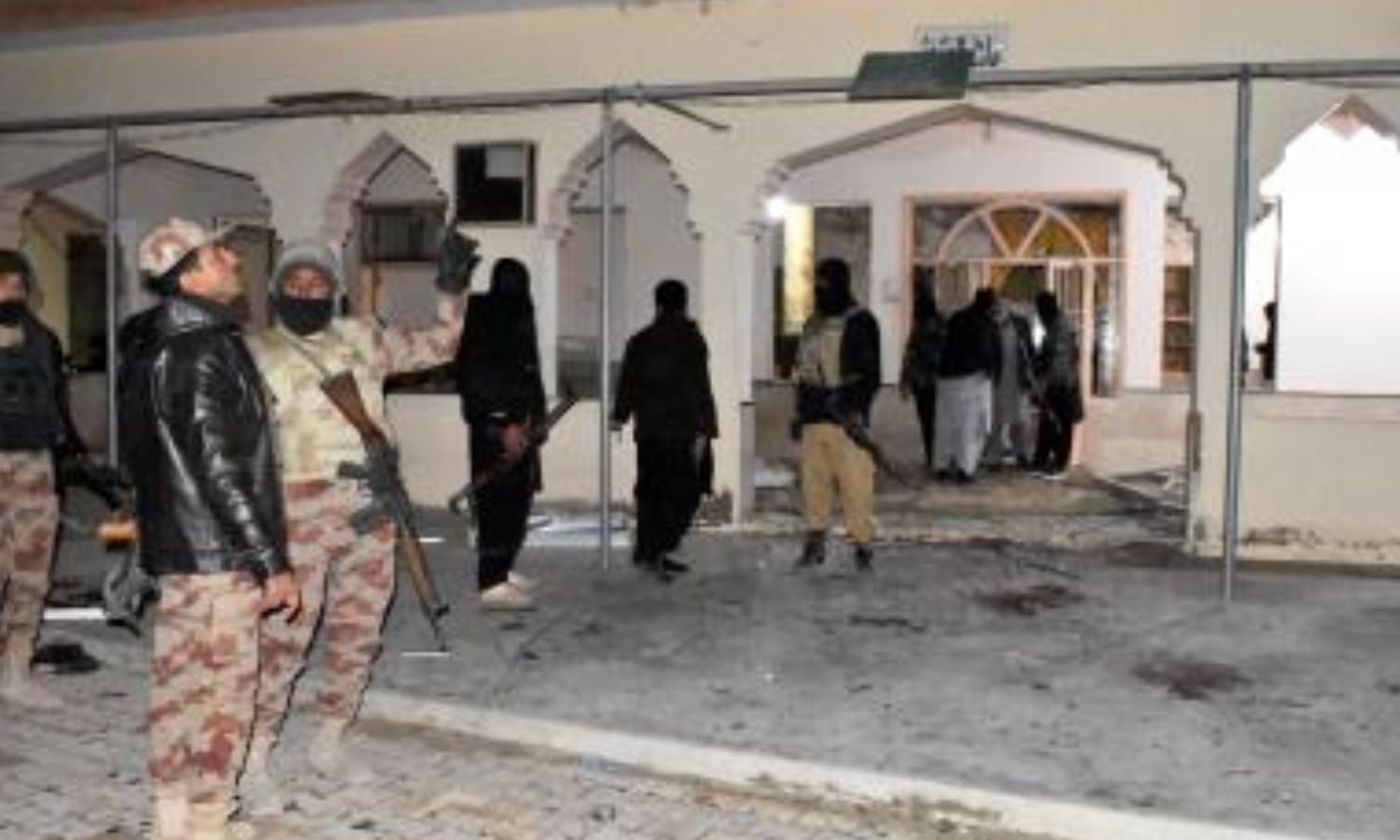
Pakistan’s Dialogue Offer Exposes Limits Of Balochistan Repression
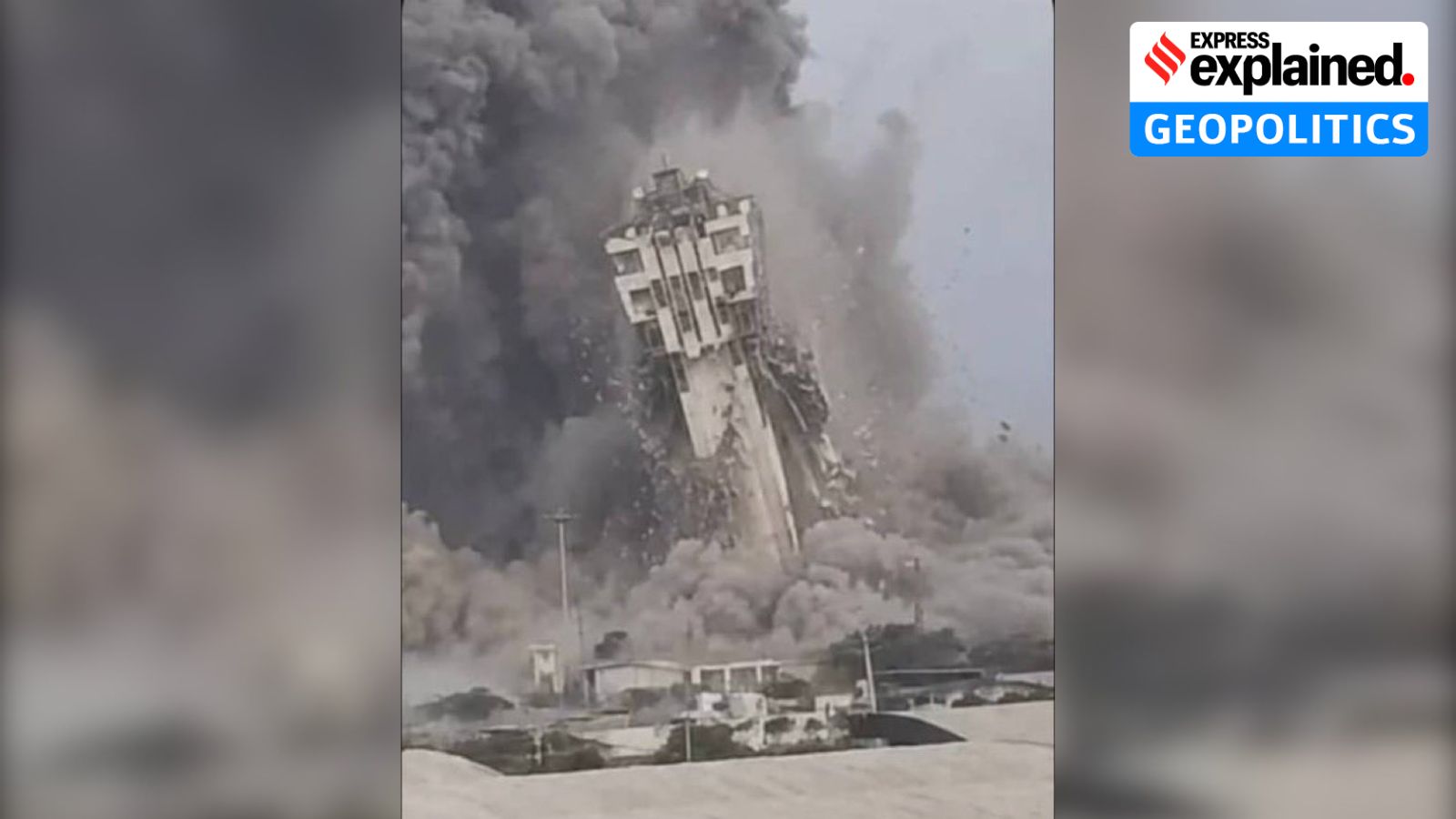
US-Iran Conflict Threatens India's Chabahar Port Plans
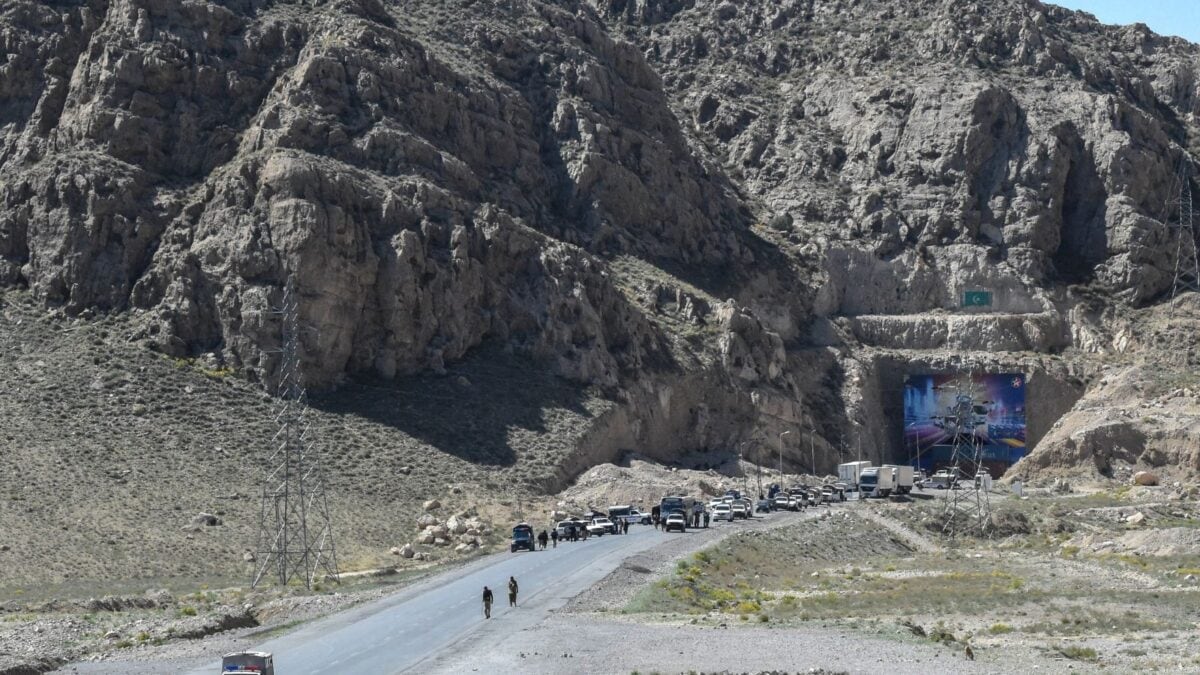
Balochistan's 1948 Annexation and India Ties
