9 hrs ago
UPI MDR Return Raises Cash, Competition and Policy Concerns
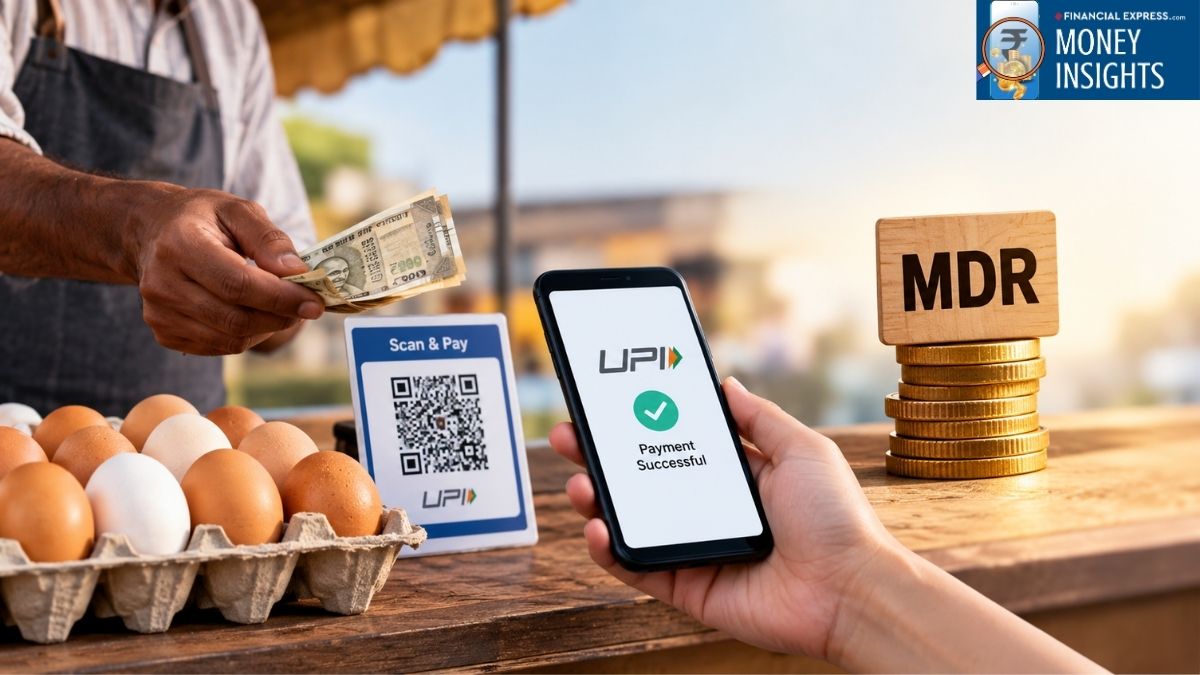
UPI lets people pay digitally, but running this system costs money.
For several years, merchants generally did not pay a fee for UPI transactions.
From October 15, many UPI payments above ₹2,000 will have a fee called MDR.
Some industries will receive different rates.
Small businesses may worry because their profits can be very small.
Some merchants might ask customers to pay in cash if cash seems easier.
The author says UPI fees can be reasonable if they help maintain the payment system.
However, the author also says the government should explain the rules clearly and give businesses time to adjust.

From October 15, UPI transactions above ₹2,000 will generally carry a 0.4% Merchant Discount Rate, reversing the zero-MDR policy introduced in January 2020.
Fuel and agricultural inputs will face a flat ₹5 charge, while capital-market transactions will have a 0.02% rate and an overall ₹300 cap.
The change could encourage some small merchants to prefer cash, especially when their suppliers demand cash payments.
The author supports paying for UPI infrastructure but argues that too many special rates could create classification and compliance problems.
The article calls for clearer communication, consultation, pilot projects and greater competition among payment providers.
- Who
- Merchants, wholesalers, banks, payment companies, technology providers and the government are affected by the UPI MDR change.
- What
- A new Merchant Discount Rate will apply to many UPI transactions above ₹2,000, ending the broad zero-MDR arrangement.
- Where
- India’s UPI payment system and the businesses that use it.
- When
- The new rates are scheduled to apply from October 15; UPI’s zero-MDR policy began in January 2020.
- Why
- The stated rationale is to help cover the cost of operating UPI infrastructure and create a more sustainable payment model.
Case for MDR and market competition
Concerns about MDR and implementation
Paying for payment infrastructure
Case for MDR and market competition
UPI infrastructure operated by banks, payment companies and technology providers has ongoing costs, so MDR could help create a sustainable economic model.
Concerns about MDR and implementation
The charge may burden businesses with thin margins and could prompt some merchants to return to cash.
How rates should be set
Case for MDR and market competition
A ceiling or reference rate, combined with competition among payment providers, could give merchants more choices and potentially reduce prices.
Concerns about MDR and implementation
Different rates and sector-specific exceptions could create classification disputes and additional compliance problems.
Government role in pricing
Case for MDR and market competition
Monitoring whether merchants pass the MDR to consumers could protect customers from an immediate surcharge.
Concerns about MDR and implementation
Businesses should decide whether to absorb, pass on, negotiate or accept the cost; government intervention may make it difficult to identify why prices change.
Policy implementation
Case for MDR and market competition
A planned transition can work if businesses understand the rules and have time to adapt.
Concerns about MDR and implementation
The article argues that late clarifications and repeated modifications create uncertainty and a cognitive cost for small businesses.
Key facts
- General MDR rate
- UPI transactions above ₹2,000 will attract a 0.4% MDR.
- Fuel and agricultural inputs
- These sectors will face a flat ₹5 charge.
- Capital-market transactions
- They will attract a 0.02% MDR.
- Transaction cap
- The overall MDR is capped at ₹300 per transaction.
- Previous policy
- UPI previously had a 0.30% MDR capped at ₹100, until the government abolished it in January 2020.
- Government monitoring
- Banks and payment aggregators have been asked to ensure merchants do not pass the MDR directly to consumers.
- International comparison
- The article cites merchant charges or fee structures for instant-payment systems in Malaysia, Indonesia, Brazil, the United States, Singapore and Europe.
Quotes
The egg vendor
A vendor whose payment practices are affected by the planned UPI MDR changes.
“I don’t want to go to the bank.”
 financialexpress.com
“After October 15, bring cash.”
financialexpress.com
Sources
Related news
UPI MDR Begins October 15, Testing Merchant Payment Choices

UPI MDR Begins October 15, Merchants Face Charges, Customers Don’t
India’s UPI MDR Plan Draws Warnings and Official Defense

UPI Charges Push Delhi Retailers Toward Cash Payments

Small Retailers Resist UPI MDR as Cash Payments Loom
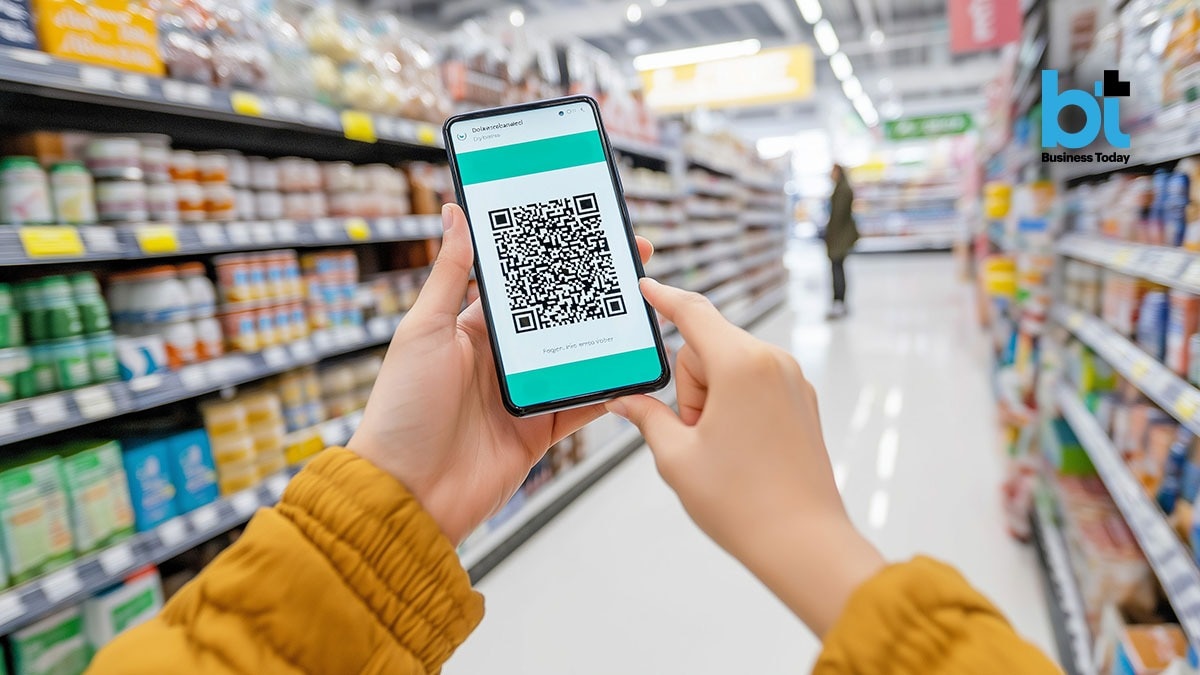
UPI MDR Raises Fears Small Shops Could Return to Cash