

2 weeks ago
Comedian Champions 'Post-Cockroach' Satire as India Cracks Down on Dissent
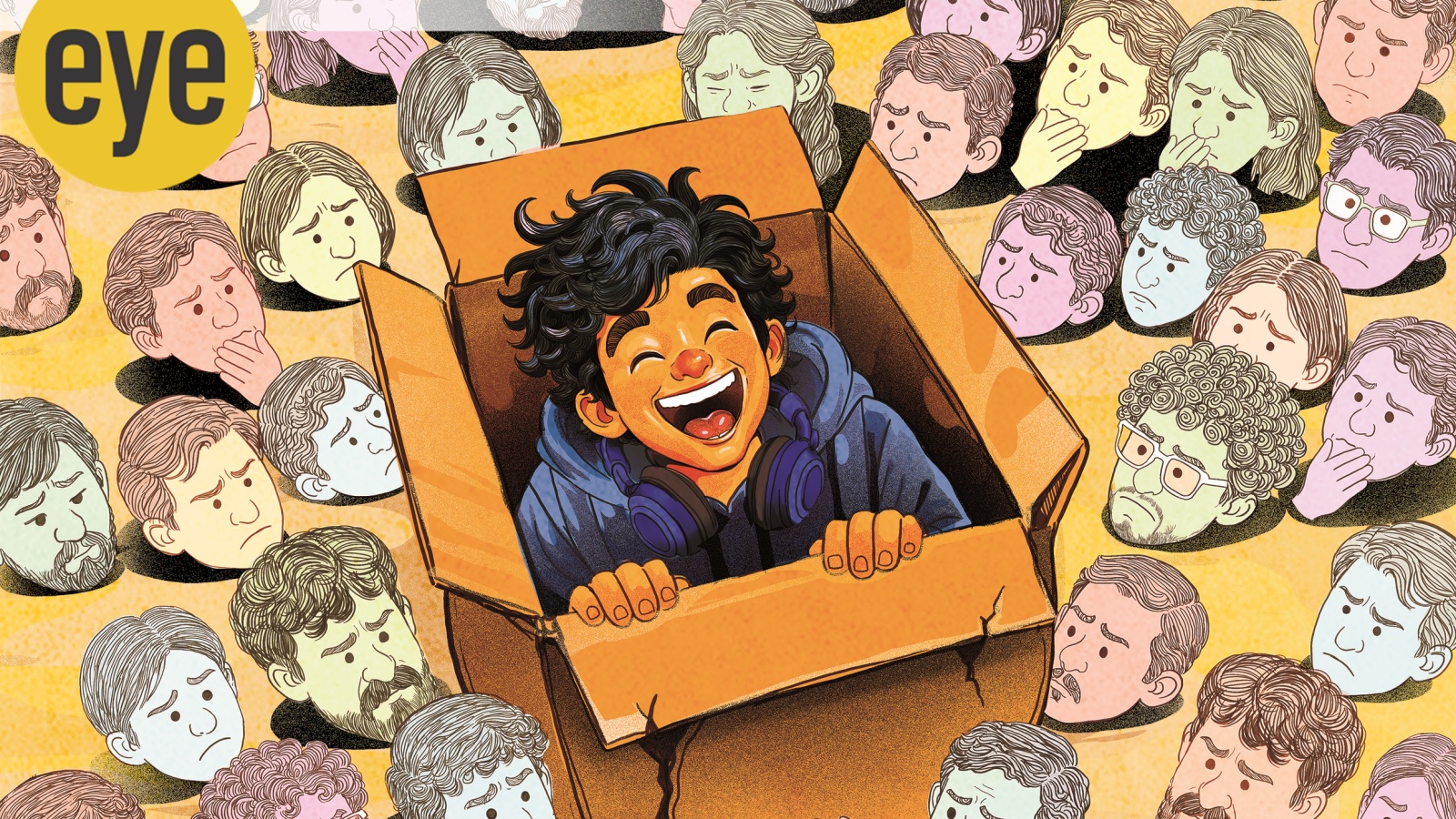
Laughing is something your body does even if you try to stop it.
Sometimes jokes are used to make fun of people who are very powerful, which is called 'punching up'.
In India in 2026, young people made funny videos and memes on their phones, and one of the funniest things was a cartoon cockroach.
Because so many people shared these jokes, an important government minister had to resign.
After that, many young people went to a big open place called Jantar Mantar to protest.
A comedian named Azeem Banatwalla wrote an article about all this.
He says jokes can tell the truth and help keep a country fair and free.
But after the protests, things got harder: some social media posts were blocked, and some comedians cancelled their shows because angry groups threatened them.
Banatwalla thinks comedians do a favour by making sure powerful people do their jobs, and he hopes laughter will keep finding a way through the cracks.

Indian stand-up comedian Azeem Banatwalla argues that satire — 'punching up' at the powerful — is essential to a healthy democracy.
In 2026, Gen-Z activists' memes and reels, driven by a cartoon cockroach, ridiculed a powerful Indian minister into resigning.
After last month's protests at Jantar Mantar, Banatwalla says the fallout has become a 'stealthy, surgical crackdown on dissent.'
Instagram is blocking posts deemed problematic, and some comedians are cancelling shows because fringe right-wing groups threaten them.
Banatwalla cites Hannah Gadsby's Netflix special 'Nanette' as proof that humour processes trauma, while touring his own show 'Generational.'
- Who
- Azeem Banatwalla, an Indian stand-up comedian and content creator; Gen-Z activists; fringe right-wing groups; Instagram.
- What
- Banatwalla's commentary on how satire and Gen-Z memes, led by a cartoon cockroach, fueled protests and forced a minister's resignation — and on the subsequent crackdown on comedians and dissent.
- Where
- India; the protests took place at Jantar Mantar.
- When
- 2026, in what Banatwalla calls the 'post-cockroach' era, shortly after last month's protests.
- Why
- Banatwalla argues healthy democracies thrive on criticism delivered through satire, and that satirists doing their jobs compel politicians to do theirs.
Satire as democratic freedom
Order and authority
Gen-Z satirical protests
Satire as democratic freedom
Gen-Z memes and reels driven by a cartoon cockroach are legitimate, effective democratic participation that ridiculed a powerful minister into resigning.
Order and authority
The resultant response — Instagram blocking posts and fringe right-wing groups threatening shows — treats such satire as problematic content that must be contained.
Value of comedians
Satire as democratic freedom
Satirists doing their jobs compel politicians to do theirs; comedians do the establishment a favour by keeping its occupants in check.
Order and authority
Comedians are derided as attention-seeking clowns trying to run down the saintly establishment to make a quick buck.
Stand-up at college events
Satire as democratic freedom
Students and faculty who favoured the show saw stand-up comedy as worthwhile expression worth hosting.
Order and authority
Other faculty members disagreed and cancelled the event, questioning whether stand-up comedy is a good idea at all.
Key facts
- Author
- Azeem Banatwalla, stand-up comedian and content creator
- Current tour
- 90-minute special 'Generational' across India
- Streaming platforms
- Amazon Prime and YouTube
- Protest location
- Jantar Mantar
- Protest timing
- Protests held last month in 2026, described as the 'post-cockroach' era
- Political fallout
- A powerful minister ridiculed into resignation
- Post-protest actions
- Instagram blocking posts; comedians cancelling shows; college comedy event cancelled
- Illustrations cited
- Hannah Gadsby's 'Nanette'; Dream11's sudden downfall in the online gaming industry
Sources
Related news

Gen Z Turns 'Cockroach' Insult Into a Viral Protest Movement
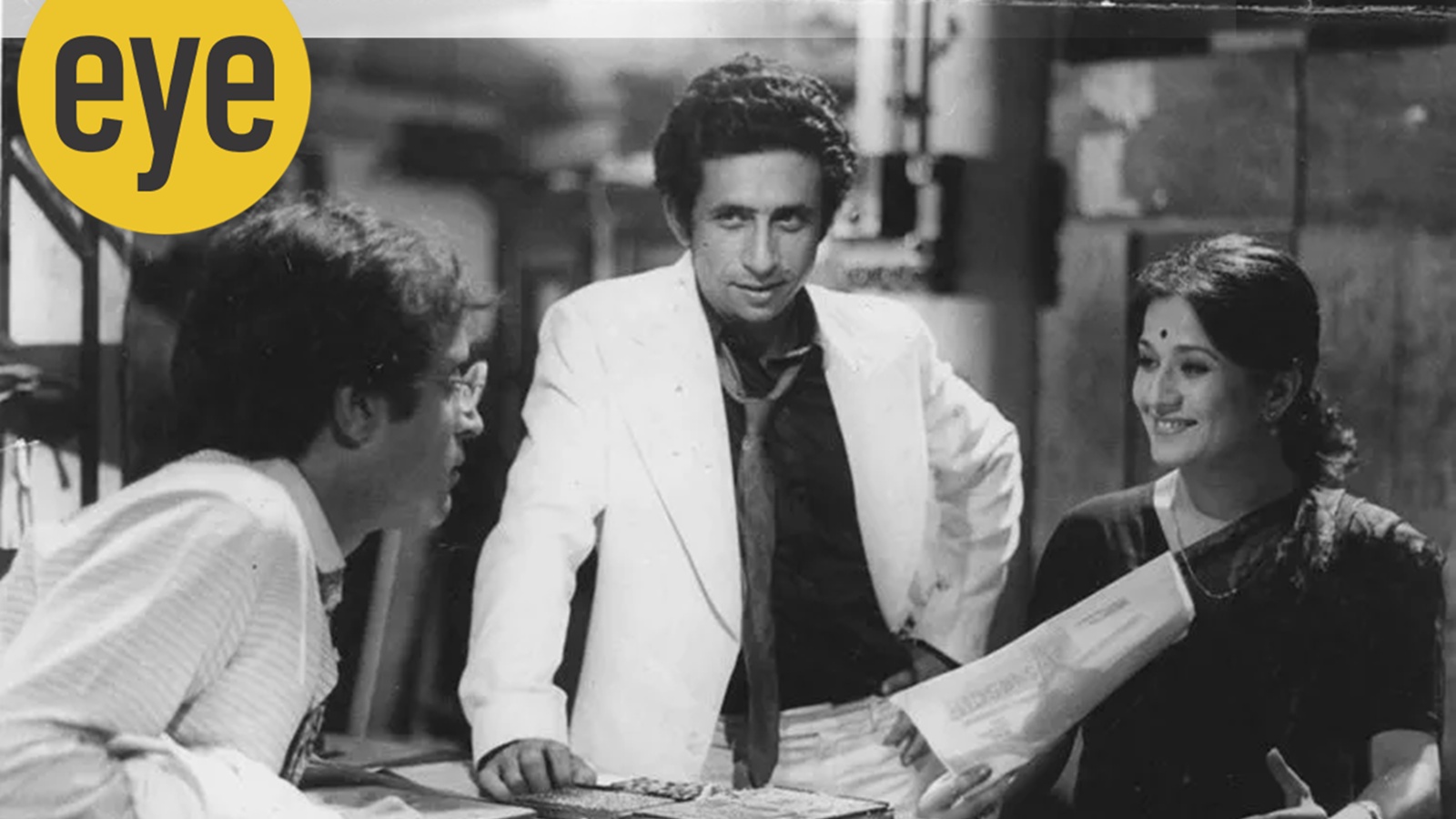
Indian cultural figures share favourite political satire works

Modi’s Meme-Age Politics Faces Youth Backlash and Labels

Tharoor Says India's Democracy Bent, Didn't Break After Protests
Dream11 Drops Prizes, Pivots Toward Global Sports Engagement

Don Bosco Matunga Clinch MSSA U16 Title Over AVM Juhu
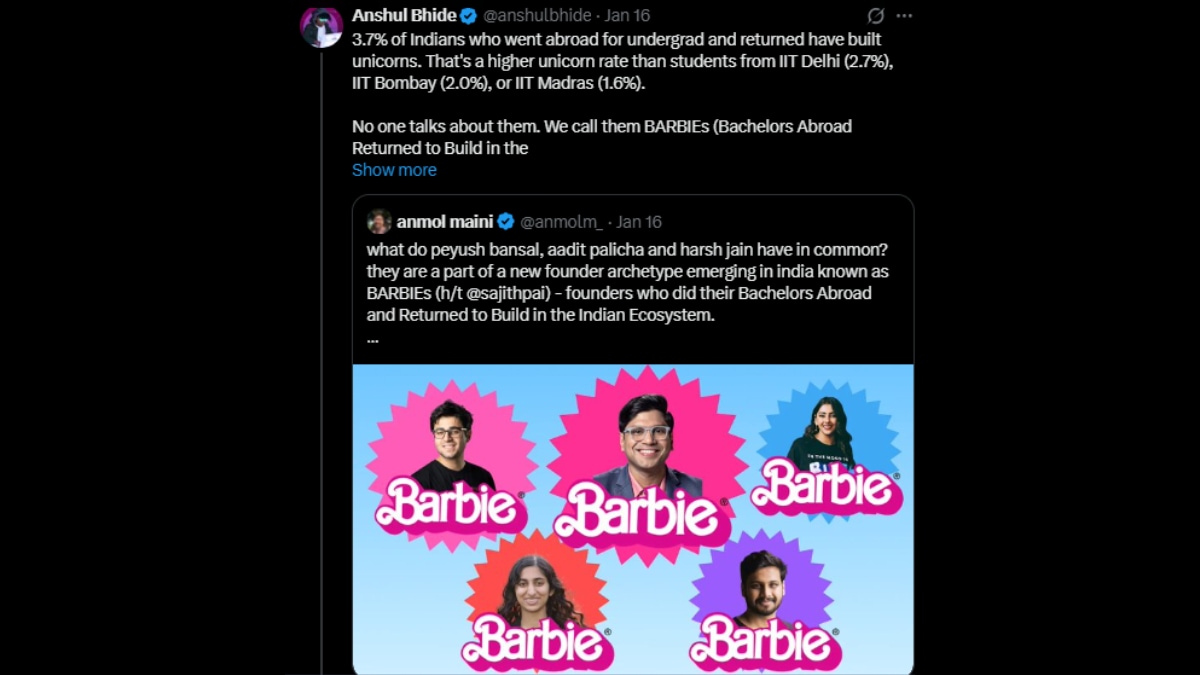
BARBIE Founders: Indian Unicorn Builders Educated Abroad

SVIS Scores 317/5 in Giles Shield U-14 Semifinal
