2 hrs ago
How Marathi Theatre Built A Legacy Of Innovation
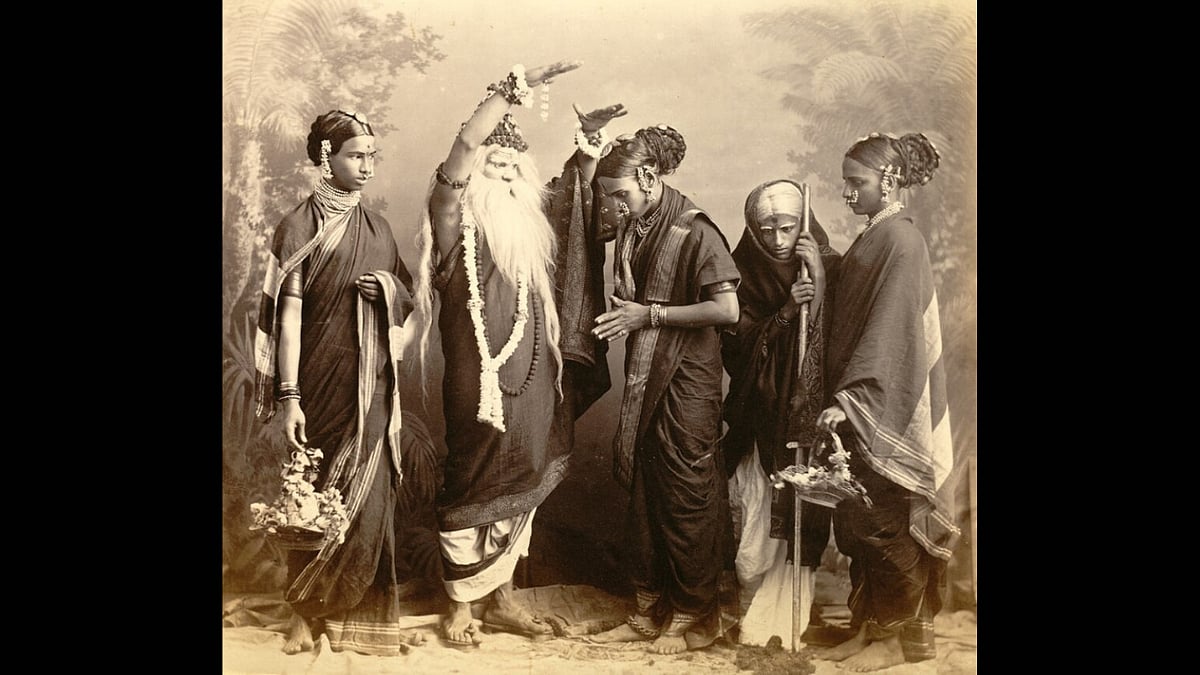
Marathi theatre is a long-standing tradition of plays, music and performances from Maharashtra.
Its older roots include folk forms such as Dashavatara, Gondhal and Tamasha.
In 1843, Vishnudas Bhave staged Sita Swayamvar, helping begin modern Marathi theatre.
In 1880, Annasaheb Kirloskar created Shakuntal and strengthened musical theatre.
Marathi plays also spoke about unfair treatment, child marriage and caste discrimination.
Some plays used stories from mythology to criticize British rule.
After cinema became more popular, theatre later returned through experimental and socially focused performances.
In recent years, more people have returned to live theatre, encouraging new productions and new ideas.

Marathi theatre’s roots are linked to ancient Maharashtra traditions, including Dashavatara, Gondhal and Tamasha.
Vishnudas Bhave’s 1843 staging of Sita Swayamvar is described as the beginning of modern Marathi theatre.
Annasaheb Kirloskar’s 1880 musical Shakuntal helped establish the influential Sangeet Natak tradition.
Marathi plays addressed social reform and resistance to British rule, including Khadilkar’s banned 1907 play Kichak Vadh.
After a post-independence decline, experimental theatre and a post-pandemic audience resurgence renewed Marathi theatre’s influence.
- Who
- Marathi theatre artists, playwrights, performers and audiences, including Vishnudas Bhave, Annasaheb Kirloskar and Vijay Tendulkar.
- What
- The article traces Marathi theatre’s development from traditional performance forms to modern, experimental and commercially successful productions.
- Where
- The tradition developed in Maharashtra, especially in Mumbai, Pune, Sangli and other circuits including Thane, Kolhapur, Nashik and Satara.
- When
- Its history is discussed from ancient times through the 1843 modern beginning, the late 19th and 20th centuries, and the post-pandemic revival of recent years.
- Why
- Marathi theatre endured by continually adapting its forms and addressing social reform, nationalism, workers’ issues, discrimination and contemporary life.
Key facts
- Modern beginning
- Vishnudas Bhave staged Sita Swayamvar in Sangli in 1843.
- Musical theatre milestone
- Annasaheb Kirloskar produced Shakuntal in 1880, helping establish Sangeet Natak.
- Notable resistance play
- Krishnaji Prabhakar Khadilkar’s Kichak Vadh, written in 1907, was banned by British authorities in 1910 and reportedly unbanned in 1926.
- Experimental theatre
- Mumbai and Pune became important centres of experimental Marathi theatre after independence, particularly during the 1960s and 1970s.
- Workers’ theatre
- The Kaamgaar Rangabhoomi movement of the 1980s focused on factory workers and trade-union issues.
- Recent revival
- Theatre attendance increased in the years after the COVID-19 pandemic, with performances expanding across major centres and smaller towns.
Quotes
Shrikant Kanta Thakorbhai
A Marathi actor from Satara discussing theatre’s influence on performers and commercial productions.
“Marathi theatre over the past century has had quite a journey. With multiple genres, the art form has made the audience both comfortable and uncomfortable in the same theatre seat. It owes a great deal to the Marathi audience, as they turn up in large numbers and demand better productions every time.”
 freepressjournal.in
“There is no doubt that Marathi theatre is the backbone and foundation stone for many performing artists. Today, the themes in commercial theatre are also a result of the various experiments that took place on the experimental stage.”
freepressjournal.in
Sources
Related news

Maharashtra Plans More Theatres and Film Cities for Marathi Cinema

From Gondhal to Hip-Hop: Maharashtra's Protest Music Legacy
Hindotsav 2026 Explores Krishna Through Modern Literature in Pune
Bohurupee Revives Kinu Kaharer Thetar in Centennial Tribute

META 2027 Opens Entries for 22nd Mahindra Theatre Awards
Guru Rattiah Revives Kuchipudi’s Nearly Lost Theatrical Tradition
Pune Resident Faces Attack After Challenging Festival Noise

Family Grows a Living Ganesh for Sustainable Chaturthi Celebrations

Two Ganesh Idols Fall During Maharashtra Processions

Readers Honor Solomon Pappayya and Debate Public Concerns