

1 hr ago
Family Grows a Living Ganesh for Sustainable Chaturthi Celebrations

The Marathe family celebrates Ganesh Chaturthi in a different way.
They draw Ganesha’s shape in mud and place wheat seeds along the lines.
The seeds receive water and sunlight and grow into green shoots.
After a few days, the shoots look like a green Ganesha.
The family prays, sings aarti and shares festive foods just as they did before.
They do not put the idol in water at the end.
Instead, they immerse a supari and eat the wheatgrass as prasad.
They believe festivals can remain joyful while creating less waste.

The Marathe family in Kalyan creates Ganesha’s form using mud, wheat seeds, sunlight and water.
Wheat shoots gradually fill the outline, reaching about a foot by the fifth day.
The family began the Vanaspati Ganesh tradition in 2020 after concerns about idol waste and material disposal.
Instead of immersing an idol, they immerse a supari and harvest the wheatgrass as prasad.
The family also uses cardboard and paper decorations instead of thermocol to reduce waste.
- Who
- Pratiksha Marathe and her parents, along with their relatives, neighbours and friends.
- What
- The family celebrates Ganesh Chaturthi with a Vanaspati Ganesh made from wheatgrass growing through a mud outline.
- Where
- The celebration takes place at the Marathe family home in Kalyan, Maharashtra.
- When
- The family has celebrated at home for 31 years; it adopted the wheat-seed tradition in 2020, and the wheatgrass develops over about five days.
- Why
- The family wanted to reduce the environmental impact of plaster, clay and thermocol idols and create a celebration in which little is left behind.
Key facts
- Family tradition
- This year marks the Marathe family’s 31st year of celebrating Ganesh Chaturthi at home.
- Material used
- The growing idol uses sifted mud, wheat seeds, water and sunlight.
- Growth period
- The wheatgrass can grow to around one foot by the fifth day.
- Prayer ritual
- The family recites the Gayatri Mantra 12 times while watering the seeds.
- Visarjan alternative
- A supari is immersed symbolically instead of immersing an idol.
- After the festival
- The wheatgrass is harvested and eaten as prasad, while the mud is reused or added to house plants.
- Decorations
- The family uses cardboard flowers and paper-based decorations instead of thermocol.
Quotes
Pratiksha Marathe
Member of the Marathe family in Kalyan who describes their Vanaspati Ganesh tradition.
“By the next day, tiny sprouts begin pushing through the mud. Soon, they turn green and begin growing like blades of grass”
 thebetterindia.com
“Festivals are important. They give a sense of purpose as a community.”
thebetterindia.com
Sources
Related news
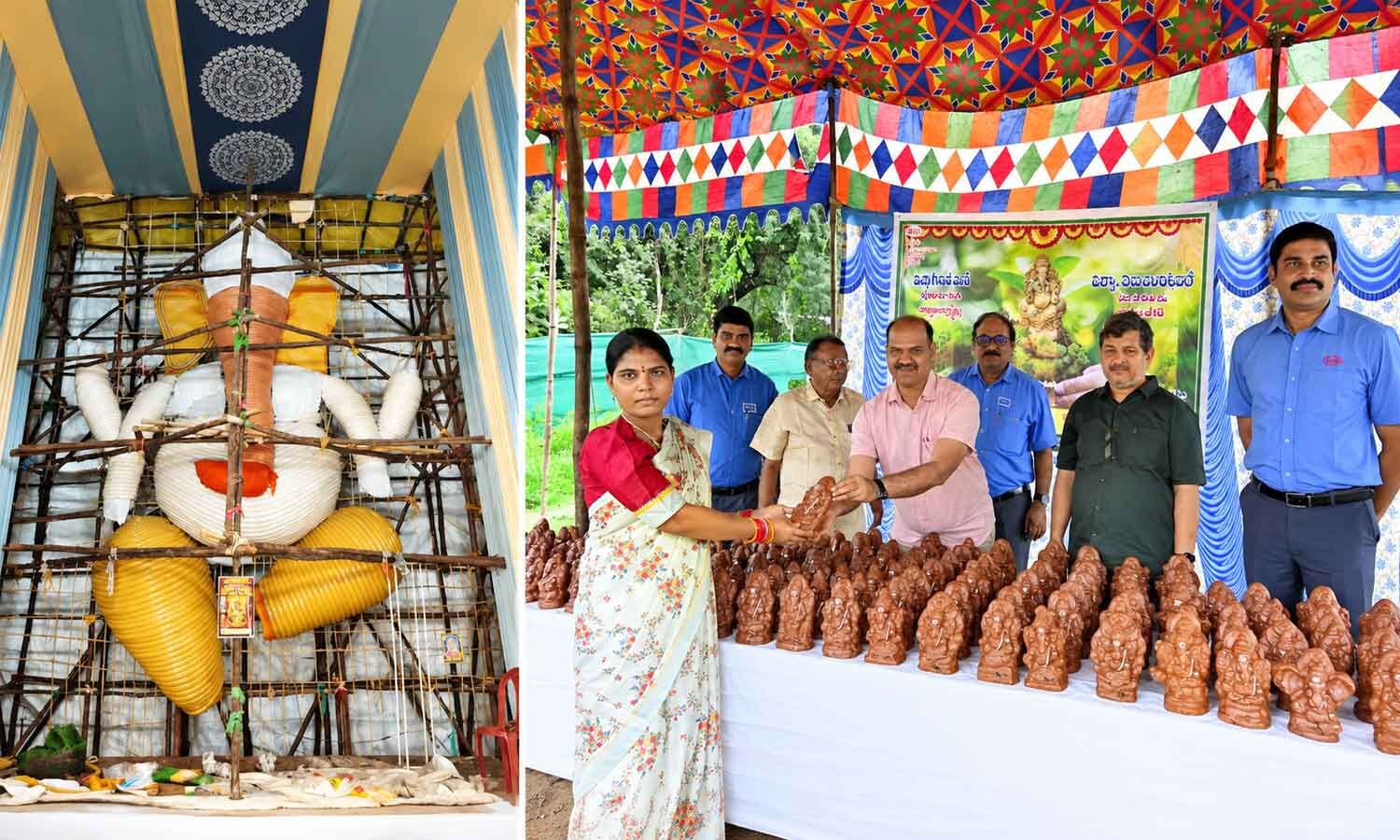
Visakhapatnam Communities Prepare Eco-Friendly Ganesh Chaturthi Festival Celebrations
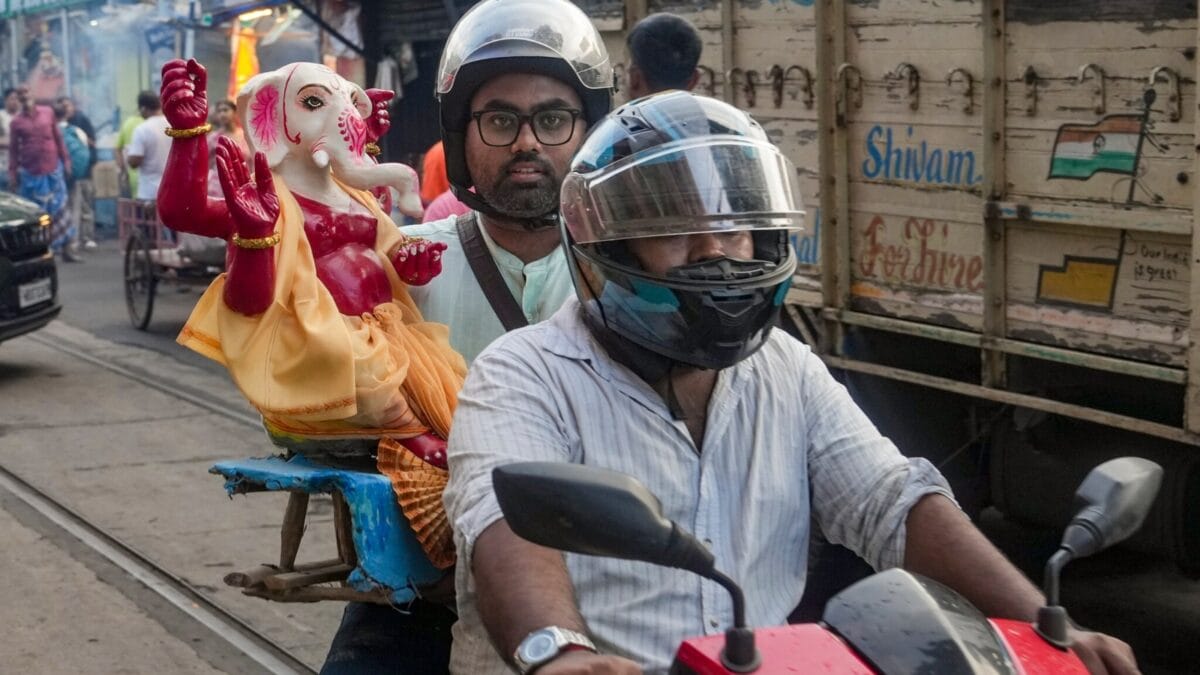
Ganesh Chaturthi 2026: Sthapana Dates, Muhurat and Puja Guide
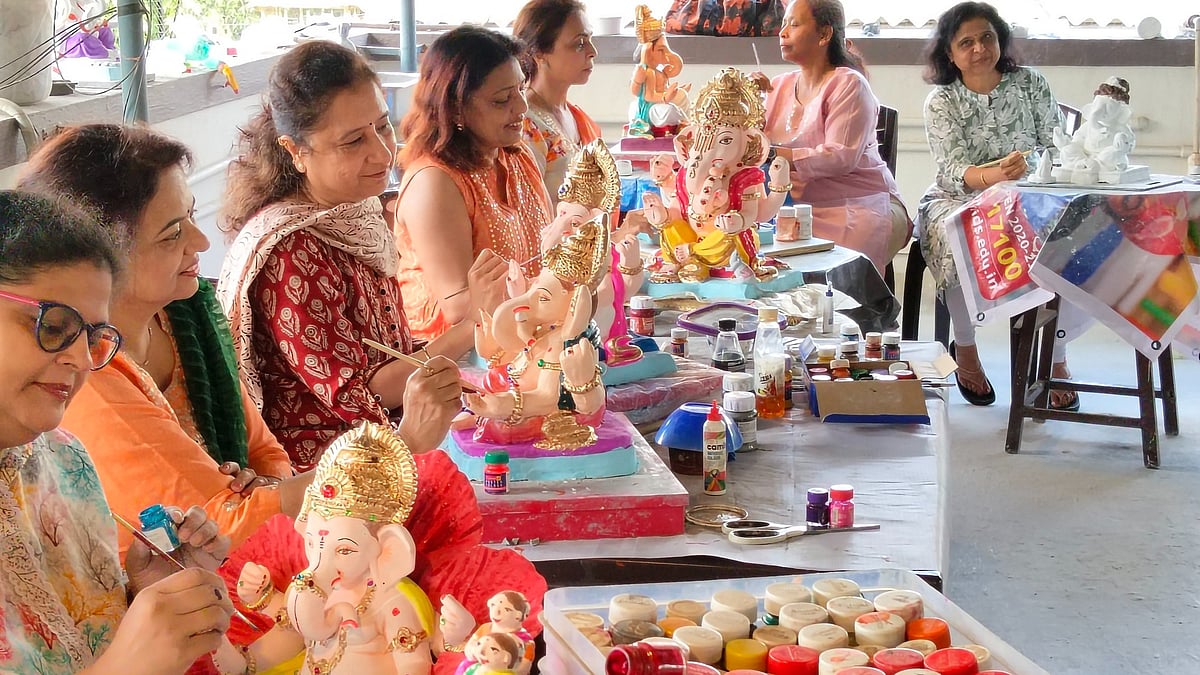
Thane Women Craft Eco-Friendly Ganesha Idols Through Community Initiative
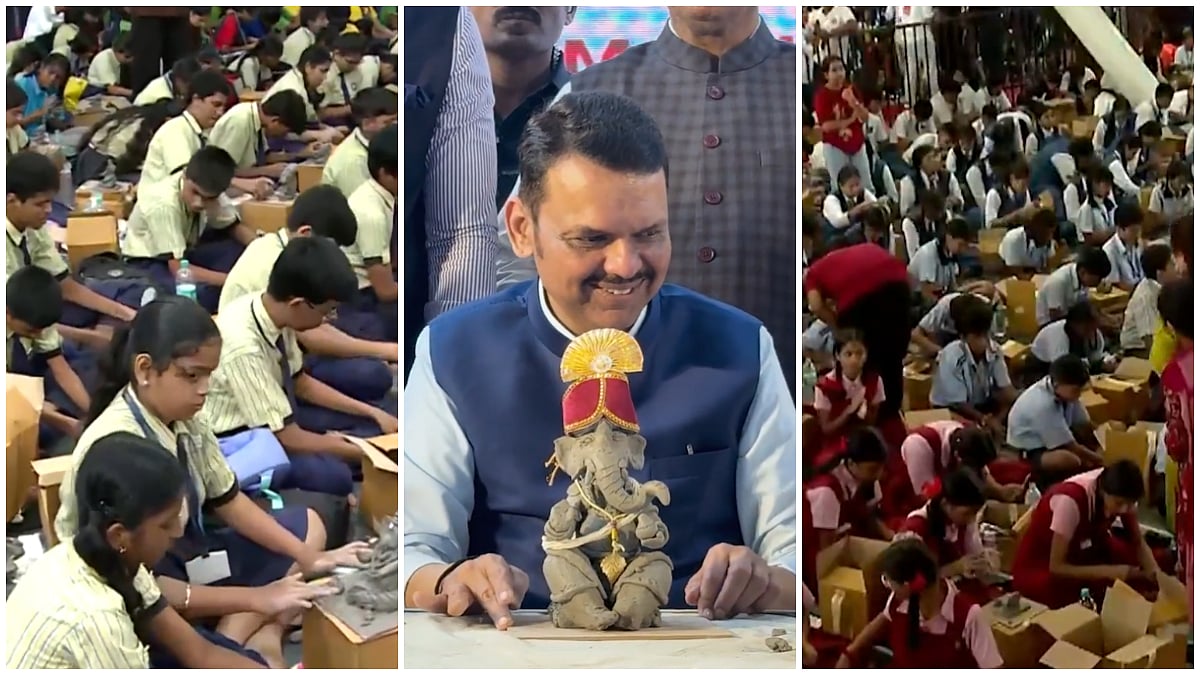
10,000 Students Set Guinness Record With Eco-Friendly Ganesh Idols
Youth Promotes Clay Ganesha Idols for Greener Celebrations

Flower-Made Ganpati Idol From Mumbai Pandals Wins Hearts
Ganesh Chaturthi 2026 Wishes Celebrate Joy and New Beginnings
Why Modak Is Considered Lord Ganesha’s Favourite Sweet

Clay Ganeshas Gain Momentum Ahead of Eco-Friendly Ganesh Chaturthi
