2 weeks ago
From Gondhal to Hip-Hop: Maharashtra's Protest Music Legacy

Imagine using songs to tell people about things that are not fair.
That is what artists in Maharashtra, a state in India, have done for hundreds of years.
Very long ago, they sang special songs called Gondhal and Bharud.
Later, great thinkers like Phule and Ambedkar used songs to teach people about fairness and equal rights.
These singers were called Shahirs.
As time passed, the music changed.
Today, young artists rap about problems like unemployment, casteism, and protecting forests.
Rap is just a new way to sing about the same old issues.
Even during the COVID-19 pandemic, artists sang folk songs to tell people how to stay healthy.
So whether it is an old folk tune or a new rap beat, music helps people raise their voice.

Maharashtra's protest music has evolved from medieval folk forms like Gondhal and Bharud to modern multilingual rap and hip-hop, adapting its delivery while keeping dissent at its core.
The Shahiri tradition, driven by Satyoshodhaki Jalsas and Lokshahirs, carried Mahatma Jyotirao Phule's anti-caste philosophy and Dr. B.R. Ambedkar's vision of emancipation through song.
During the COVID-19 pandemic, artists adapted Powada, Gondhal, Bharud, and Lavani to communicate public health directives, showing folk media's adaptability to modern crises.
The 2018–2019 'Gully Boy era' brought mainstream exposure to Mumbai's hip-hop crews such as 7Bantaiz, Dogz Music, and Swadesi, propelling regional street poetry into national prominence.
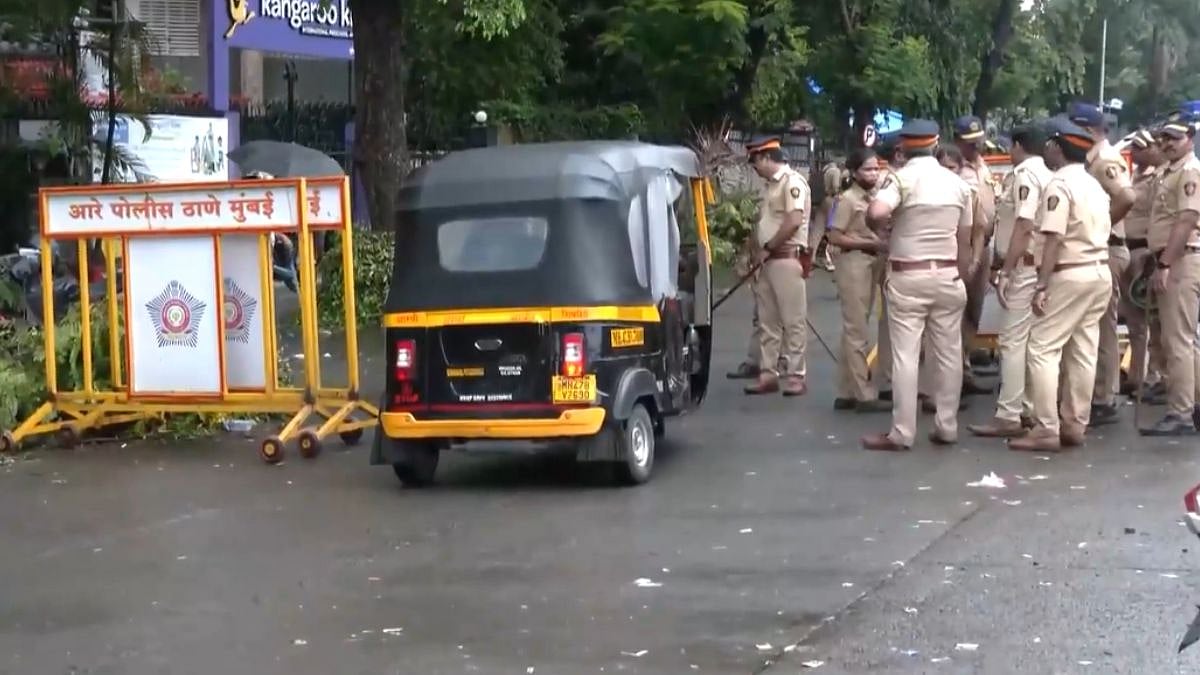
Swadesi's 'The Warli Revolt,' created with Warli tribal activist Prakash Bhoir during the Aarey Forest conservation movement, fused Indian classical music, regional hip-hop, and traditional Warli folk instruments.
- Who
- Artists, activists, and cultural figures in Maharashtra, including balladeer Sambhaji Bhagat, educator and performer Abhirup Kadam, and veteran cultural activist Sunil Kadam.
- What
- The evolution of Maharashtra's protest music from traditional folk forms such as Gondhal, Bharud, and Shahiri to modern multilingual rap and folk-hip-hop fusion used for social change.
- Where
- Maharashtra, including Mumbai, the chawls of Pune, the narrow alleys of Dharavi, and the Aarey Forest during its conservation movement.
- When
- Across centuries, from medieval saint-poets through the 19th–20th century anti-caste movements, the 1980s–1990s urban crises, and up to the present digital era; the feature marks the FPJ 98th Anniversary.
- Why
- To give marginalized communities a voice against cultural hegemony and power imbalances, since 'a voice cannot be shot—only a body can,' and to mobilize people on issues like worker rights, casteism, communal tensions, and environmental justice.
Key facts
- Coverage
- FPJ 98th Anniversary feature on Maharashtra's protest music
- Traditional forms
- Gondhal, Bharud, Powada, Shahiri, Lavani, Tamasha
- Modern forms
- Multilingual conscious rap, hip-hop, folk-hip-hop fusion
- Key historical figures
- Mahatma Jyotirao Phule, Bhimrao Kardak, Dr. B.R. Ambedkar
- Key contemporary artists
- Annabhau Sathe, Vilas Ghogre, Sunil Kadam, Sambhaji Bhagat, Abhirup Kadam
- Landmark moments
- 1980s Bombay textile mill strikes, post-1992 communal riots, COVID-19 pandemic, Aarey Forest conservation movement
- Notable crews and films
- B3 Rap Crew, Swadesi, 100 RBH, MC Dodo, The Dharavi Dream Project; films 'Court' and 'Gully Boy'
Quotes
Sambhaji Bhagat
Veteran balladeer, cultural activist, and music composer
“"My music stems directly from the masses and the centuries‑old oral traditions I was born into. However, I don't use folk forms verbatim... I examine the reality of an issue—for example, Gen Z movements."”
 freepressjournal.in
“"Progress often feels slow... Real social change is an incremental process. As the saying goes: ‘Revolution does not happen in a single day.’"”
freepressjournal.in
Sources
Related news
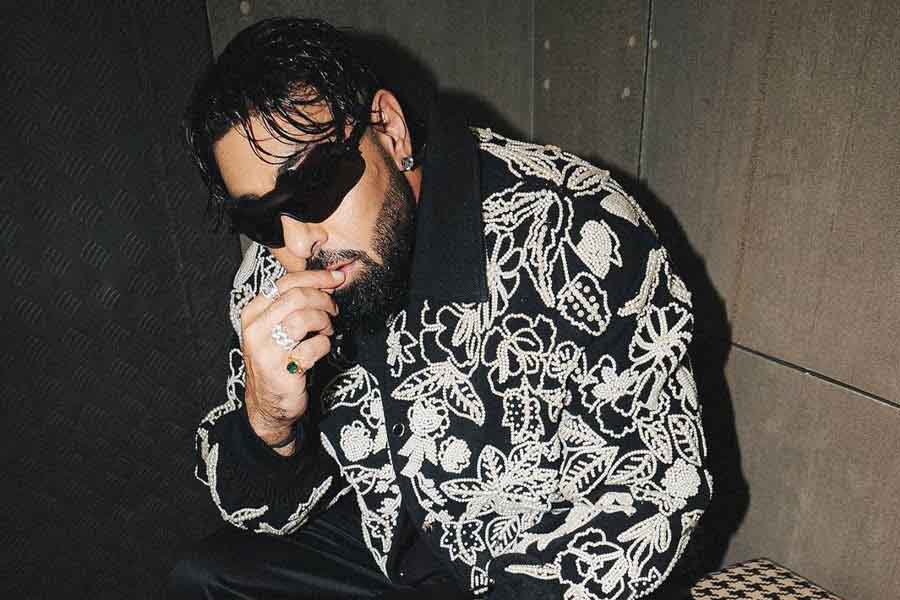
Badshah Releases His First Marathi Hip-Hop Track ‘Chimna’

Mumbai Cha Raja Showcases Maharashtra’s Saint Tradition Ahead Of 99th Festival
Pune DJ Ban Demand Sparks Ganeshotsav Noise Pollution Row
Cultural Calendar: Papon Concert, Gandhi Archive, Northeast Films and Kathak

Pune Youth Back Dhol-Tasha, Seek Limits on Loud DJs

Maharashtra's Culinary Heritage Finds New Place On Modern Plate
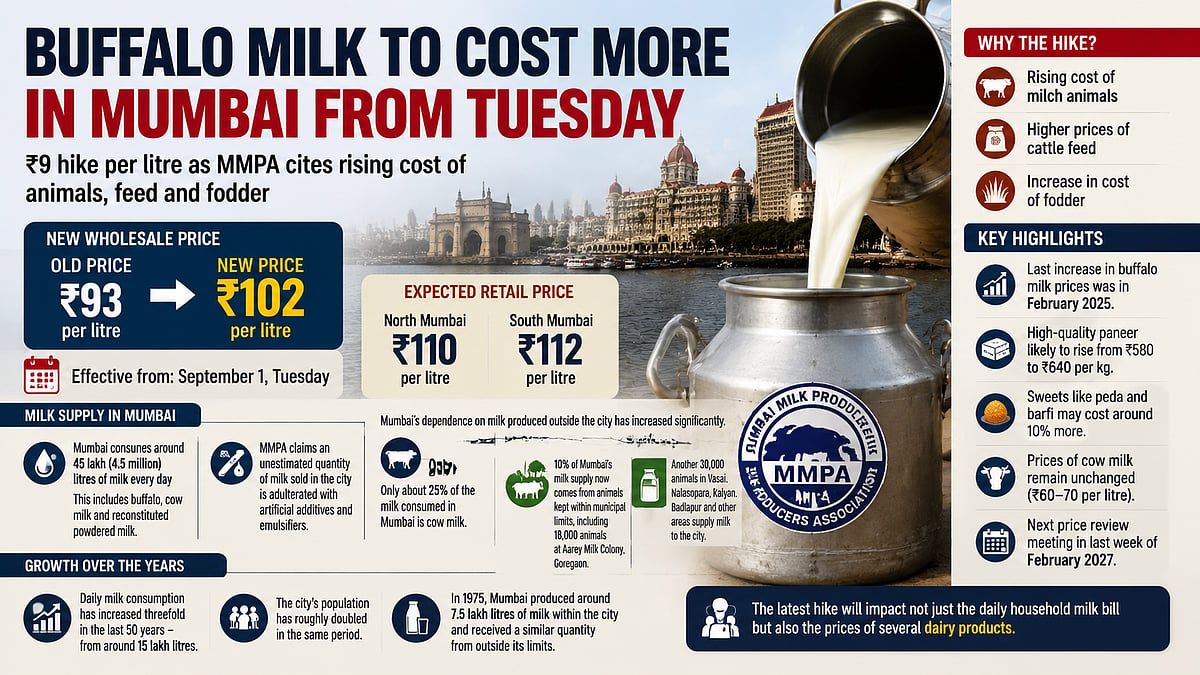
Mumbai Buffalo Milk Prices Rise ₹9, Retail Rates Near ₹112

Two Schoolboys Drown in Aarey Colony Water Tank

Adani Electricity distributes garments, boosts monsoon readiness in Mumbai
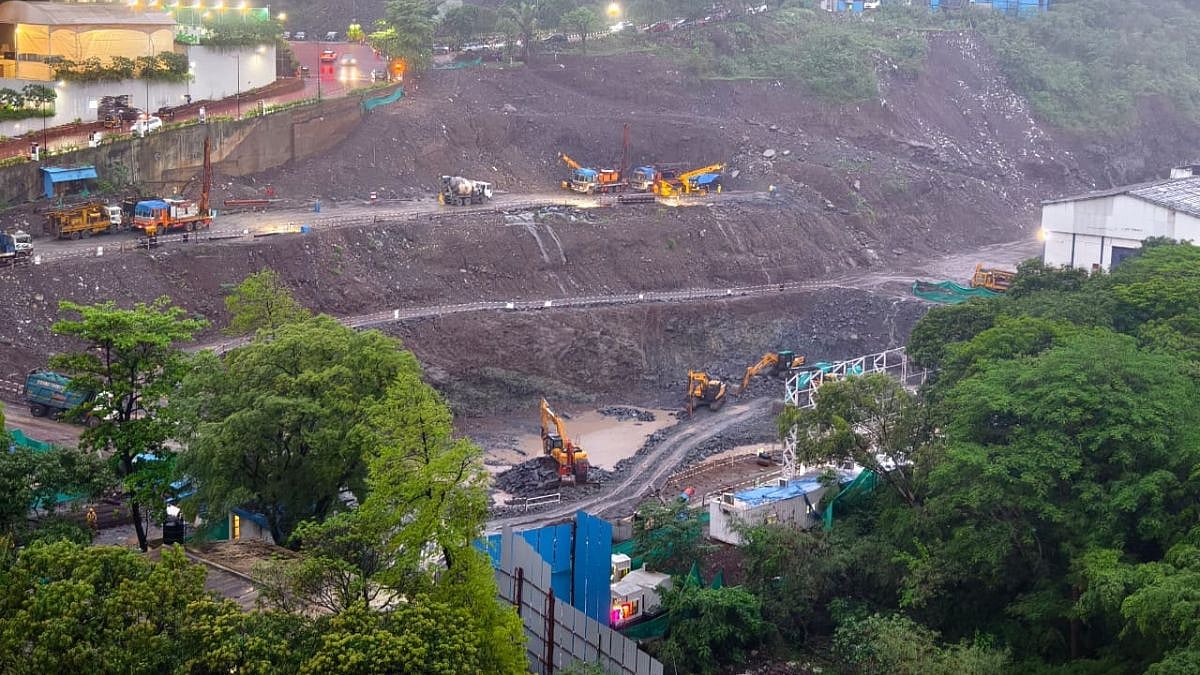
Powai GCC Project Faces Environmental Clearance Controversy