

2 days ago
Indian Cinema Moves From Caste Sympathy Toward Resistance
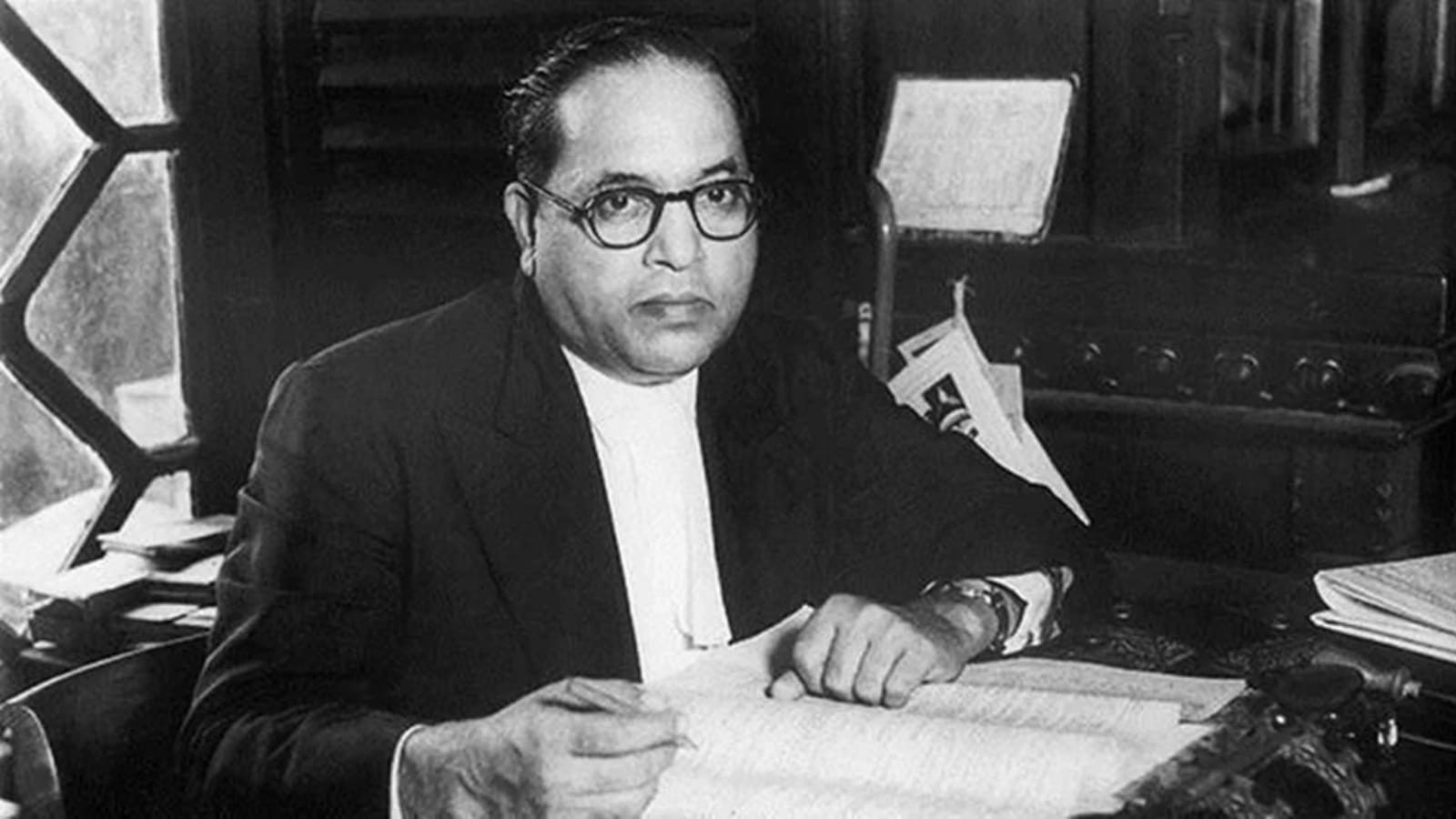
Indian films have discussed caste for almost 100 years.
Older films often showed oppressed people as victims waiting for a privileged person to help them.
Newer filmmakers are increasingly showing marginalised people leading, resisting and organising for themselves.
Tamil and Marathi cinema have been especially important in this change.
Jayanti 2 follows Payal Markam, a student who faces caste-based humiliation in an educational setting.
She does not stay silent or wait for someone else to save her.
The film discusses reservation, merit and discrimination in institutions.
It presents an Ambedkarite argument that equality requires both fair systems and the willingness to make those systems work.
The article describes this as a movement from sympathy toward assertion and agency.

Earlier caste films often depicted marginalised people as victims through a reformist or privileged gaze.
Tamil and Marathi filmmakers have increasingly portrayed Dalit characters as politically conscious people with agency and resistance.
Shailesh Narwade’s Jayanti 2 examines everyday caste discrimination within educational institutions.
The film questions the opposition between merit and reservation while addressing EWS reservation and SC-ST sub-categorisation.
Jayanti 2 reportedly received certification after months in the CBFC process and 22 cuts, while retaining its Ambedkarite politics.
- Who
- Shailesh Narwade’s Jayanti 2 and a broader group of Indian filmmakers, including Pa. Ranjith, Mari Selvaraj, Vetrimaaran and Nagraj Manjule.
- What
- A shift in Indian caste cinema from portraying marginalised communities mainly as victims toward depicting their agency, resistance and political voice.
- Where
- Indian cinema, particularly Tamil, Marathi and Hindi film industries; Jayanti 2 is set in an educational environment.
- When
- Across nearly a century of Indian cinema, with Jayanti 2 described as part of the current shift.
- Why
- Growing Ambedkarite influence, increased political consciousness among Dalit-Bahujan communities and the emergence of filmmakers from marginalised backgrounds are changing caste representation.
Reformist Representation
Assertive Representation
Who drives the story
Reformist Representation
Earlier films often relied on an upper-caste or privileged protagonist who recognised injustice and tried to correct it.
Assertive Representation
Newer films increasingly centre marginalised characters who resist, organise, remember and act politically themselves.
How caste is understood
Reformist Representation
Caste was often framed through social reform, poverty or individual prejudice, with solutions located in the conscience of privileged people.
Assertive Representation
Films such as Jayanti 2 present caste as a structural system affecting institutions, merit claims, reservation and access to resources.
Purpose of representation
Reformist Representation
The older approach could create empathy but often did not question who had the authority to represent oppressed communities.
Assertive Representation
The newer approach asks who is representing marginalised communities and seeks to portray their experiences through their own political perspective.
Key facts
- Film discussed
- Jayanti 2, directed by Shailesh Narwade
- Central character
- Payal Markam, who confronts caste-based humiliation
- Main setting
- An educational environment
- Issues examined
- Merit, reservation, EWS reservation, representation and SC-ST sub-categorisation
- Political framework
- The film is explicitly Ambedkarite
- Certification process
- The film reportedly remained in the CBFC process for months and received certification after 22 cuts
- Broader cinematic trend
- The article describes a movement from sympathy and victimhood toward assertion and agency
Sources
Related news
Telugu Stars Embrace Rooted Roles, Challenging Mainstream Caste Barriers

Babita Singh Reporting and Gandhari Offer Contrasting Female Justice Stories

Book Reimagines the Male Gaze Through Indian Cinema's Voices
Indian Villages Return to Stories Through OTT Series
Films Raise Awareness of Violence but Cannot End It
