3 days ago
Indian Villages Return to Stories Through OTT Series
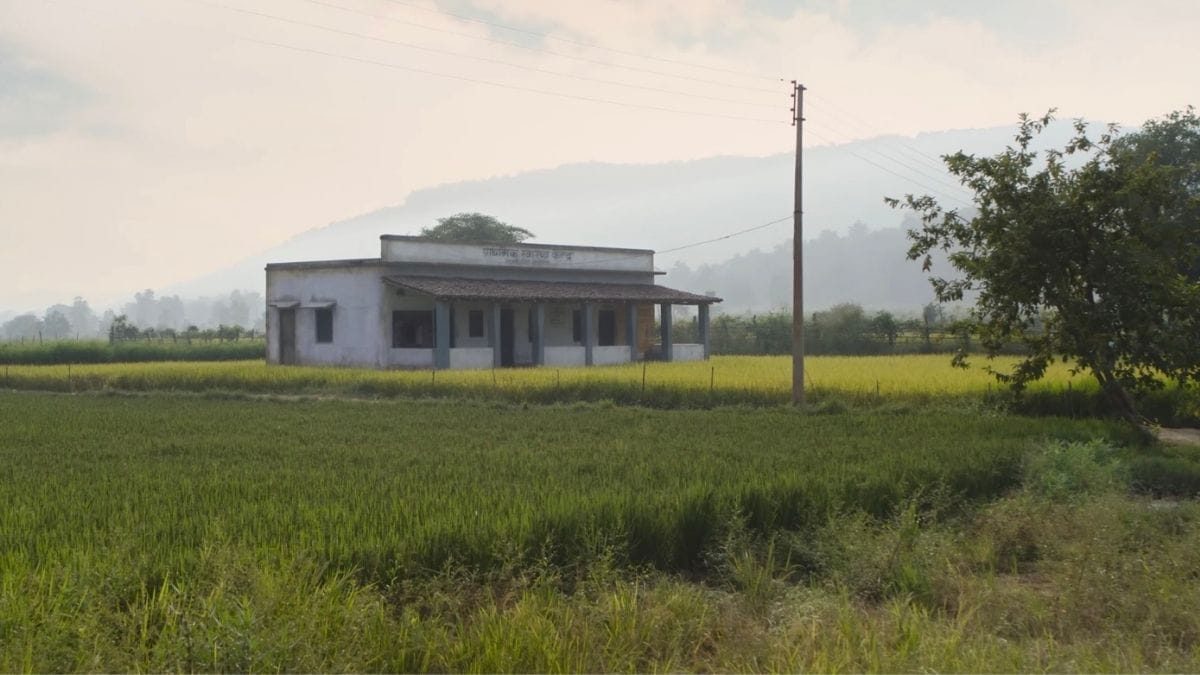
For a long time, Hindi movies often showed villages as very important places with serious problems.
Later, movies focused more on cities and people with urban lifestyles.
This happened as India’s economy grew and multiplexes brought more city audiences to cinemas.
Streaming shows, also called OTT shows, are now bringing villages back.
Shows such as Panchayat and Gram Chikitsalay show village politics, hopes and everyday problems.
These stories often give village characters the chance to solve their own problems.
However, some critics say the villages look too cheerful and do not show enough caste violence, poverty or discrimination.
Regional-language films are also telling more detailed stories about village and small-town life.

Hindi cinema increasingly shifted from village-centered stories toward urban and upper-middle-class characters after economic liberalisation and the arrival of multiplexes.
OTT series such as Panchayat, Gram Chikitsalay, Guns & Gulaabs and Jamtara: Sabka Number Aayega have brought fictional villages back into Hindi storytelling.
Unlike older films, recent shows often let village-based characters address local problems without depending entirely on an urban outsider.
Critics say OTT offers greater room for nuance but still frequently presents a nostalgic, sanitized version of rural life that avoids caste violence and other hardships.
The decline of village settings in mainstream Hindi cinema has also helped regional-language films such as Gamak Ghar and Pokhar Ke Dunu Paar gain attention.
- Who
- Hindi filmmakers, OTT storytellers, actors, critics and scholars discussed the changing portrayal of Indian villages; examples include Ashis Nandy, Mihir Pandya, Adil Hussain and Pranjal Saxena.
- What
- Village-centered stories that became less common in mainstream Hindi cinema are reappearing through OTT series and regional films.
- Where
- The discussion concerns Indian Hindi cinema and OTT productions, with examples set in fictional villages such as Phulera, Bhatkandi and Sujanpur.
- When
- The shift away from village-centered Bollywood stories accelerated after the 1990s, while the OTT revival is reflected in recent releases.
- Why
- Economic liberalisation, urban audiences, migration and multiplex growth pushed mainstream cinema toward city-based stories, while OTT provides more time and space for rural characters and settings.
OTT Expands Rural Storytelling
OTT Still Sanitizes Rural Life
More detailed village narratives
OTT Expands Rural Storytelling
OTT gives storytellers more time to develop characters and local conflicts, allowing villages and their residents to become central to the story.
OTT Still Sanitizes Rural Life
The extra detail does not necessarily produce realism; many shows still present a highly fabricated and nostalgic version of rural life.
Who solves village problems
OTT Expands Rural Storytelling
Recent stories can feature protagonists from villages or small towns who address their own problems without needing an urban outsider to rescue them.
OTT Still Sanitizes Rural Life
The older city-versus-village framework remains, with villagers often portrayed as innocent and city dwellers as more worldly and capable.
Representation of rural hardship
OTT Expands Rural Storytelling
Shows such as Panchayat and Gram Chikitsalay explore village politics, aspirations and everyday frustrations with more nuance than a simple hero-versus-villain plot.
OTT Still Sanitizes Rural Life
Critics argue that caste, class, gender, poverty and caste-based violence are often kept at the edges of the narrative or covered with comedy.
Key facts
- Earlier village-centered films
- Examples include Sholay, Naya Daur, Godaan, Mother India and Peepli Live.
- Last cited Hindi film with village as main character
- Peepli Live, released in 2010.
- OTT village settings
- Phulera in Panchayat, Bhatkandi in Gram Chikitsalay, Sujanpur in Guns & Gulaabs and Jamtara in Jamtara: Sabka Number Aayega.
- Important industry shift
- Multiplexes first arrived in India in 1997, helping shift Bollywood audiences toward cities.
- Criticism of OTT portrayals
- Scholar Mihir Pandya said many shows offer fabricated, nostalgic and one-dimensional rural lives while avoiding harsher realities such as caste-based violence.
- Regional cinema examples
- Maithili films including Gamak Ghar, Dhuin and Pokhar Ke Dunu Paar focus on village or small-town life.
Quotes
Pranjal Saxena
Dialogue writer discussing how OTT has changed rural storytelling
“With the internet accessible to almost all sections of society across the country, storytellers are picking protagonists from a small town or village more confidently. And they can solve their own problems without the requirement of an urban outsider.”
 theprint.in
“He, however, argued that these shows present a “highly fabricated, nostalgic, and one-dimensional” version of rural life, in that they often avoid the harsher realities of rural life or cover them up with a cloak of comedy.”
theprint.in
Sources
Related news
Telugu Stars Embrace Rooted Roles, Challenging Mainstream Caste Barriers

Regional Indian Cinema Thrives as Bollywood Plays It Safe
Enduring Pull of Bimal Roy's Classic 'Do Bigha Zamin'
Malini Sharma Leaves Bollywood for a Slower Farmstay Life