3 weeks ago
Food Labels Sell Emotion, Not Facts, Nutritionist Warns
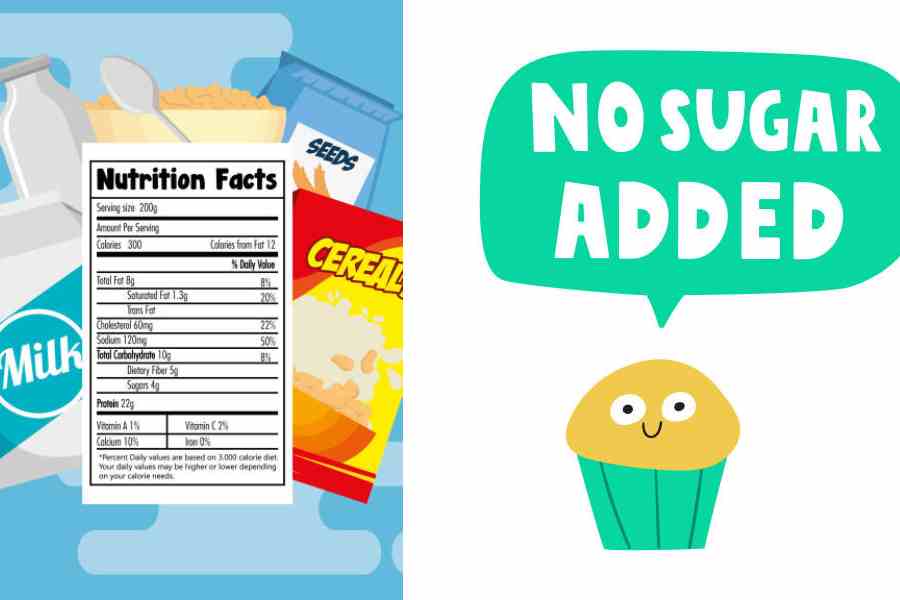
Companies use pretty pictures and fancy words to make food seem healthier than it really is.
The front of the box is like a show, but the list of ingredients on the back tells the truth.
Ingredients are listed so that the biggest ones come first.
Sugar can be hidden under many different names so it does not look like there is a lot.
Some breads called 'multigrain' are still mostly white flour with just a few seeds.
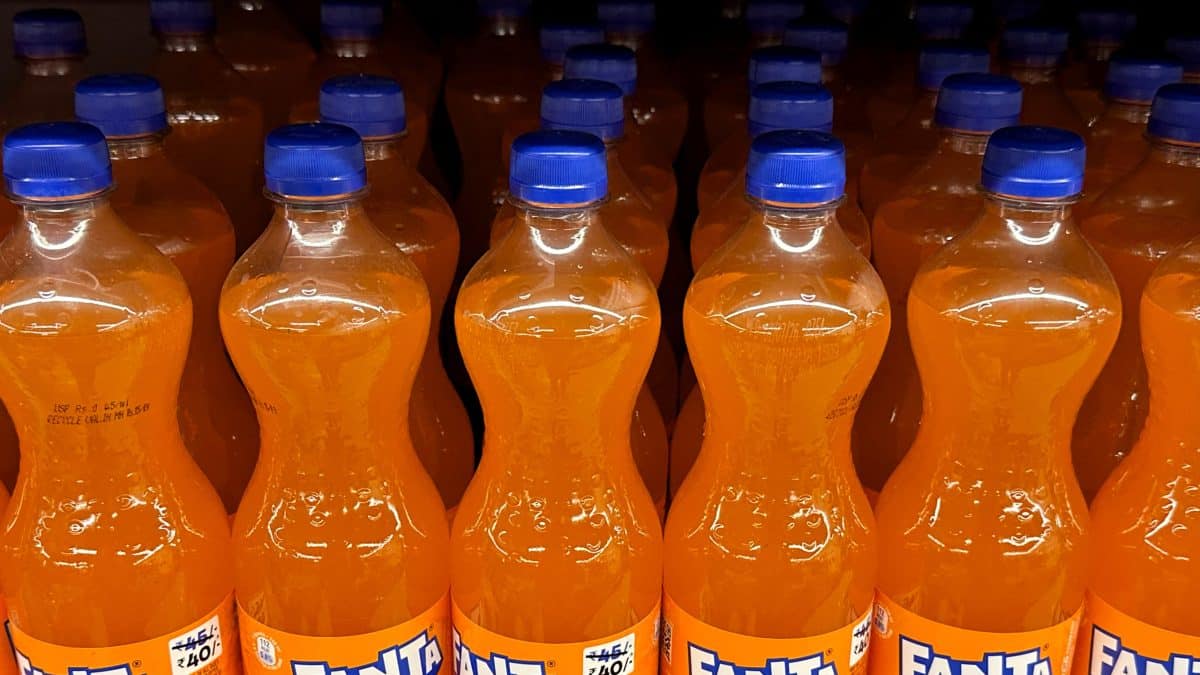
A bottle of iced tea might say 90 calories, but that is only for one small serving from the whole bottle.
Yoghurt that looks healthy can even have more sugar than ice cream.
Foods labelled 'low-fat' often have extra sugar added to make them taste good again.
The best trick is to turn the package around and read the ingredients instead of trusting the front.
Being a little suspicious of fancy health words helps you make better choices.

Modern food labels use virtue-laden language like 'artisanal' and 'hand-cooked' to manage consumer emotions rather than simply inform.
A shopper chose a 'gut-friendly, low-fat, natural' yoghurt that actually contained more sugar than vanilla ice cream.
Ingredients are listed in descending order by quantity, so the first three listed ingredients reveal what a product truly is.
Common marketing tricks include splitting sugar into multiple names, 'multigrain' bread made mostly from refined flour, and brown bread tinted with caramel colouring.
Serving size math can mislead: an iced tea bottle labelled 90 calories actually contains two-and-a-half servings, and 'no added sugar' products often still contain fruit purées, date paste, or juice concentrates.
- Who
- Consumers and food manufacturers, with observations shared by clinical nutritionist Priyanka Shah
- What
- Modern food labels use psychological marketing language and tactics that can mislead health-conscious shoppers about how healthy products really are
- Where
- Supermarkets and upscale food stores
- When
- Over the last decade, according to the article's observations
- Why
- Companies compete on psychology, aspiration and identity because wellness culture has turned food into a way people express their values
Key facts
- Author
- Priyanka Shah, clinical nutritionist
- Publication
- The Telegraph India
- Key insight
- Labels manage emotions rather than merely inform consumers
- Ingredient list rule
- Ingredients are listed in descending order by quantity
- Serving size example
- Iced tea bottle with 2.5 servings lists 90 calories per serving
- Example cited
- 'Healthy chocolate cereal' contained corn syrup, malt extract, glucose solids, and caramel
- Consumer advice
- Read the first three ingredients; check sugar forms and realistic serving sizes
Quotes
Mother of a child
A parent sharing her child's cereal choice
“"My son eats only healthy chocolate cereal."”
 telegraphindia.com
Sources
Related news
Why Indian Food Labels Can Hide Unhealthy Ingredients

Parle Supports Stricter Food Labels, Defends Parle-G Campaign
India's Food Warning Labels Challenge Companies and Consumer Habits

India Tightens Scrutiny of Food Labels and Health Claims

FSSAI Proposes Red Warning Labels for Junk Food