4 days ago
India's Sustainable Aviation Fuel Could Reach Cost Parity by 2036
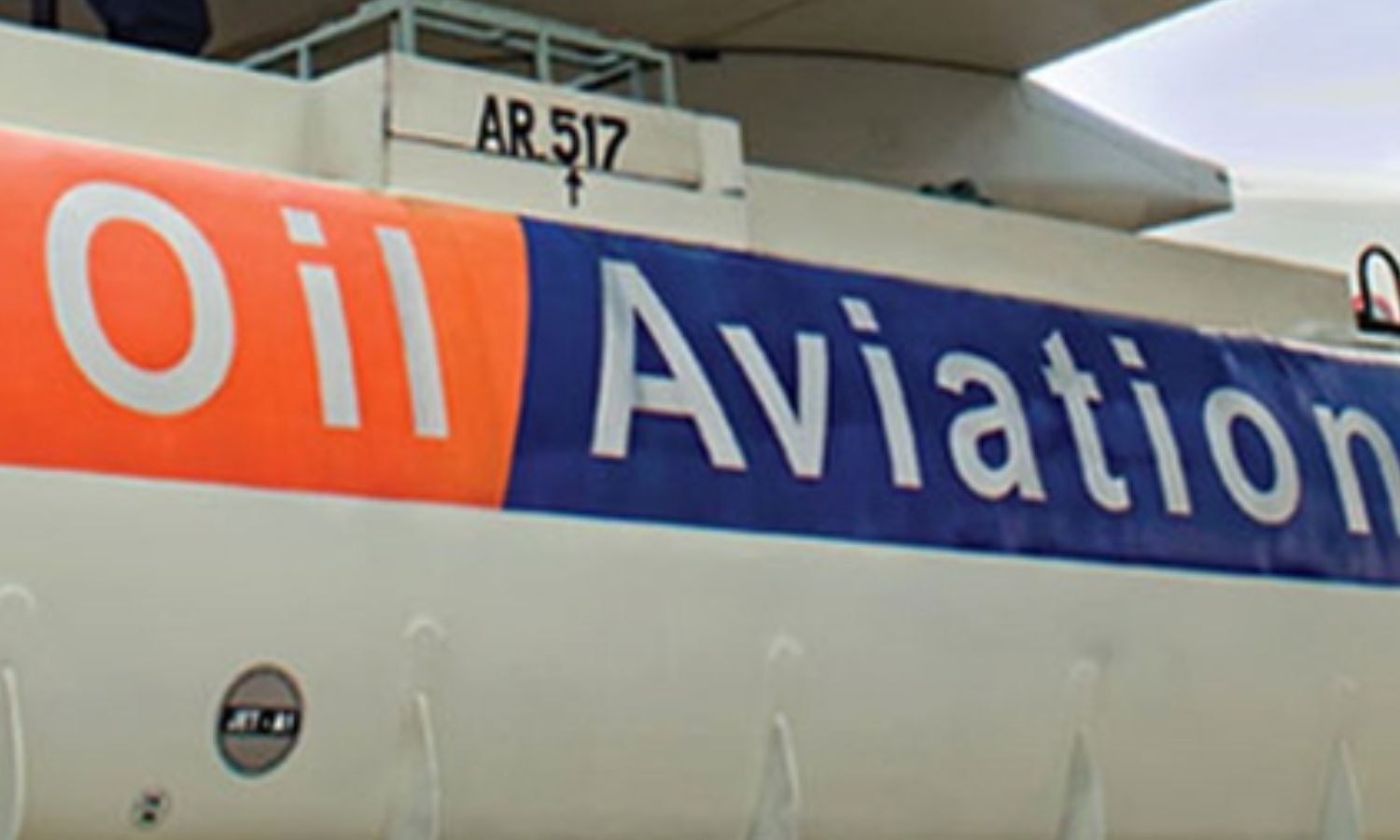
Sustainable aviation fuel is a lower-emission fuel that can be used by airplanes.
A report says it may cost as much as regular jet fuel in India by 2036.
At first, making it could be more expensive than using conventional fuel.
However, the difference becomes smaller when costs are measured over 25 years.
Producing fuel in India could reduce the effect of changing currency values and imported oil prices.
India has farm waste and renewable electricity that could help make this fuel.
Cleaner fuel could also reduce health problems linked to agricultural burning.
If these wider benefits are counted, the price gap could disappear as early as 2030.

India’s sustainable aviation fuel industry could reach cost parity with conventional jet fuel by 2036, according to a Gulf Times report.
Power-and-biomass-to-liquids fuel is estimated at $1.42 per litre in 2030, compared with $0.97 for conventional jet fuel.
Over a 25-year project cycle, a plant commissioned in 2030 could produce fuel at Rs 127 per litre, 18% above adjusted conventional fuel costs.
Domestic production could reduce exposure to rupee depreciation, global commodity-price volatility and imported crude oil.
Accounting for avoided health and carbon costs could bring commercial cost parity forward to as early as 2030.
- Who
- India’s sustainable aviation fuel industry and researchers cited in a Gulf Times report.
- What
- A report projects that domestically produced sustainable aviation fuel could achieve cost parity with conventional jet fuel by 2036, or possibly by 2030 when wider benefits are counted.
- Where
- India.
- When
- The projections focus on plants commissioned in 2030 and 2036; the report also examined jet-fuel price data from 2005 to 2025.
- Why
- Domestic production could reduce exposure to currency fluctuations, global commodity-price volatility, imported crude oil and the social costs associated with pollution.
Key facts
- Projected parity
- Full levelised cost parity is projected for facilities commissioned in 2036 under base-case assumptions.
- Possible earlier parity
- Accounting for health and carbon benefits could bring commercial parity as early as 2030.
- 2030 PBtL cost
- Power-and-biomass-to-liquids fuel is estimated to cost $1.42 per litre in 2030.
- 2030 conventional fuel cost
- Conventional jet fuel is estimated at $0.97 per litre in 2030.
- Levelised cost
- A plant commissioned in 2030 is estimated to produce PBtL fuel at Rs 127 per litre over a 25-year period.
- Cost gap
- The 2030 plant’s levelised cost is estimated to be 18% above the adjusted levelised purchase cost of conventional jet fuel.
- Avoided societal costs
- Reduced agricultural field burning could represent $0.38 per litre in avoided health costs, while carbon costs could add up to $0.22 per litre.
Sources
Related news

Delhi to Host Second Sustainable Aviation Fuel Conclave September 28

India’s Airlines Face Fuel Risk Without A Hedging Buffer

Jet Fuel Prices Rise 5.46% as Iran Tensions Intensify

Jet Fuel and Commercial LPG Prices Rise on September 1

India Faces $22.5 Billion Fossil Fuel Import Shock

Hormuz Crisis Adds $22.5 Billion to India’s Fossil-Fuel Bill

India Nears Final SAF Policy to Reduce Aviation Emissions

IndianOil Invests Rs 19,251 Crore in Odisha

India's Green Jet Fuel Potential