10 months ago
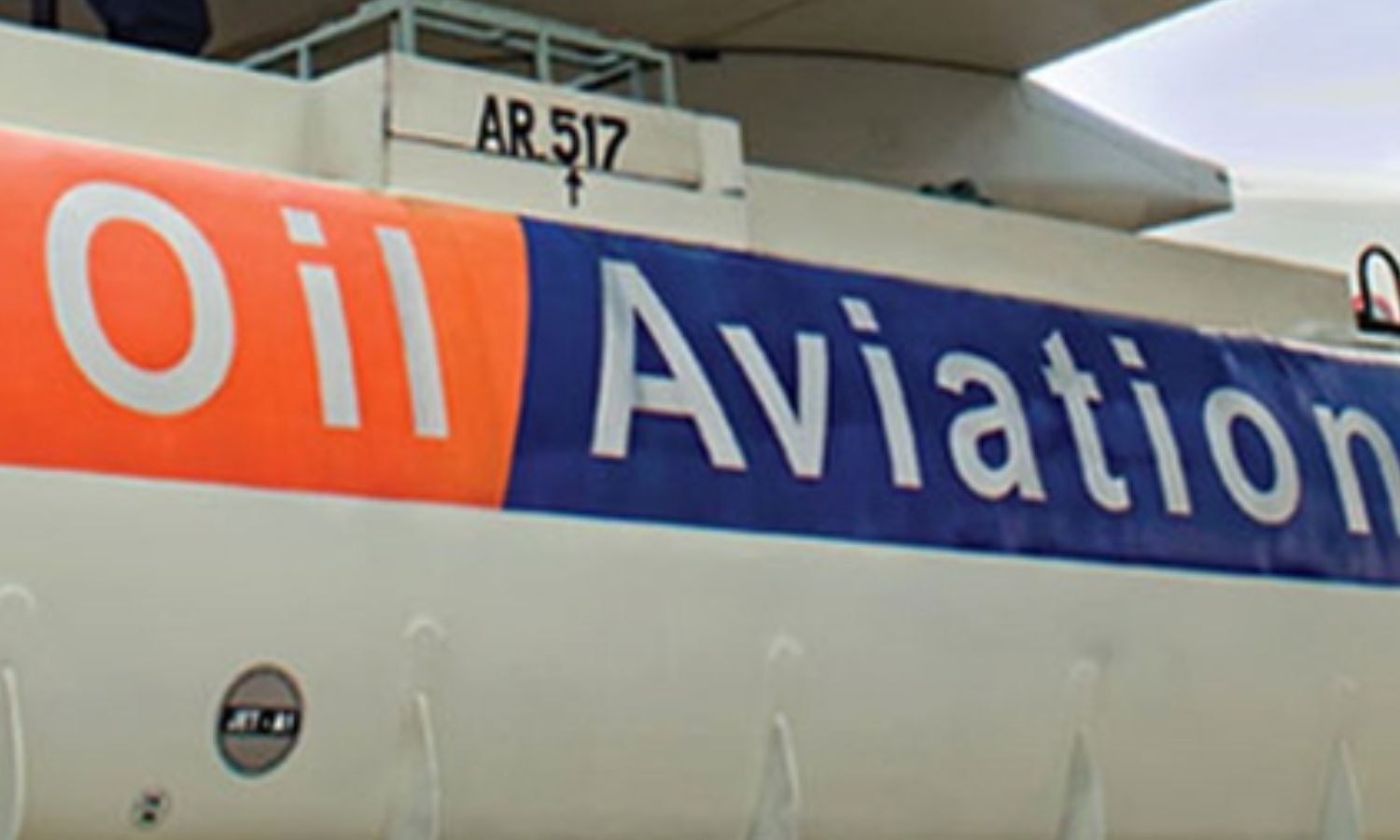
Scientists Develop Sustainable Jet Fuel From Food Waste

Imagine taking old food that would be thrown away, like leftover vegetables or bread.
Scientists have found a special way to cook this food waste using heat and pressure, similar to how nature makes oil deep underground.
This process turns the food into a thick liquid that can then be cleaned up and turned into the same kind of fuel that airplanes use!
This new fuel is good for the planet because it uses waste that would otherwise make pollution.
It's also special because it works perfectly on its own, without needing to be mixed with regular fuel.
This could help make flying cleaner and reduce the impact on our environment.

Researchers at the University of Illinois Urbana-Champaign have created a new method to produce sustainable aviation fuel (SAF) from food waste.
The process uses hydrothermal liquefaction (HTL) to convert organic waste into biocrude, which is then refined into jet fuel.
The resulting SAF meets all industry standards and can be used without being blended with fossil fuels.
This innovation aims to help the aviation industry reduce its carbon emissions and achieve net-zero goals by 2050.
The technology has been validated in the lab and is considered scalable for commercial production.
- Who
- Researchers at the University of Illinois Urbana-Champaign
- What
- Developed a process to convert food waste into sustainable aviation fuel (SAF)
- Where
- University of Illinois Urbana-Champaign
- When
- Not specified, but published in Nature Communications
- Why
- To create sustainable aviation fuel, reduce greenhouse gas emissions from food waste, and help the aviation industry achieve net-zero carbon emissions by 2050
Key facts
- Institution
- University of Illinois Urbana-Champaign
- Process
- Hydrothermal Liquefaction (HTL)
- Feedstock
- Discarded food waste
- Output
- Sustainable Aviation Fuel (SAF)
- Standards Met
- ASTM Tier Alpha and Beta pre-screening tests
Quotes
Yuanhui Zhang
A professor of agricultural and biological engineering at the University of Illinois Urbana-Champaign
“This technology could be applied to other types of oils to produce SAF and could even replace petroleum-based compounds used in plastics.”
 NDTV
NDTV
“Our research addresses both scientific and engineering challenges and allows the industry to take next steps.”
NDTV
The research team
The researchers at the University of Illinois Urbana-Champaign who developed the new SAF production method
“This discovery is considered a significant step toward cleaner air travel by converting large-scale waste into high-quality jet fuel.”
NDTV