2 hrs ago
How to Choose Safer, Cleaner, More Sustainable Water Bottles
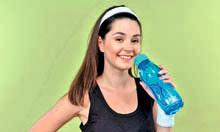
Water bottles can be useful, but they also need to be safe and clean.
Stainless steel and glass are generally recommended for everyday use.
Plastic bottles can develop scratches where germs collect, especially when exposed to heat or sunlight.
Glass does not change the taste of drinks, but it can break.
Steel is stronger and can keep drinks hot or cold, but it is heavier and more expensive.
Bottles used for milk or shakes need especially careful cleaning.
Straws, lids, and rubber seals can also collect germs if they stay wet.
Replace a bottle or part when it has cracks, rust, damaged seals, bad smells, or stains that will not go away.

Experts recommend stainless steel or glass as safer everyday choices than repeatedly reused plastic.
Food-grade 18/8 and 18/10 stainless steel resists corrosion, odours, and temperature changes but costs more and weighs more.
Bottles, lids, seals, and reusable straws should be washed, brushed, rinsed, and fully dried after use.
Aluminium linings can pose risks if scratched, while copper bottles should not hold acidic drinks or be overused.
Celebrities and influencers have helped turn water bottles into fashion accessories as well as hydration tools.
- Who
- Doctors Aarti Ullal, Aravinda, and Aravinda S N provide bottle-safety and cleaning guidance; celebrities mentioned include Novak Djokovic, Priyanka Chopra-Jonas, Janhvi Kapoor, and Margot Robbie.
- What
- The article explains how to choose, clean, maintain, and replace reusable water bottles while discussing plastic, steel, glass, aluminium, and copper.
- Where
- The experts are associated with Gleneagles Hospital, Parel, and Aster RV Hospital, Bangalore; the advice concerns bottles used at home, work, gyms, cars, and while travelling.
- When
- The guidance applies during everyday bottle use, cleaning, storage, and replacement.
- Why
- The goal is to reduce hygiene problems, chemical exposure, and contamination while acknowledging bottles’ growing role as fashion accessories.
Key facts
- Recommended materials
- Stainless steel and glass are presented as the safest everyday choices.
- Steel specification
- Food-grade 18/8 or 18/10 stainless steel is described as safe, durable, and odour-resistant.
- Cleaning method
- Wash with warm water and dish soap, brush the inside, rinse thoroughly, and allow the bottle to dry.
- Straw care
- Disassemble reusable straws and clean their full length with a straw brush after juices, shakes, or dairy drinks.
- Replacement signs
- Replace bottles or parts when there are cracks, deep scratches, persistent odours or stains, rust, damaged seals, or insulation failure.
- Aluminium warning
- Stop using aluminium bottles when their protective inner lining is scratched, chipped, or worn.
- Copper warning
- Do not store lemon water, fruit juice, vinegar, or other acidic drinks in copper bottles for long periods.
Quotes
Dr Aravinda S N
Lead Consultant in Internal Medicine at Aster RV Hospital, Bangalore
“Always disassemble and clean thoroughly after juices, shakes, or dairy drinks. Use a straw brush to reach the full length, and rinse and dry all parts completely. Never skip straw cleaning — mould, odour, cracks, or discolouration mean it’s time to replace the straw.”
 deccanchronicle.com
“Appearance isn’t enough when choosing a bottle. Repeated use of plastic can leave grooves that harbour microbes, while heat and sunlight accelerate chemical migration — even BPA-free plastics aren’t risk-free.”
deccanchronicle.com
Sources
Related news
Top Insulated Steel Bottles Under Rs. 1,500 Reviewed
Study Finds Hot Takeaway Paper Cups Release Millions Of Microplastics

Why You May Not Need a 40-Ounce Water Bottle
Why Newspapers Should Never Wrap Food, Health Experts Explain

Why Water Testing Should Come Before Buying A Purifier

Maniesh Paul Thanks Janhvi Kapoor After Turbulent Flight

Lust Stories 3 Reframes Bollywood’s Display of Male Bodies

Cibi Chakaravarthi Praises Raaka Visuals, Invokes James Cameron’s Avatar
King Koil Names Janhvi Kapoor, Launches Global Mattress Identity