48 mins ago
How Diet Coke Became a Cultural Status Symbol
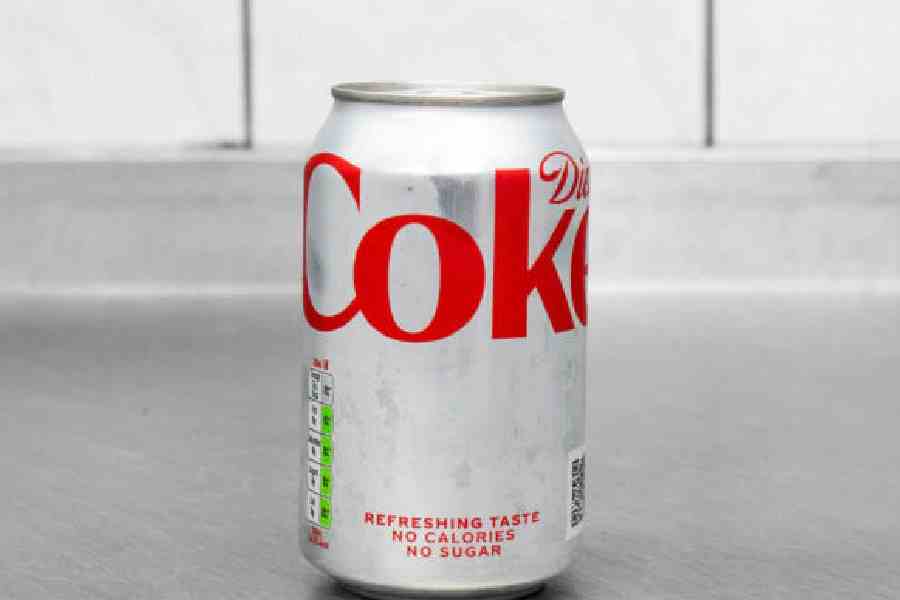
Diet Coke is an old drink that has recently become fashionable again.
People like its cold, fizzy taste and the small break they get when opening a can.
Some call it a “fridge cigarette” because it can replace a quick coffee or smoking break.
Its silver can also looks good in photos and has become part of social-media style.
Famous people holding Diet Coke have made it seem casual and cool.
In India, a shortage in 2026 made people want the drink even more.
Some fans collect cans, decorate with them or wear Diet Coke merchandise.
The drink has no sugar, but that does not mean it is as healthy as water.

Diet Coke, launched in 1982, has become a lifestyle symbol beyond its original low-calorie positioning.
The “fridge cigarette” trend frames opening a cold can as a small break from work or daily routines.
Social media, celebrity appearances and Instagram-friendly packaging have helped make the drink culturally visible.
A 2026 shortage in India, linked to aluminium-can supply disruptions, turned Diet Coke into a scarcity object.
Although Diet Coke contains no sugar, experts caution that it should not automatically be considered a health drink.
- Who
- Diet Coke consumers, Coca-Cola, celebrities and social-media creators.
- What
- Diet Coke has become a cultural status symbol, lifestyle accessory and object of online attention.
- Where
- The trend is discussed in the United States, India, workplaces, homes and social-media platforms.
- When
- Diet Coke launched in 1982; its current cultural resurgence includes a shortage in India during 2026.
- Why
- Its zero-sugar positioning, recognizable packaging, everyday ritual, celebrity visibility and 2026 scarcity have increased its appeal.
Cultural Appeal
Health Caution
What Diet Coke represents
Cultural Appeal
Supporters see it as a convenient, zero-sugar treat and a satisfying daily ritual that fits modern wellness and lifestyle culture.
Health Caution
Health experts caution that zero sugar does not make it equivalent to water or prove that it is risk-free, particularly because of ongoing debate about artificial sweeteners.
Key facts
- Launch year
- 1982
- United States ranking
- Diet Coke became the top low-calorie soft drink within a year and the country's No. 2 soft drink in 2010, according to Coca-Cola.
- India shortage
- A 2026 shortage was linked to aluminium-can supply disruptions associated with the Middle East conflict.
- Popular trend
- The “fridge cigarette” describes using a cold can as a small break or ritual.
- Health information
- Diet Coke contains no sugar and fewer calories than conventional sugary cola, but it is not automatically a health drink.
- Aspartame guidance
- The International Agency for Research on Cancer classified aspartame as possibly carcinogenic in 2023, while the Joint FAO/WHO Expert Committee on Food Additives retained an acceptable daily intake of 40 milligrams per kilogram of body weight.
- Merchandise
- Diet Coke merchandise includes clothing, hats, bags, charms and other accessories.
Sources
Related news

Dirty Diet Coke Trend Adds Cold Brew, Spice, And Coconut

How Generation Z Turns Healthy Swaps Into Food Culture

India Softens Sugar Warnings as Coca-Cola Defends Labeling Position
How Matcha Became a Modern Lifestyle Trend Beyond Ancient Tea
How Indian Paan Shop Bags Became Unexpected Global Fashion Icons
Why Indian Fanta Has Nearly Triple UK Version’s Calories

Film, Brown Lipstick and Retro Snacks Shape This Lifestyle Roundup

Anne Hathaway, Dua Lipa and Lisa Shine at Bvlgari Event

BTS, Dua Lipa and Tame Impala Linked to Coachella 2027

Dua Lipa Shares Two-Part Advice Ahead of Marriage