

2 weeks ago
Taliban's five years: more security, but jobs, education, rights crisis
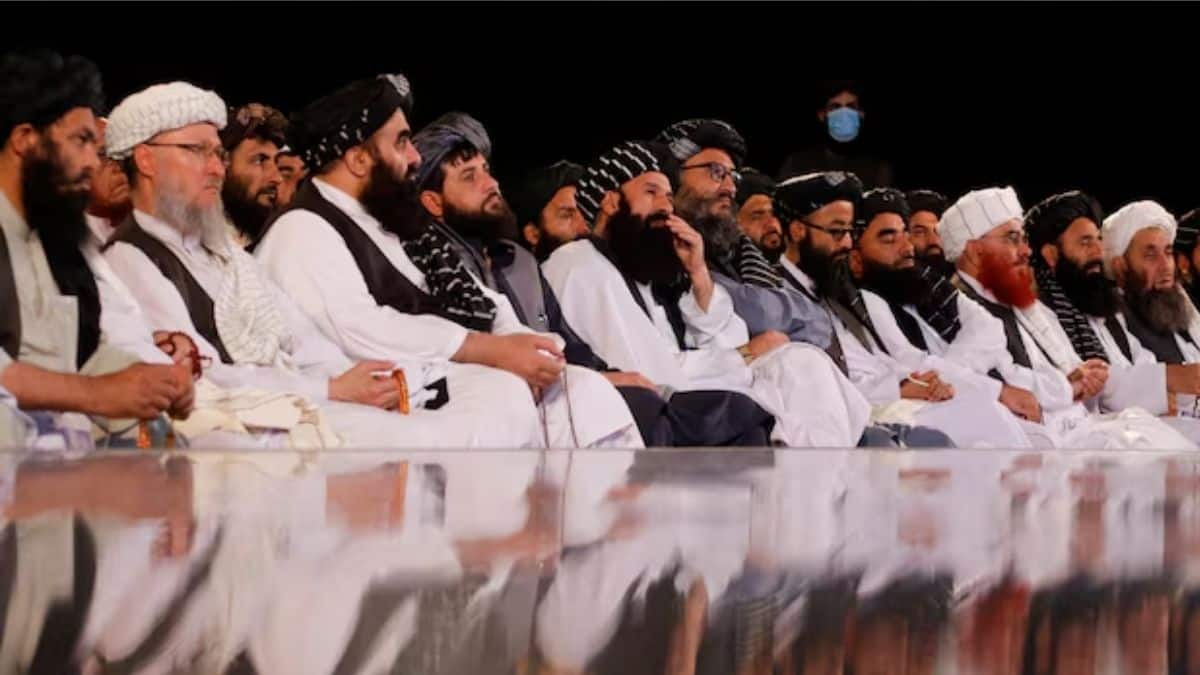
Five years ago, a group called the Taliban took control of Afghanistan after the United States and other countries left.
Before that, Afghanistan had war for a long time.
Now, there is a lot less fighting, and many streets feel safer.
The Taliban says this safety is one of its biggest achievements.
But many people in Afghanistan are still struggling.
Lots of people cannot find jobs, and many families are poor.
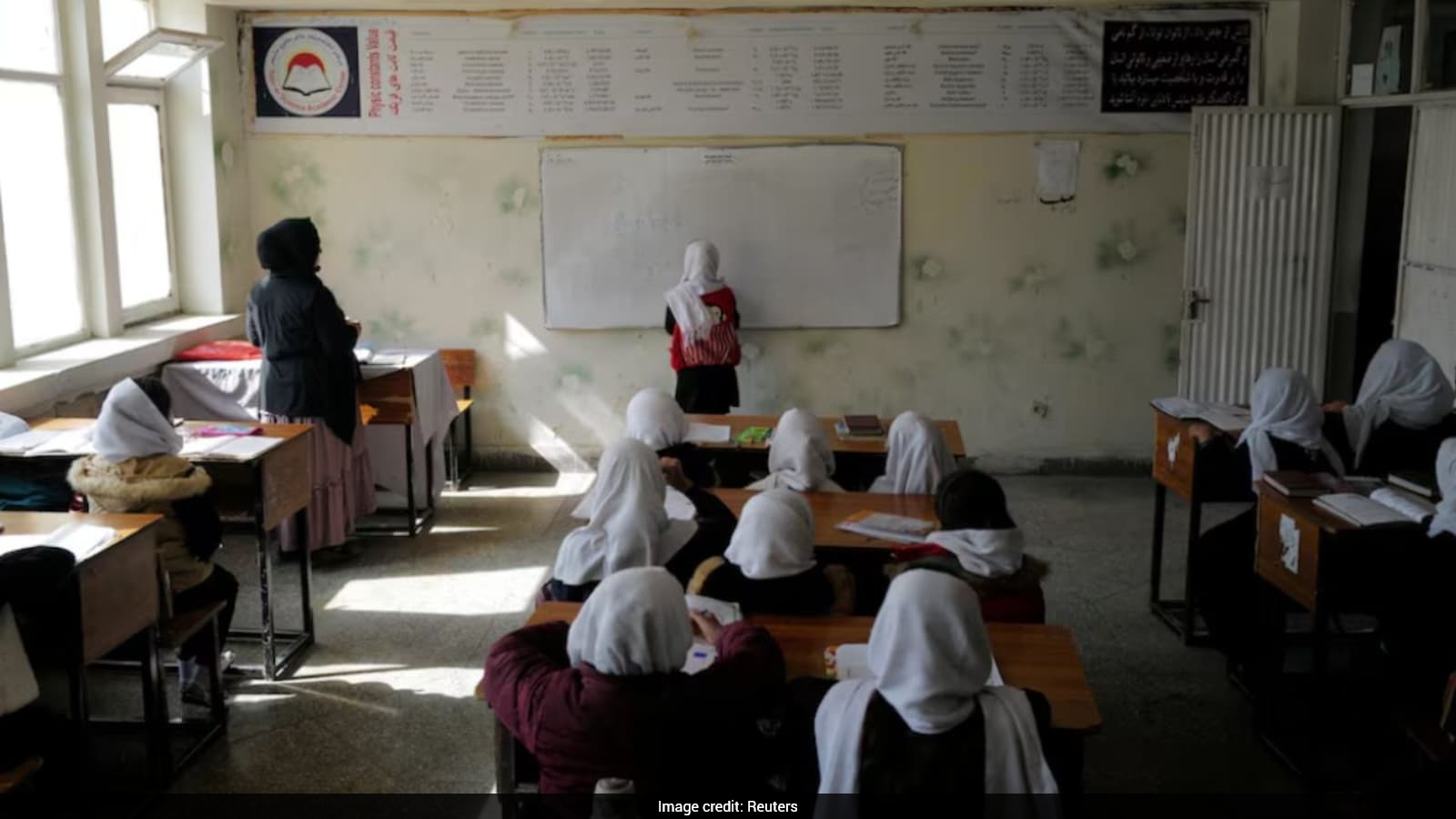
Girls are not allowed to go to school after sixth grade, and women cannot go to university.
Millions of children are not in school at all, and many children do not have enough food to eat.
Some experts say the country's worst problem is how women and girls are being treated.
The Taliban says it is working on these issues, but the restrictions are still in place.

Afghanistan marked five years since the Taliban returned to power after seizing Kabul on August 15, 2021, as US and NATO forces withdrew.
The Taliban highlights improved security and stability, citing reduced violence, infrastructure improvements, a more stable currency and industrial parks.
Afghanistan remains internationally isolated, with the Taliban administration formally recognized only by Russia, though it says it engages with about 40 countries.
Girls are barred from education beyond sixth grade and women from universities, with UN Women describing Afghanistan's situation as the world's most severe women's rights crisis.
Unesco estimates about 2.4 million girls are excluded from secondary education and about 53% of primary school-age children are out of school, while the World Food Program warns child malnutrition is critical in a third of provinces.
- Who
- The Taliban government and the people of Afghanistan, especially women and girls
- What
- The fifth anniversary of Taliban rule is marked by claims of improved security, while Afghans face unemployment, poverty, education restrictions and a severe women's rights crisis
- Where
- Afghanistan, particularly Kabul
- When
- Five years after the Taliban seized Kabul on August 15, 2021
- Why
- The Taliban's return ended large-scale fighting but brought sweeping restrictions on women and girls and persistent economic hardship
Taliban administration's view
International organizations and critics
Security and stability
Taliban administration's view
Reduction in violence is one of the biggest achievements, bringing security and stability after decades of war.
International organizations and critics
The United Nations warns lasting stability requires progress on human rights and concerns over terrorism, not just a decline in armed conflict.
Women's rights and education
Taliban administration's view
The Taliban says it is working to create conditions under its interpretation of Islamic law in which women and girls can return to education.
International organizations and critics
UN Women calls Afghanistan the world's most severe women's rights crisis, and Unesco says restrictions have reversed much of the educational progress made over two decades.
Economic conditions
Taliban administration's view
The Taliban points to infrastructure improvements, a more stable currency and industrial parks as signs of economic progress.
International organizations and critics
Ordinary Afghans continue to struggle with unemployment and poverty, and aid groups warn funding cuts are threatening humanitarian and women's organizations.
Key facts
- Ruling administration
- Taliban
- Date of takeover
- August 15, 2021
- Formal recognition
- Only Russia; engagement with about 40 countries claimed
- Girls excluded from secondary education
- About 2.4 million (Unesco estimate)
- Primary school-age children out of school
- About 53%
- Child malnutrition
- Critical in a third of provinces (World Food Program)
- Education restrictions
- Girls barred beyond sixth grade; women excluded from universities
Sources
Related news
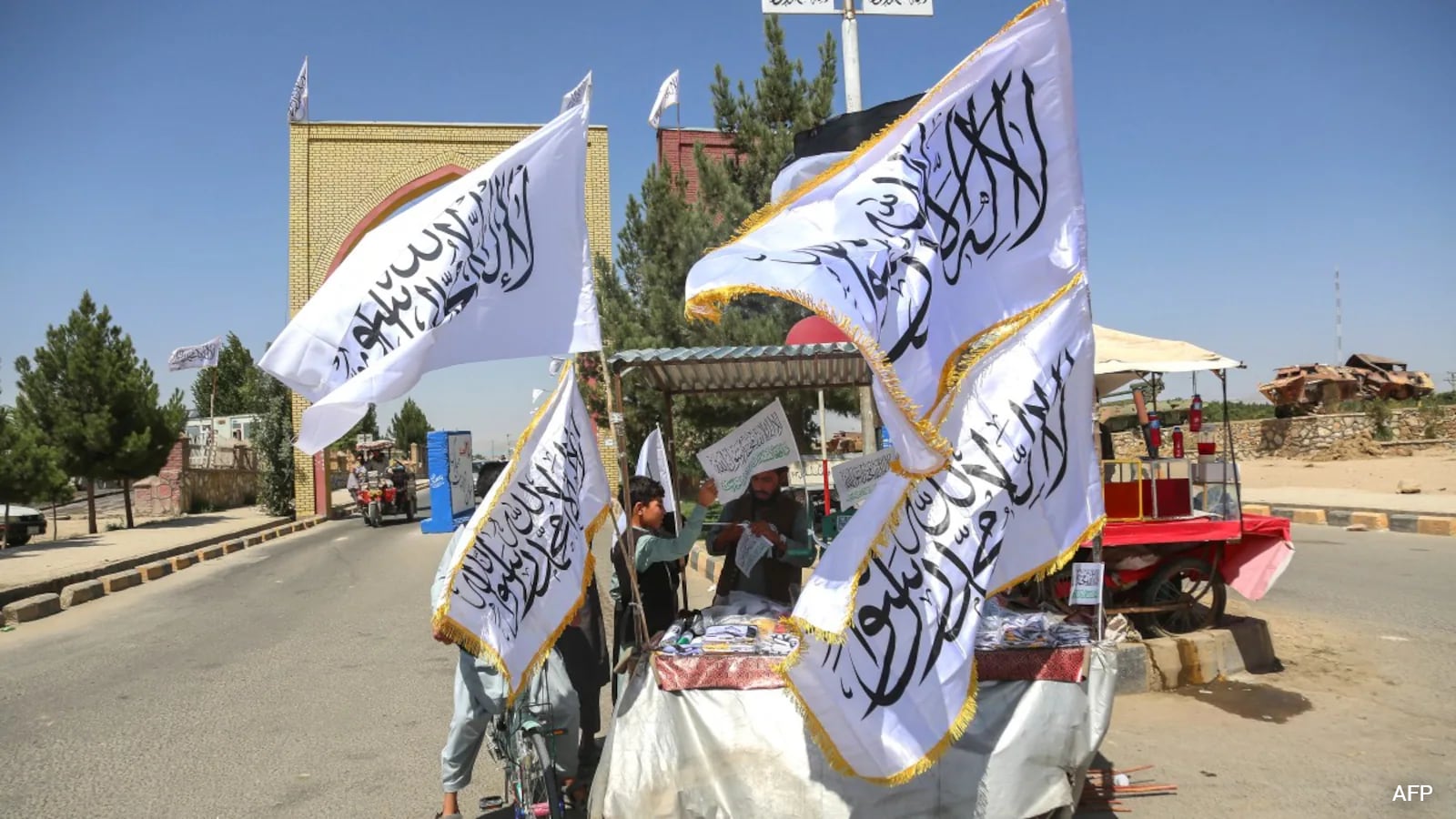
Taliban Celebrates Five Years of Afghanistan Rule; Critics Decry Restrictions
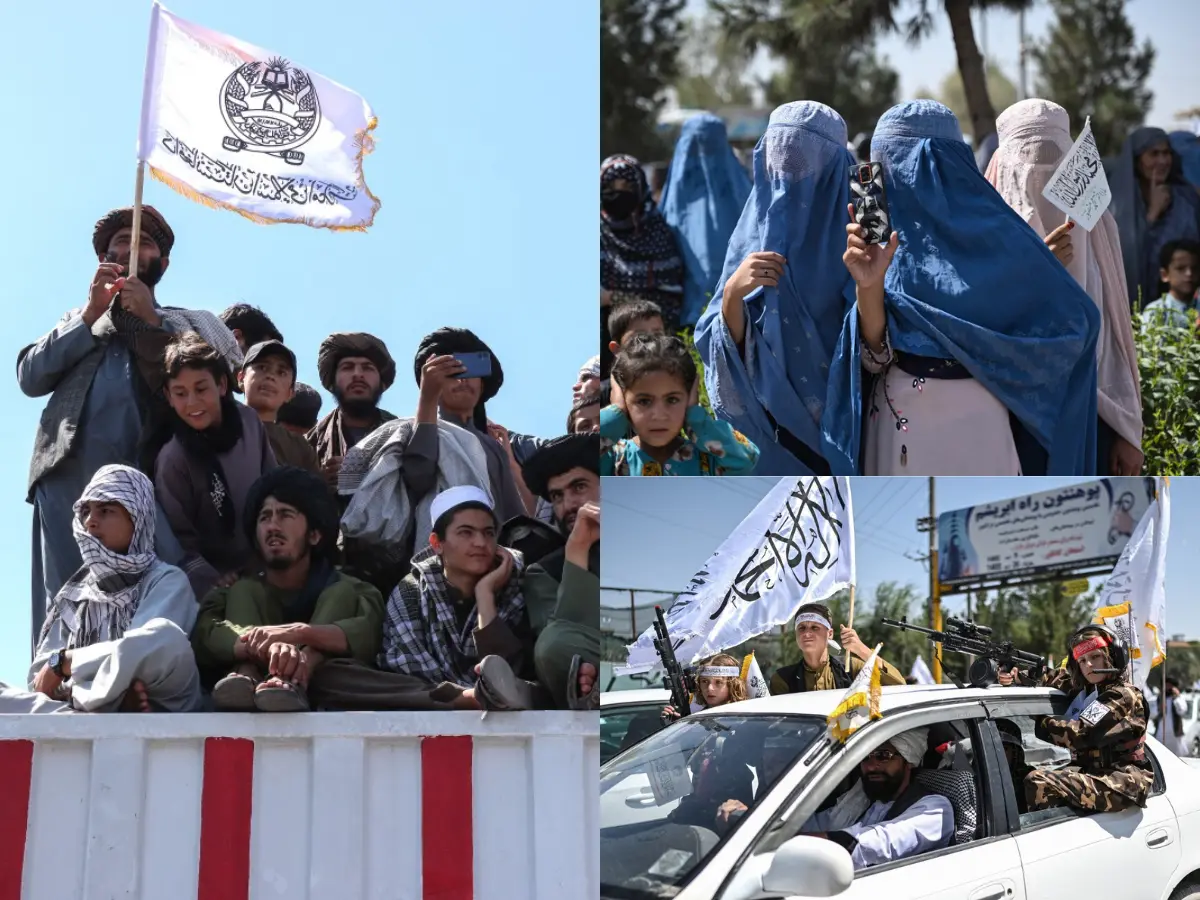
Five Years On: How Afghanistan Changed Under Taliban Rule
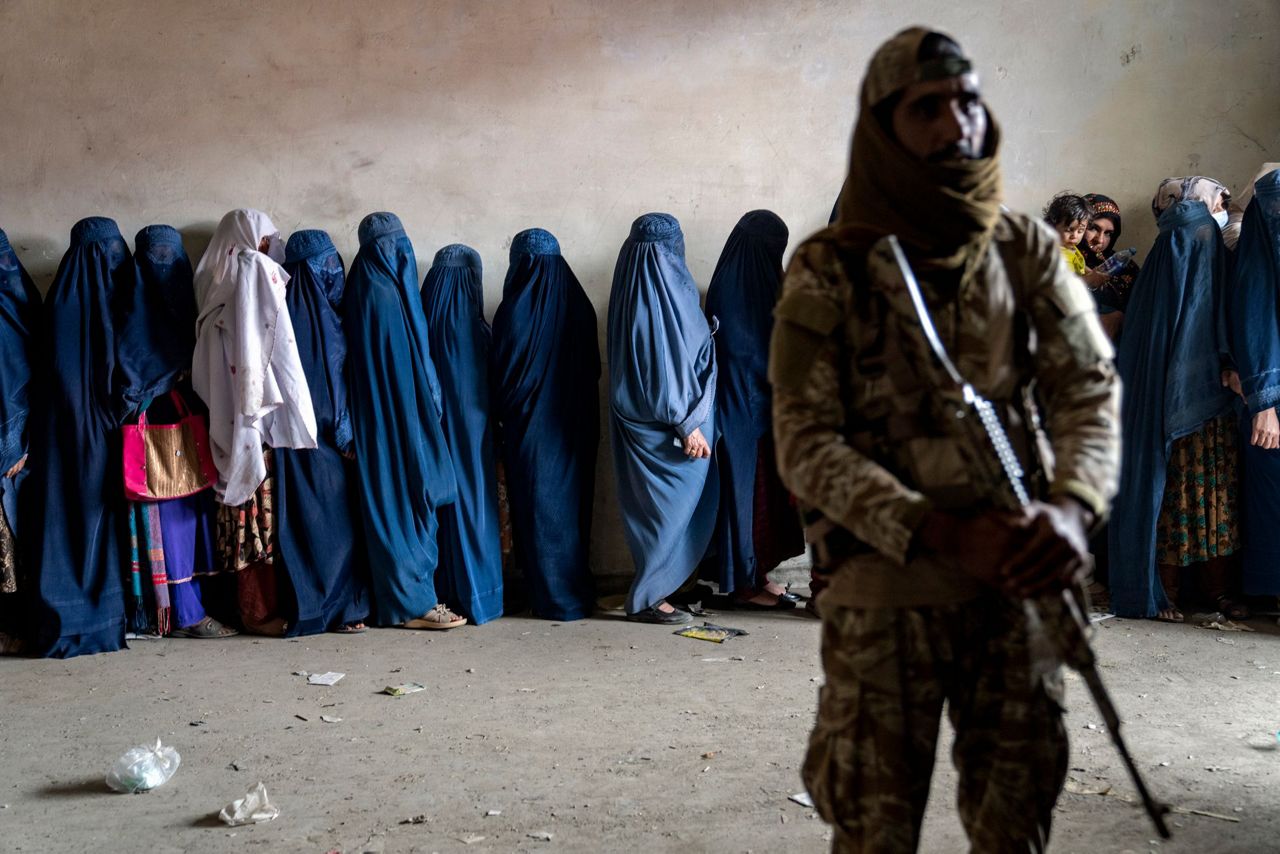
Taliban Marks 5 Years in Power Amid Rights Groups Alarm

Half of Afghan Women Rarely Leave Home, UN Agency Reports
UNESCO: Taliban Barred 2.4 Million Afghan Girls From School
UN urges continued funding for Afghan women amid Taliban curbs

Seamus Murphy’s Poetic Realism Finds Joy Amid Resilience

Trump Marks Abbey Gate Anniversary, Blames Biden Withdrawal Failures

Indian Solo Traveller Documents Afghanistan’s Beauty, Restrictions and Contradictions

India Delivers Medical Aid, Reaffirms Humanitarian Support for Afghanistan
Iran War Stymies India-Taliban Relations Amid Regional Tensions
