

2 weeks ago
Five Years On: How Afghanistan Changed Under Taliban Rule
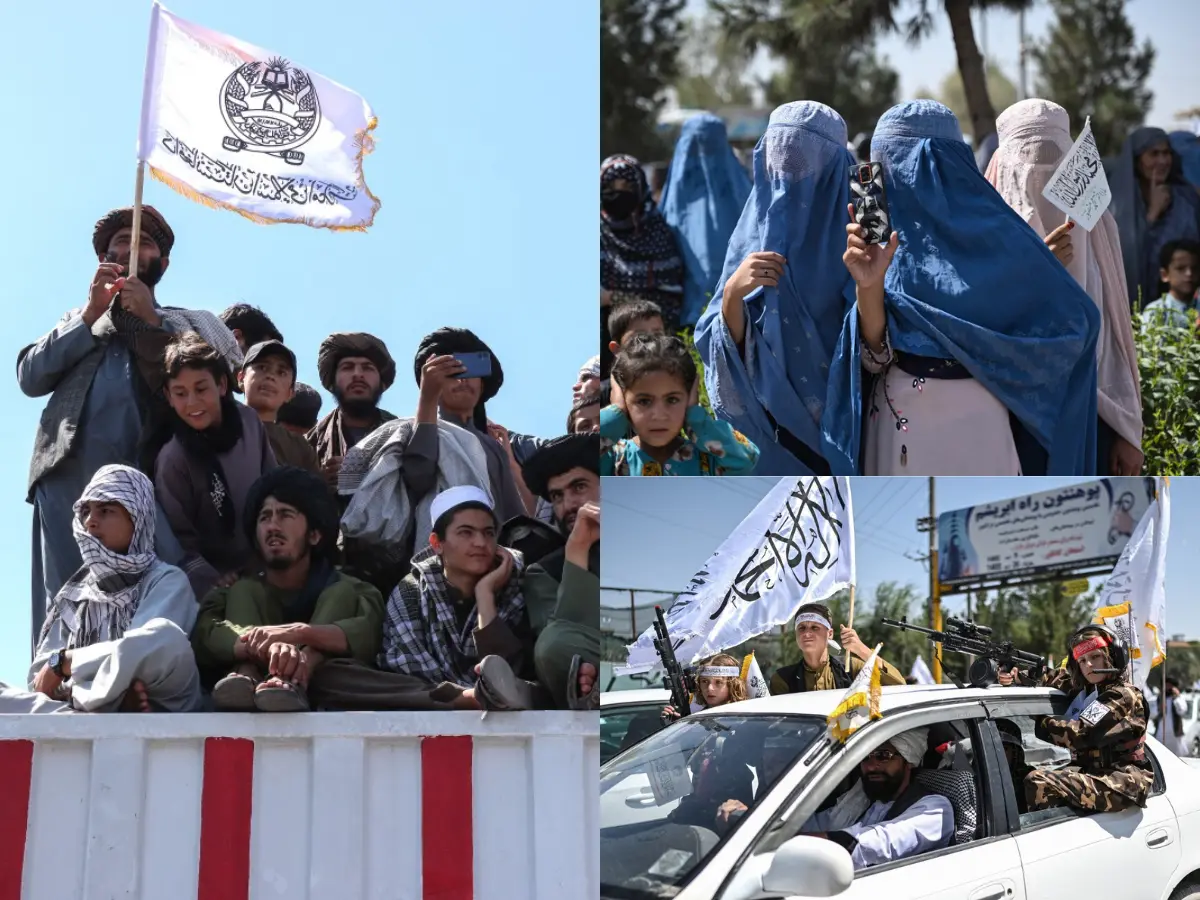
Five years ago, the Taliban took over Afghanistan after the United States and its friends decided to leave the country.
Many people were scared and tried to leave Kabul's airport all at once.
The Taliban promised to protect people's rights, but things changed.
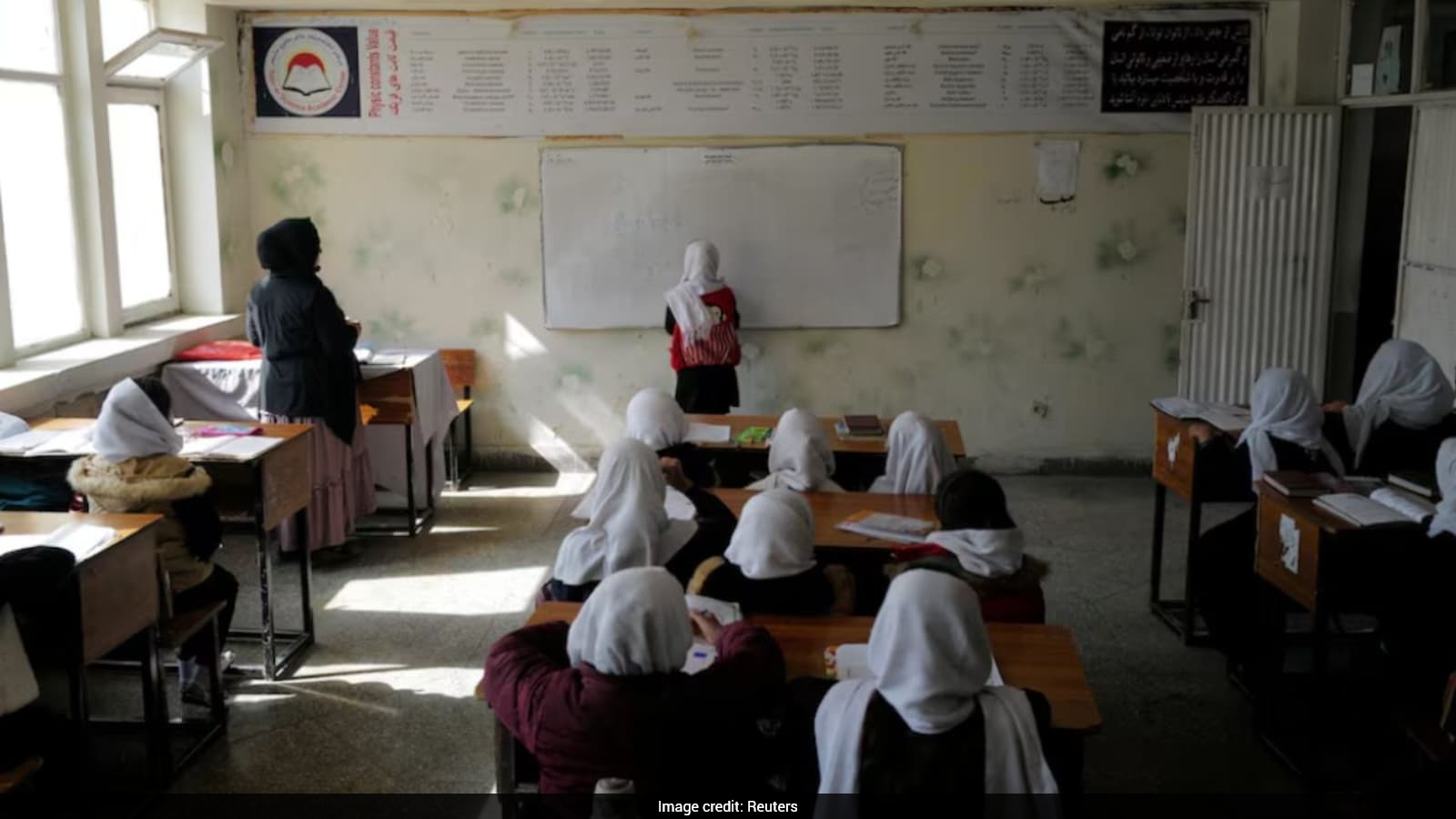
Girls were stopped from going to school and university, and women lost many freedoms.
More than 100 rules have been made that limit what women and girls can do.
Many women say they feel unsafe and rarely leave their homes.
Journalists also face big problems, and some punishments like public lashings have returned.
The war between the Taliban and the old government ended, but attacks and other dangers continue.
Farmers who grew poppies lost money after the Taliban banned that crop.
Some things improved, like the economy growing a little, but millions of people still don't have enough food.

August 15, 2026, marks five years since the Taliban entered Kabul and the US-backed Afghan government collapsed.
A UN Women report counted more than 100 decrees targeting women and girls, with only 7% of Afghan women employed.
Afghanistan is the only country in the world where girls and women are formally barred from secondary school and university.
The Taliban's 2022 poppy cultivation ban led to a 95% decline in cultivation by 2023, according to UNODC.
The World Bank estimated around 14 million Afghans faced acute food insecurity by late 2025, despite real GDP growth of 4.8%.
- Who
- The Taliban and the people of Afghanistan, including women, girls, journalists, and farmers.
- What
- The fifth anniversary of the Taliban's takeover of Kabul and the changes in Afghanistan since then.
- Where
- Afghanistan, especially Kabul and Hamid Karzai International Airport.
- When
- August 15, 2026, five years after the fall of Kabul on August 15, 2021.
- Why
- The US-led coalition withdrew its forces, and the Afghan government collapsed within days, allowing the Taliban to take control.
View: Stability and Order
View: Repression and Hardship
End of the war
View: Stability and Order
The Taliban's takeover ended the US-led war that lasted two decades in Afghanistan.
View: Repression and Hardship
The conflict has changed rather than disappeared, with militant attacks, political repression, border tensions, hunger, and displacement continuing.
The economy
View: Stability and Order
The economy has not collapsed and even showed recovery, with real GDP growth of 4.8% and higher domestic revenue collection.
View: Repression and Hardship
Income per person has declined, inflation increased, foreign aid is falling, and roughly 14 million people faced acute food insecurity by late 2025.
Women's rights
View: Stability and Order
At the time of the takeover, Taliban spokesperson Suhail Shaheen promised women and girls would retain the rights gained over the previous two decades.
View: Repression and Hardship
More than 100 decrees targeting women and girls followed, including bans on secondary education and university, leaving only 7% of women employed.
Key facts
- Fall of Kabul
- August 15, 2021
- Decrees targeting women and girls
- More than 100 since the takeover
- Female employment rate
- 7% of women, compared with 84% of men
- Decline in opium cultivation
- 95% by 2023 after the April 2022 ban
- Real GDP growth (2025 estimate)
- 4.8%
- Acute food insecurity by late 2025
- About 14 million people
- Opium harvest value
- Fell from $1.36 billion in 2022 to $110 million in 2023
- Formal recognition of Taliban government
- Russia is the only country to have formally recognized it
Quotes

Suhail Shaheen
Taliban spokesperson
“Afghans faced no risk to their property, to their lives or to their honour. He promised an inclusive Islamic government, amnesty for people who had worked with the United States or the former Afghan administration, and said women and girls would retain the rights they had gained over the previous two decades.”
 wionews.com
Sources
Related news
Taliban's five years: more security, but jobs, education, rights crisis
Taliban Celebrates Five Years of Afghanistan Rule; Critics Decry Restrictions
Taliban Marks 5 Years in Power Amid Rights Groups Alarm

Half of Afghan Women Rarely Leave Home, UN Agency Reports
UNESCO: Taliban Barred 2.4 Million Afghan Girls From School
Mahbouba Seraj leaves Afghanistan, urges women not to lose hope

Seamus Murphy’s Poetic Realism Finds Joy Amid Resilience

Trump Marks Abbey Gate Anniversary, Blames Biden Withdrawal Failures

Indian Solo Traveller Documents Afghanistan’s Beauty, Restrictions and Contradictions

India Delivers Medical Aid, Reaffirms Humanitarian Support for Afghanistan
Iran War Stymies India-Taliban Relations Amid Regional Tensions
