2 weeks ago
UN urges continued funding for Afghan women amid Taliban curbs

In Afghanistan, a group called the Taliban is in charge.
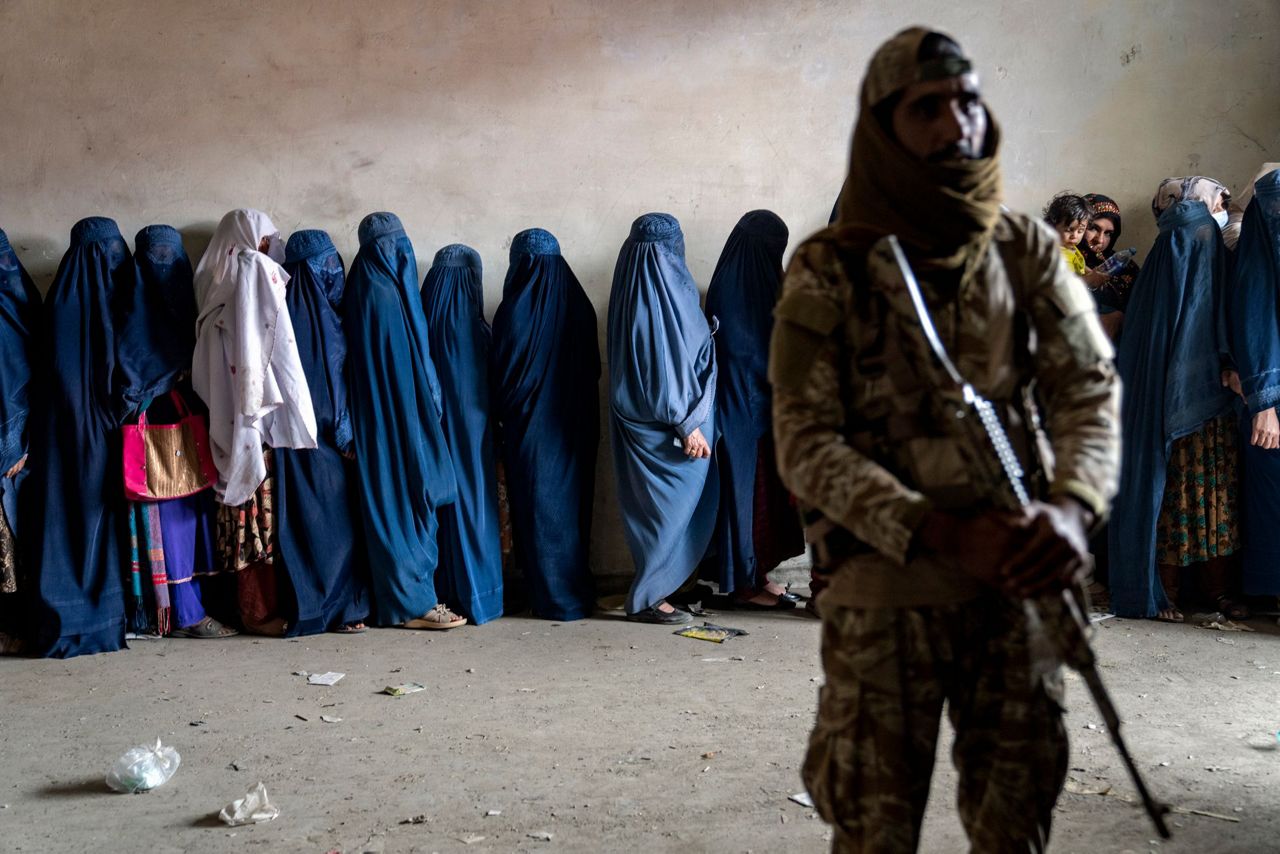
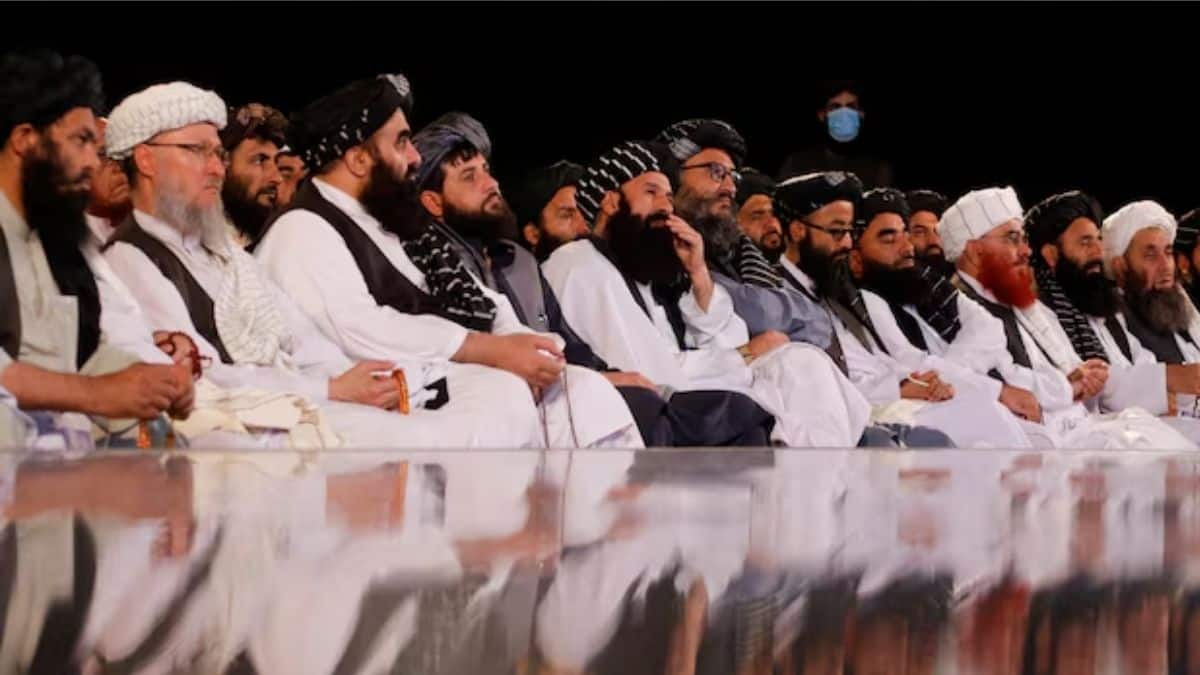
Since it came back to power about five years ago, the Taliban has made more than 100 new rules that stop women and girls from doing many everyday things.
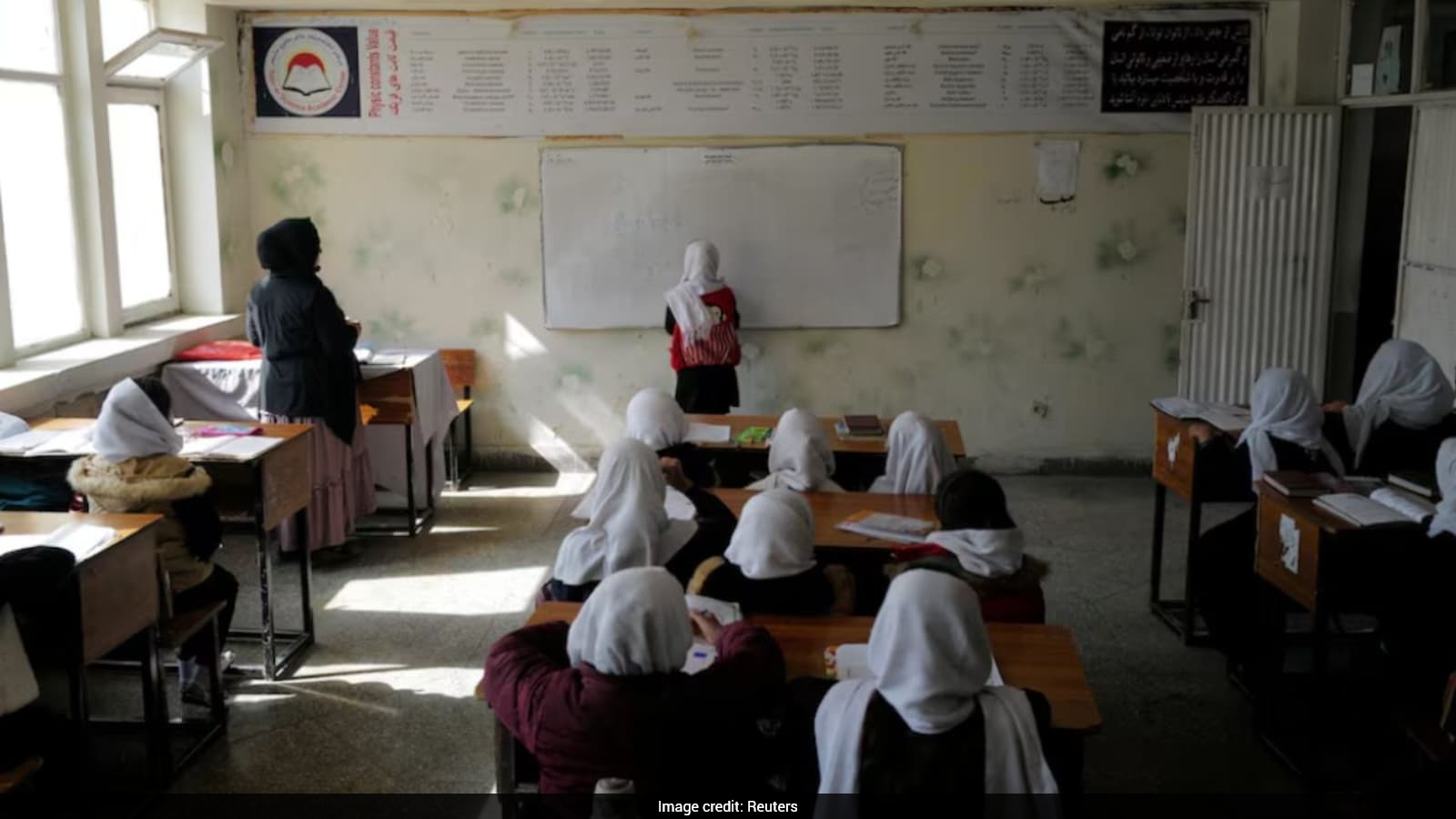
Girls cannot go to high school or university, and Afghanistan is the only country in the world where this happens.
Many women now stay at home almost all the time, and many say they feel very sad.
The United Nations is a big group of countries that works together to help people.
The United Nations is asking countries to keep giving money so groups that help Afghan women can stay open.
If the money runs out, more than half of the women's groups could close.
Many countries agreed and signed a paper asking the Taliban to give women back their rights.
A few other countries did not sign, because countries do not always agree on how to talk to the Taliban.

The United Nations appealed to donors on Friday to increase, not cut, foreign aid for Afghan women, calling conditions for women the worst in the world.
U.N. Women's representative Susan Ferguson said the Taliban has imposed more than 100 decrees restricting women's rights since returning to power five years ago.
Girls remain barred from secondary schools and universities, and Afghanistan is the only country in the world with such bans.
More than half of 3,200 surveyed women say they leave home only once or twice a month, and seven in 10 describe their mental health as bad or very bad.
Fifty-six countries, including Britain, France, Germany, Japan, the United States and the United Arab Emirates, signed a joint statement urging the Taliban to reverse restrictions; Russia, China, Pakistan, Iran, India and the five Central Asian states did not sign.
- Who
- U.N. Women's special representative Susan Ferguson, the United Nations, 56 countries coordinated by Denmark that signed a joint statement, and the Taliban.
- What
- The UN appealed to donors not to cut funding for women's programs in Taliban-ruled Afghanistan, warning that more than half of women's organizations may close amid the world's most severe women's rights crisis.
- Where
- At the United Nations, concerning Taliban-ruled Afghanistan.
- When
- Friday, August 14 (article dated Aug 14).
- Why
- Because the Taliban has imposed more than 100 decrees restricting women's rights, and funding shortfalls threaten women's organizations just when they are most needed.
United Nations and international critics
Taliban
Women's rights restrictions
United Nations and international critics
The Taliban's systematic repression of women and girls, including bans on secondary and higher education, has become a defining feature of the current system and amounts to the world's most severe women's rights crisis.
Taliban
The Taliban argue they respect women's rights in accordance with their interpretation of Islamic law and Afghan culture.
International engagement with the Taliban
United Nations and international critics
Fifty-six countries, including Britain, France, Germany, Japan, the United States and the United Arab Emirates, signed a joint statement renewing calls on the Taliban to reverse restrictions on women and girls and urging continued investment in them.
Taliban
Russia, China, Pakistan, Iran, India and the five Central Asian states did not sign, and Turkey and most other Middle Eastern countries also stayed away, underscoring divisions within the 193-member United Nations over how to engage with the Taliban.
Key facts
- UN humanitarian appeal
- $1.7 billion, only 25% funded
- Restrictive decrees
- More than 100 imposed by the Taliban since returning to power
- Girls' education
- Barred from secondary schools and universities
- Women's organizations at risk
- More than half of 74 surveyed may suspend operations or close within a year
- Women's mobility
- More than half of 3,200 surveyed leave home only once or twice a month
- Women's mental health
- 7 in 10 describe it as bad or very bad
- Funding cuts in 2025
- Nearly three-quarters of women's organizations experienced cuts
- Joint statement
- Signed by 56 countries, coordinated by Denmark
Quotes
Susan Ferguson
UN Women’s special representative in Afghanistan
“I urge all governments and other international donors to continue investing in Afghan women and girls, to increase, not cut, their foreign aid”
 theprint.in
Sources
Related news
Half of Afghan Women Rarely Leave Home, UN Agency Reports
Taliban Marks 5 Years in Power Amid Rights Groups Alarm
UNESCO: Taliban Barred 2.4 Million Afghan Girls From School
Mahbouba Seraj leaves Afghanistan, urges women not to lose hope
Taliban's five years: more security, but jobs, education, rights crisis

14 million Afghans face acute food insecurity, WFP says
Denmark Sends Conscripts to Greenland as Arctic Tensions Rise
Denmark Delegation Discusses Future Power Grid Development in Amaravati

India and Denmark Deepen MSME Innovation, IP Cooperation

UK Student Dependent Ban Reshapes Family Study-Abroad Choices
Denmark Tops Global Women’s Peace and Security Index