

1 week ago
US Pushes to Dismantle ICC as Japan Defends Court

The International Criminal Court investigates and prosecutes some serious crimes.
The United States does not belong to the treaty that created the court.
It says the court should not be able to target Americans or people from other countries that did not accept its authority.
The dispute became stronger after the court issued warrants for Israeli leaders over alleged crimes linked to the Gaza conflict.
The United States disagrees with the court's authority in that situation.
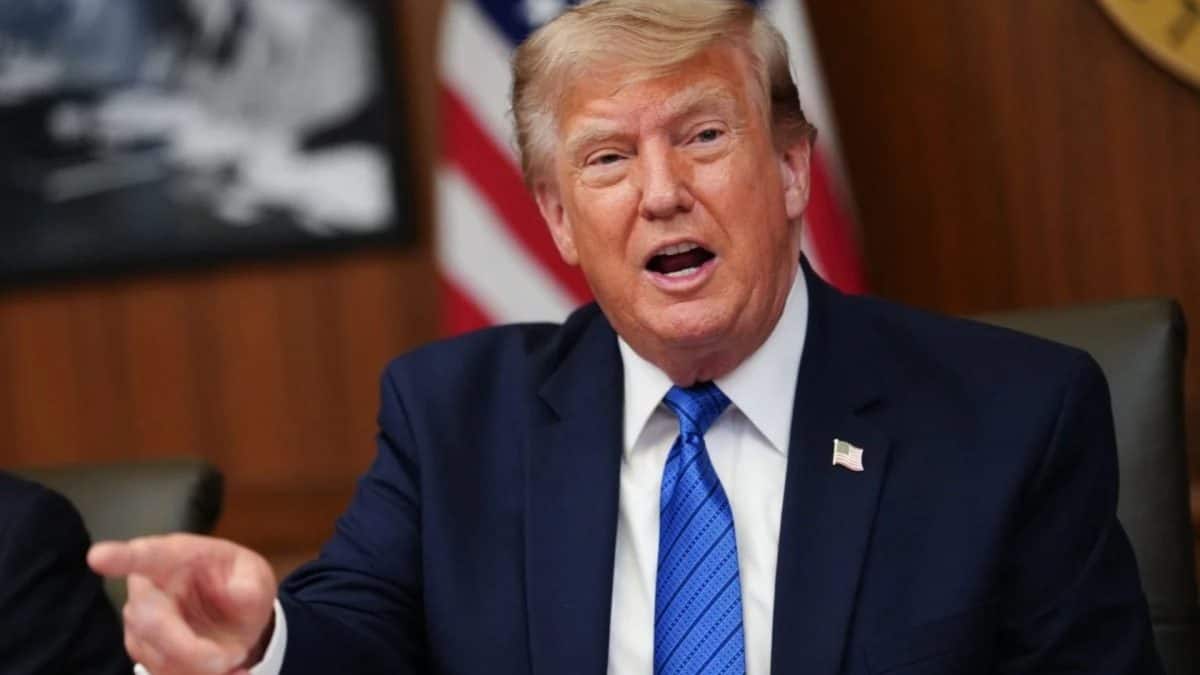
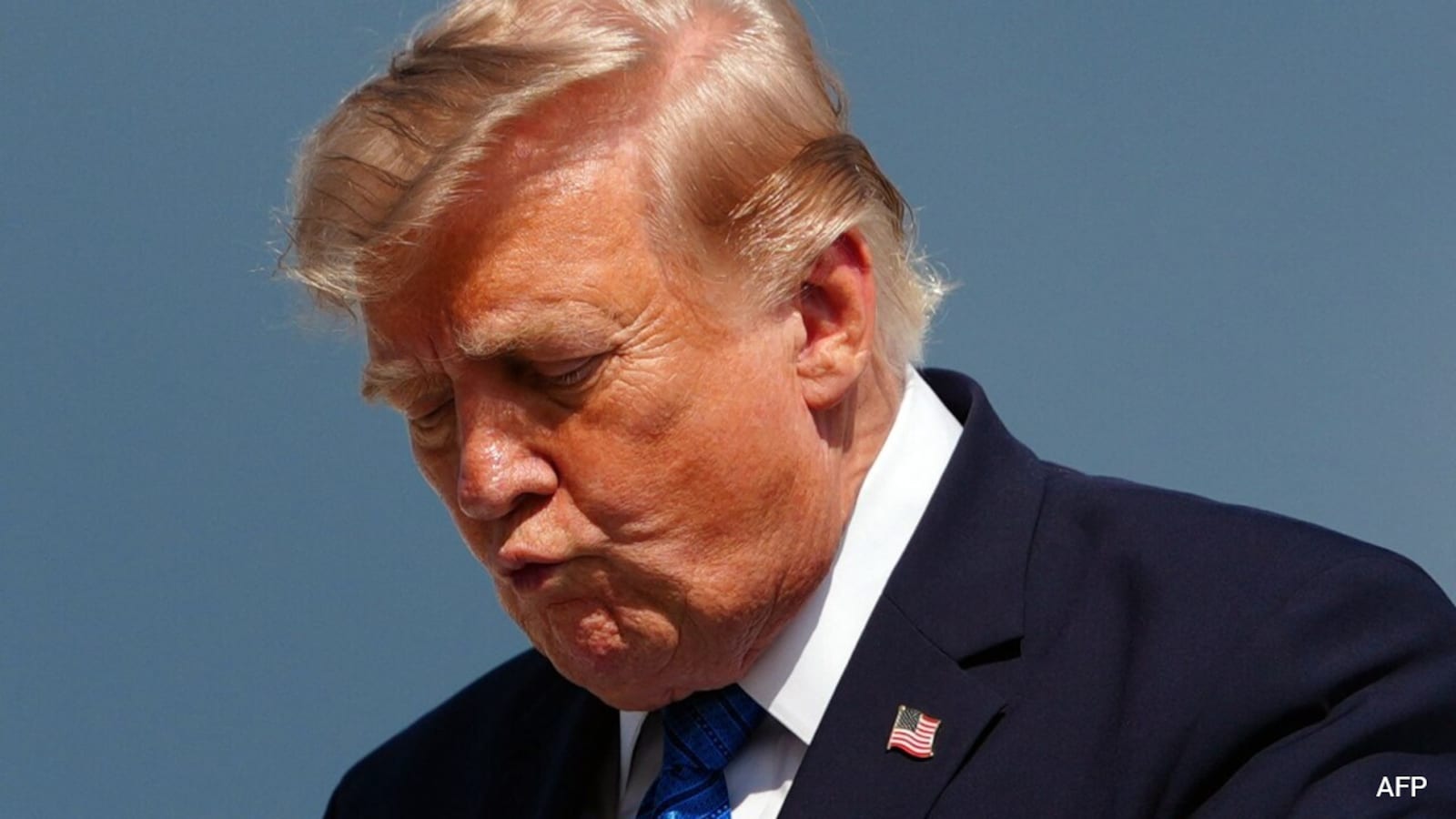
The Trump administration has sanctioned judges and other court officials and says it wants to weaken the court.
Japan, which belongs to the court and provides much of its funding, criticized the sanctions.
European leaders and the court have also defended the court's independence.

The Trump administration says it wants to make the International Criminal Court unable to act against Americans and nationals of other non-member countries.
Washington argues that the International Criminal Court lacks authority over citizens of countries, including the United States and Israel, that have not joined the Rome Statute.
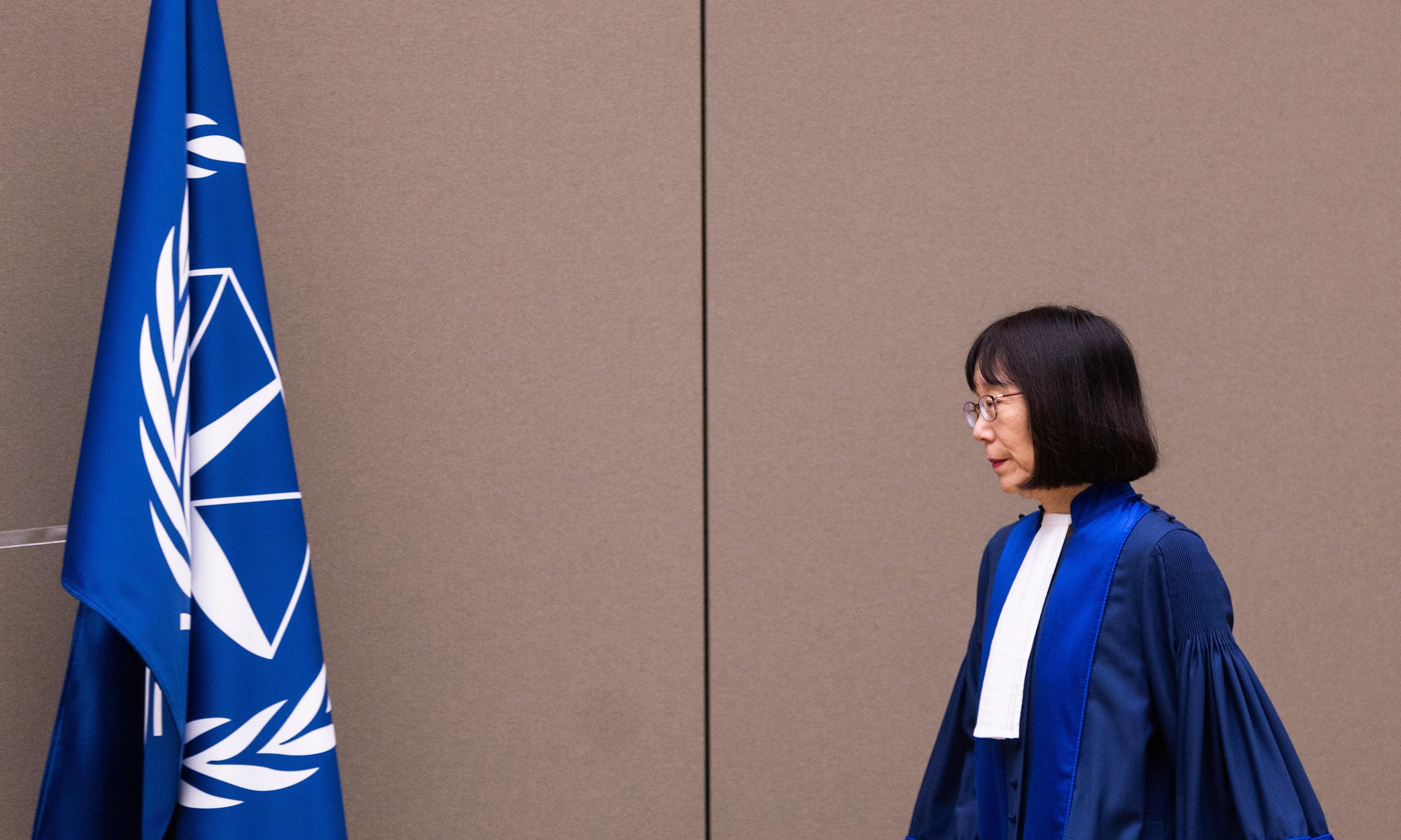
The United States sanctioned International Criminal Court President Judge Tomoko Akane and Senior Trial Lawyer Abdoulaye Seye, bringing nine of the court's 18 sitting judges under US sanctions.
Japan called the sanctions against Akane "very unfortunate" and reaffirmed its support for the court and international rule of law.
The dispute intensified after the International Criminal Court issued arrest warrants for Benjamin Netanyahu and Yoav Gallant over alleged crimes connected to the Gaza conflict.
- Who
- The Trump administration, the International Criminal Court, Japan, and European supporters of the court are involved; key individuals include Tomoko Akane, Marco Rubio, Benjamin Netanyahu, and Yoav Gallant.
- What
- The United States is imposing sanctions and seeking to weaken or dismantle the International Criminal Court, while Japan and others are defending it.
- Where
- The dispute concerns the Hague-based International Criminal Court and its activities involving the United States, Israel, Palestine, and other countries.
- When
- The conflict intensified after arrest warrants issued in November 2024; Akane became the court's president in March 2024, and Japan's response to the latest sanctions was reported on Wednesday.
- Why
- The United States says the court is exceeding its authority over nationals of non-member countries and threatening national sovereignty, while supporters say its jurisdiction and independence must be protected.
US Sovereignty Argument
ICC Supporters' Argument
Jurisdiction over non-members
US Sovereignty Argument
The United States argues that the International Criminal Court has no authority to investigate, arrest, detain, or prosecute nationals of countries that have not accepted its jurisdiction.
ICC Supporters' Argument
The International Criminal Court says nationality does not automatically shield a person when alleged crimes fall within territory over which the court has jurisdiction, including the Palestine situation.
Sanctions against court officials
US Sovereignty Argument
Washington presents sanctions and pressure on the court as necessary measures against what Secretary of State Marco Rubio called a politicized institution that exceeds its mandate.
ICC Supporters' Argument
The International Criminal Court calls the sanctions a flagrant attack on judicial independence and says threatening judges and prosecutors puts the international legal order and victims at risk.
International support
US Sovereignty Argument
The United States is urging countries to stop funding and participating in the International Criminal Court so it cannot act against nationals of non-member states.
ICC Supporters' Argument
Japan, European leaders, and the International Criminal Court say the institution should continue operating independently under the Rome Statute; Japan has reaffirmed its financial and political support.
Key facts
- US position
- The Trump administration says it wants to systematically dismantle the International Criminal Court until it cannot threaten American sovereignty.
- Treaty membership
- The United States and Israel are not parties to the Rome Statute, which created the International Criminal Court.
- Recent sanctions
- The United States sanctioned International Criminal Court President Judge Tomoko Akane and Senior Trial Lawyer Abdoulaye Seye.
- Judges targeted
- According to the International Criminal Court, nine of its 18 sitting judges have been sanctioned by the United States.
- Japan's contribution
- Japan says it accounted for roughly 15 percent of the court's assessed contributions as of 2024.
- Warrants
- The International Criminal Court issued arrest warrants in November 2024 for Benjamin Netanyahu and Yoav Gallant over alleged war crimes and crimes against humanity connected to the Gaza conflict.
- Sanctions impact
- The measures can freeze US-based assets and largely cut sanctioned individuals off from the US financial system.
Quotes

Marco Rubio
U.S. Secretary of State
“The Trump Administration stands ready to take additional measures, if necessary, to systematically dismantle the ICC until it is incapable of threatening American sovereignty.”
 thestatesman.com
Sources
Related news

Japan Criticizes U.S. Sanctions on ICC, President Akane
US Sanctions ICC President in Latest Trump Escalation

US Sanctions ICC President, Senior Lawyer, Vows Wider Campaign
ICC Chief Warns of International Rule of Law Demise
ICC Says US Sanctions Undermine Rule of Law

US backs Japan sovereignty as Putin visits disputed Northern Territories
Sahel Juntas Face Rising Violence Despite Joint Anti-Jihadist Force

Iran vows resistance, challenges legality of US attack