

2 weeks ago
US Sanctions ICC President in Latest Trump Escalation
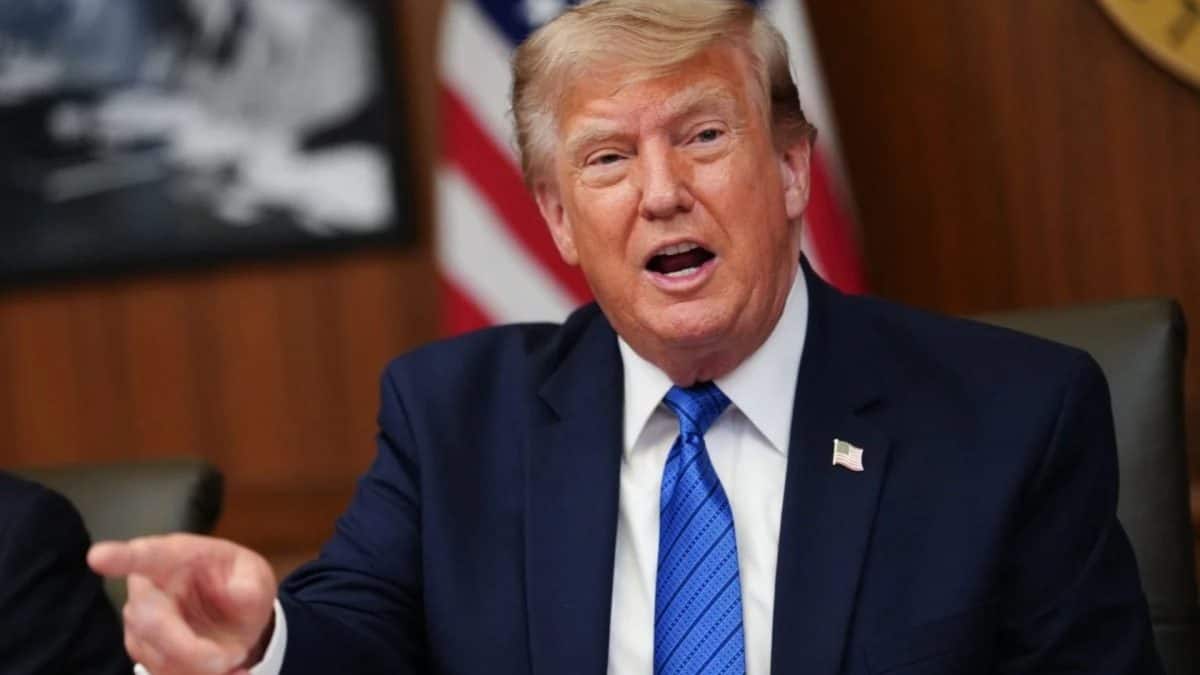
The United States punished two officials from the International Criminal Court, or ICC.
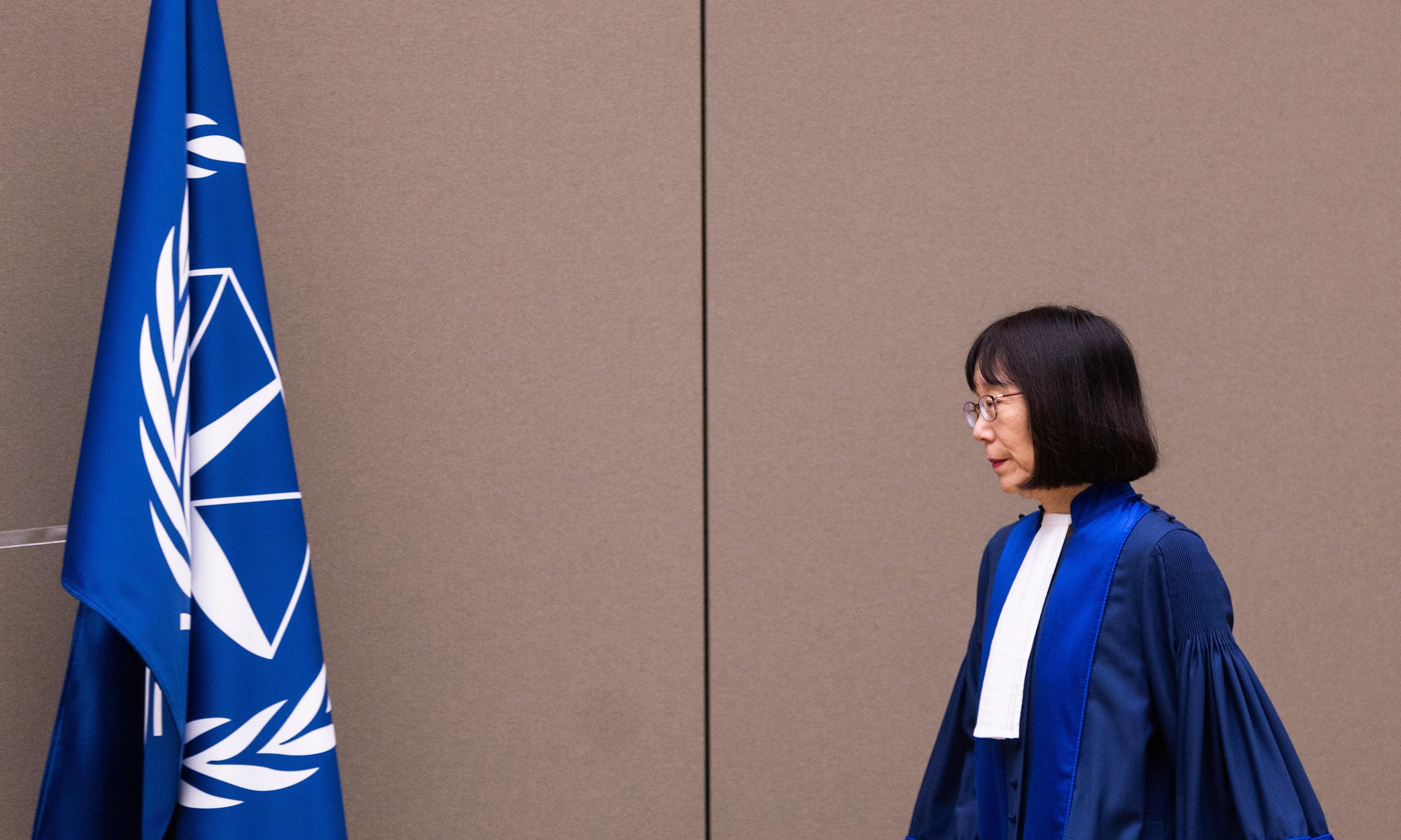
They are ICC President Tomoko Akane and lawyer Abdoulaye Seye.
The U.S. says they helped investigate or prosecute people whose countries had not agreed to the court’s authority.
The sanctions can freeze money the officials have in the United States.
They can also make it harder for them to use the U.S. financial system.
The U.S. has criticized ICC cases involving Israeli officials and U.S. troops in Afghanistan.
The ICC says punishing judges and lawyers threatens the rule of law.
The Trump administration says it wants to protect American personnel and Israeli Prime Minister Benjamin Netanyahu from prosecution.
The administration also plans to encourage other countries to leave the court.

The United States sanctioned ICC President Tomoko Akane and senior trial lawyer Abdoulaye Seye on August 18.
Secretary of State Marco Rubio accused them of pursuing officials whose governments had not accepted ICC jurisdiction.
The sanctions can freeze their U.S.-based assets and restrict access to the U.S. financial system.
Washington cited ICC cases involving Israeli officials and a past investigation into U.S. troops in Afghanistan.
The Trump administration says it will intensify pressure on the ICC, while the court says the sanctions threaten the rule of law.
- Who
- The United States, Secretary of State Marco Rubio, ICC President Tomoko Akane, and senior trial lawyer Abdoulaye Seye.
- What
- The United States imposed sanctions on Akane and Seye under an executive order targeting ICC officials.
- Where
- The sanctions target officials of the Hague-based International Criminal Court and affect their access to the U.S. financial system.
- When
- Tuesday, August 18; the articles do not specify the year.
- Why
- The U.S. says the officials supported ICC efforts to investigate, arrest, detain, or prosecute officials whose governments had not consented to ICC jurisdiction.
U.S. administration
International Criminal Court
ICC jurisdiction
U.S. administration
The United States says Akane and Seye helped pursue officials whose governments had not accepted ICC jurisdiction, and it rejects ICC authority over American personnel.
International Criminal Court
The ICC says it can act when a member state is unable or unwilling to prosecute serious crimes, including certain crimes committed in a member state by nationals of non-member countries.
Purpose of the sanctions
U.S. administration
The Trump administration says the campaign protects U.S. personnel and Israeli Prime Minister Benjamin Netanyahu and others from prosecution it considers politically motivated.
International Criminal Court
The ICC said sanctions against judges, prosecutors, and staff undermine the rule of law and place the international legal order at risk.
Future of the court
U.S. administration
Rubio said Washington would intensify pressure on the ICC, including efforts to persuade other countries to withdraw.
International Criminal Court
The ICC was established to prosecute genocide, war crimes, and crimes against humanity when national legal systems cannot or will not properly handle those cases.
Key facts
- Sanctioned officials
- Tomoko Akane, the ICC president, and Abdoulaye Seye, a senior trial lawyer
- Announcing official
- U.S. Secretary of State Marco Rubio
- Legal authority
- An executive order signed by President Donald Trump the previous year
- Sanctions effect
- U.S.-based assets may be frozen and access to the U.S. financial system restricted
- Transaction wind-down
- The U.S. Treasury authorized transactions involving Akane to be wound down through September 17
- Earlier U.S. measures
- Washington previously sanctioned ICC prosecutors and judges over cases involving Benjamin Netanyahu, Yoav Gallant, and U.S. troops in Afghanistan
- U.S. ICC membership
- The United States has never been a member of the court
Quotes
Secretary of State Marco Rubio
U.S. Secretary of State
“These individuals have directly engaged in efforts by the ICC to investigate, arrest, detain, or prosecute officials whose government has not consented to ICC jurisdiction.”
 firstpost.com
 theprint.in
 livemint.com
“Measures targeting judges, prosecutors and staff who work towards the fulfilment of the mandate that was conferred to the ICC by States undermine the rule of law.”
livemint.com
Sources

Related news

US Sanctions ICC President, Senior Lawyer, Vows Wider Campaign
ICC Chief Warns of International Rule of Law Demise
ICC Says US Sanctions Undermine Rule of Law

Japan Criticizes U.S. Sanctions on ICC, President Akane

US Pushes to Dismantle ICC as Japan Defends Court
US considers new sanctions on Brazilian judge Alexandre de Moraes
Sahel Juntas Face Rising Violence Despite Joint Anti-Jihadist Force

Iran vows resistance, challenges legality of US attack