

1 day ago
Why India’s 2023 Election Commissioner Law Faces Supreme Court Review
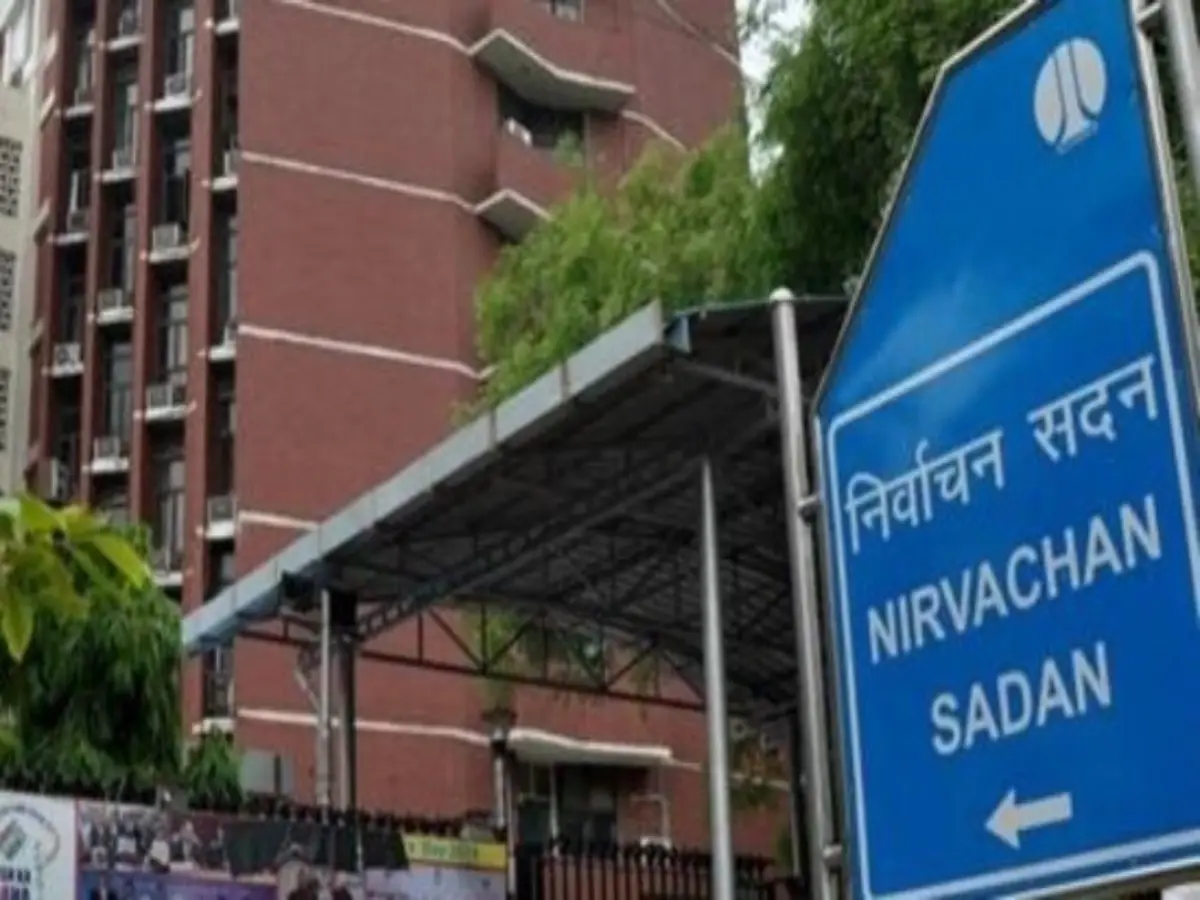
India has a law that explains how its top election officials are chosen.
An earlier Supreme Court ruling temporarily put the Prime Minister, the opposition leader, and the Chief Justice of India on the selection panel.
The 2023 law replaced the Chief Justice with a government minister chosen by the Prime Minister.
Critics say this could give the government too much influence over election appointments.
One judge thought the current two-judge bench could decide whether the law follows the Constitution.
The other judge said the question was new and needed at least five judges.
Because the judges disagreed, they sent the papers to the Chief Justice of India.
The judges also worried that constitutional cases can take many years to finish.

The Supreme Court sent challenges to the 2023 Election Commissioner appointment law to the Chief Justice of India for possible consideration by a Constitution Bench.
The law replaced the Chief Justice of India on the selection panel with a Union Cabinet minister nominated by the Prime Minister.
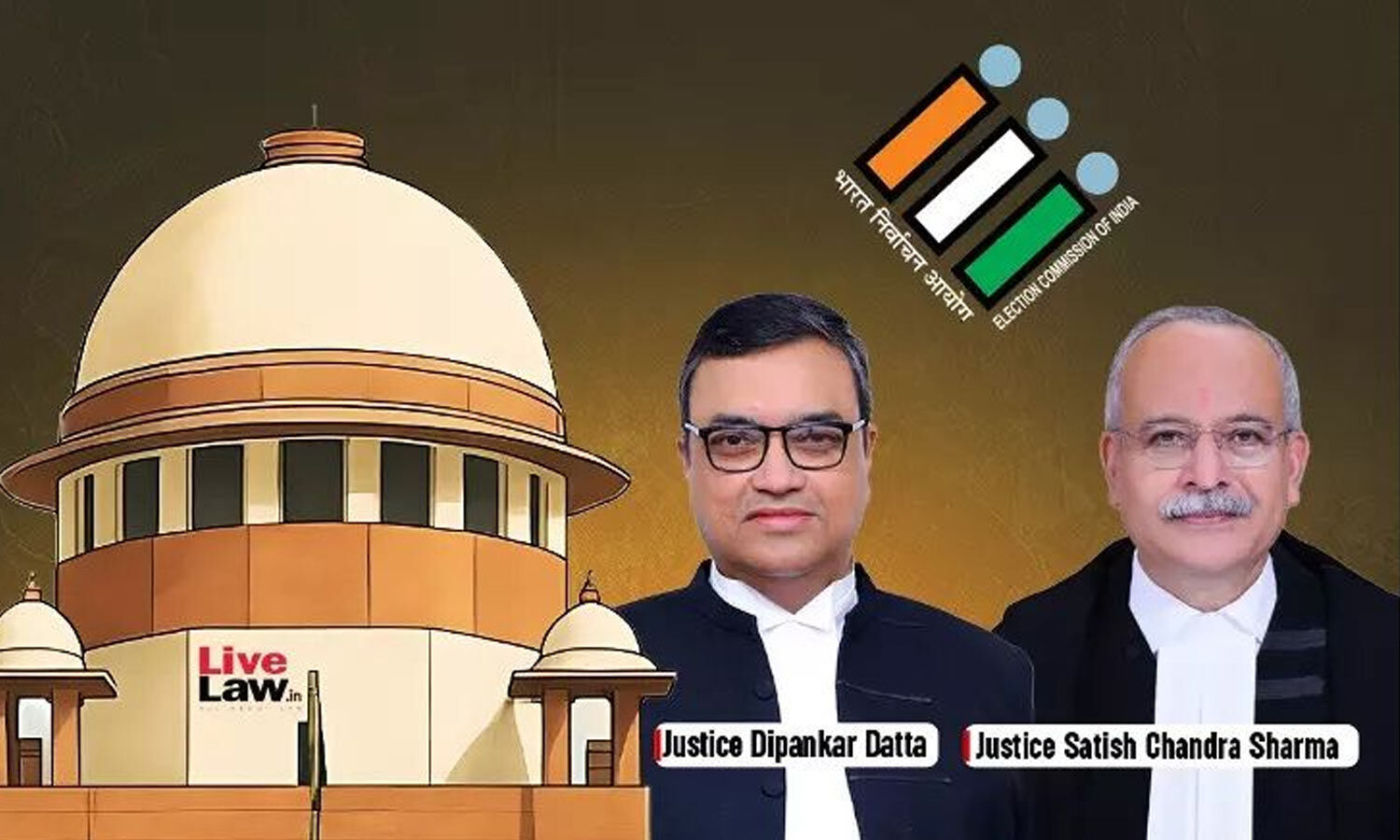
Justice Dipankar Datta said the existing bench could apply constitutional principles established in the Anoop Baranwal ruling.
Justice Satish Chandra Sharma said the law’s validity raised a new constitutional question requiring at least five judges.
The judges bypassed an initial three-judge reference to avoid delay and urged consideration of a permanent Constitution Bench for constitutional cases.
- Who
- Petitioners challenging the 2023 appointment law, the Supreme Court of India, and the Chief Justice of India, who may consider forming a larger bench.
- What
- The Supreme Court referred challenges to the Chief Election Commissioner and Other Election Commissioners (Appointment, Conditions of Service and Term of Office) Act, 2023 for consideration of a Constitution Bench.
- Where
- The Supreme Court of India.
- When
- The referral occurred on a Wednesday; one report identifies it as September 23, while another does not give a specific date.
- Why
- The petitions question whether replacing the Chief Justice of India with a Union Cabinet minister gives the executive excessive influence and whether the law requires an authoritative constitutional ruling.
Arguments challenging the law
Arguments supporting the law’s consideration
Executive influence
Arguments challenging the law
Petitioners and opposition parties argue that the Prime Minister and a government-nominated Cabinet minister hold two of the three seats, giving the executive overwhelming influence and making the opposition leader’s role largely ornamental.
Arguments supporting the law’s consideration
The government has defended its position through arguments involving separation of powers and comparisons with the judicial collegium system; those arguments remain for judicial examination.
Need for a larger bench
Arguments challenging the law
The petitioners argue that the Anoop Baranwal ruling already established the principle that Election Commission appointments cannot remain under exclusive executive control, so the present bench could apply that principle.
Arguments supporting the law’s consideration
Justice Sharma held that the constitutional validity of the 2023 Act had not previously been authoritatively decided and that Parliament’s exclusion of a neutral selector raised a new substantial constitutional question requiring at least five judges.
Independence and public confidence
Arguments challenging the law
Justice Datta said election officials must not only be independent but must also appear independent, and observed that the challenge to executive influence appeared to have substance on a preliminary view.
Arguments supporting the law’s consideration
The government’s comparison with judicial appointments presents executive participation in selection processes as a relevant consideration, although Justice Datta rejected the comparison as unpersuasive.
Key facts
- Disputed law
- Chief Election Commissioner and Other Election Commissioners (Appointment, Conditions of Service and Term of Office) Act, 2023.
- Selection panel under the law
- The Prime Minister, a Union Cabinet minister nominated by the Prime Minister, and the Leader of the Opposition in the Lok Sabha.
- Earlier mechanism
- In Anoop Baranwal v. Union of India, the Supreme Court provided an interim panel consisting of the Prime Minister, the Leader of the Opposition, and the Chief Justice of India.
- Judicial disagreement
- Justice Dipankar Datta said the existing bench could decide the matter; Justice Satish Chandra Sharma said a Constitution Bench was necessary.
- Constitution Bench
- Under Article 145(3), at least five judges decide substantial constitutional questions involving interpretation of the Constitution.
- Reason for bypassing three judges
- The judges said an initial referral to a three-judge bench would cause further delay and would not serve the purpose of resolving the issue.
- Election Commission dispute
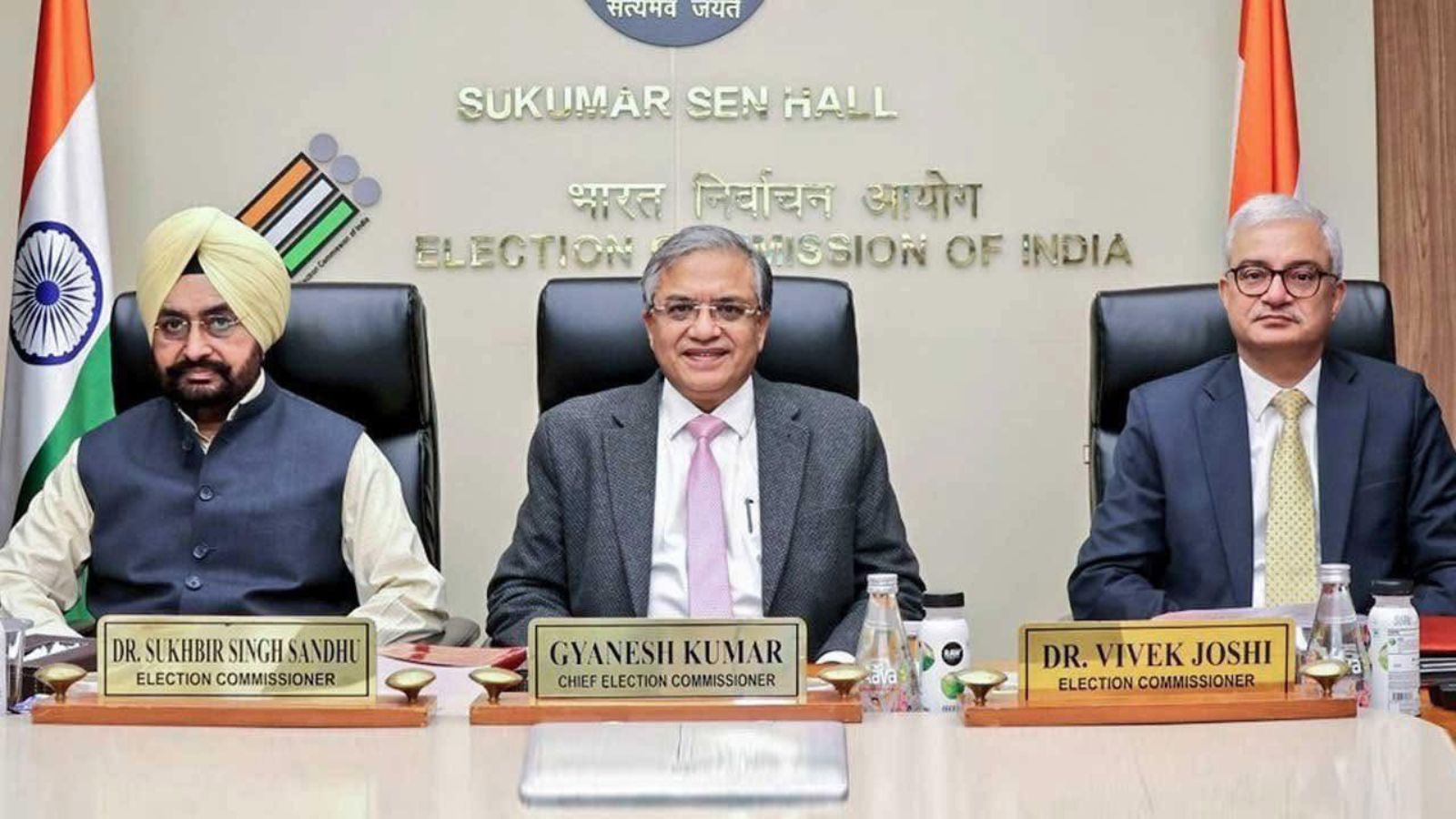
- A report said Election Commissioners Sukhbir Singh Sandhu and Vivek Joshi objected 14 times over ten months to decisions and processes associated with CEC Gyanesh Kumar’s Special Intensive Revision of electoral rolls, which reportedly affected roughly 13 crore voters.
Quotes
Justice Satish Chandra Sharma
Supreme Court judge who supported referral to a Constitution Bench
“Thus, we direct that the papers be placed before the CJI for considering the desirability of constituting a constitution bench of such number of judges to decide the question of vires of Sec 7 and the other provisions of Act,”
 wionews.com
“There is no authoritative decision of this court till date pronouncing on the constitutional validity of the said Act.”
 indianexpress.com
Sources
Related news
Supreme Court Split Over Election Commissioner Appointment Law Reference
Supreme Court Split Over CEC Appointment Larger Bench
Supreme Court Splits Over Larger Bench for Election Law
Supreme Court Splits Over Larger Bench For CEC Law
Supreme Court Split Tests Election Commission Appointment Law

Supreme Court Refers Election Commission Appointment Law to Larger Bench

BJP Allies Seek Clarity From Election Commission Over Voter Lists

Election Commission Row Intensifies Over Gyanesh Kumar and Reforms

Opposition Protests Demand Gyanesh Kumar’s Removal
Petitioner Seeks Probe Into Election Commission Decisions Under Gyanesh Kumar

Congress MLAs Protest Against Election Chief in J&K Assembly
