1 week ago
Iran War Disrupts Gulf Entertainment, Sports and Tourism Economy
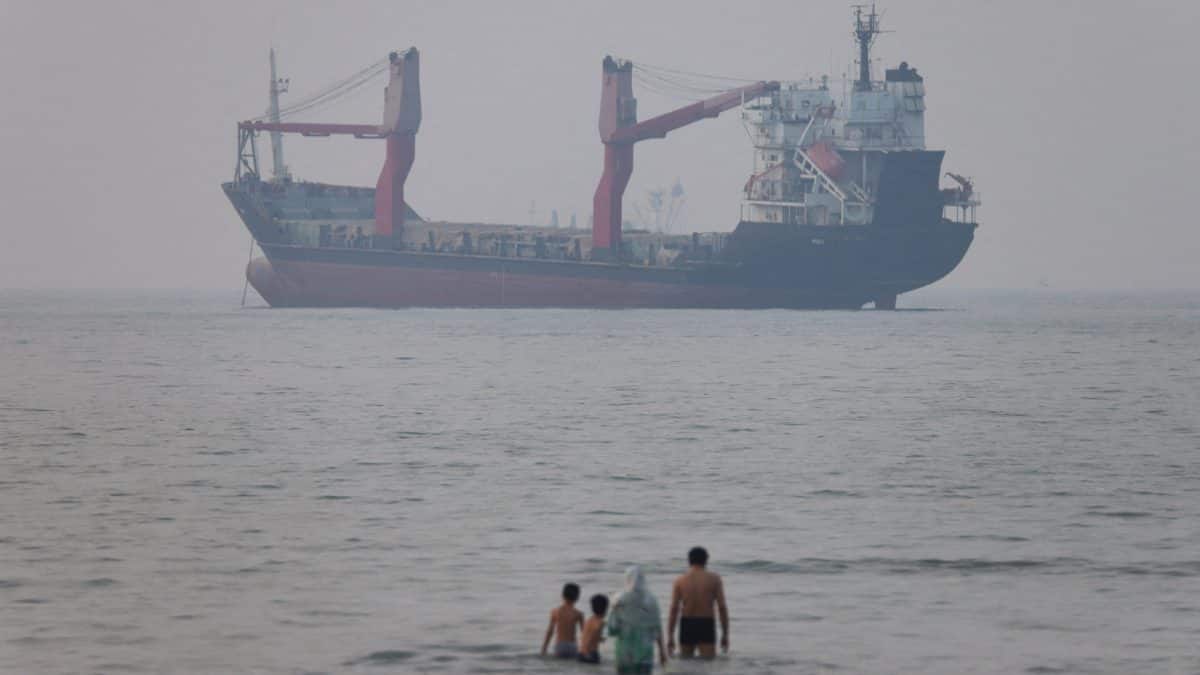
The conflict involving Iran is making it harder for people to travel around the Gulf.
Some concerts and sports races have been cancelled, postponed or moved to other countries.
A music festival in Abu Dhabi featuring Shakira was cancelled until 2027.
Shakira’s concert in Doha was postponed, but another Abu Dhabi concert remained scheduled.
Many flights at Gulf airports were cancelled or reduced.
This hurts hotels, restaurants, airlines and other businesses that depend on visitors.
The Bahrain Formula 1 race was moved to Malaysia instead of being held in Bahrain.
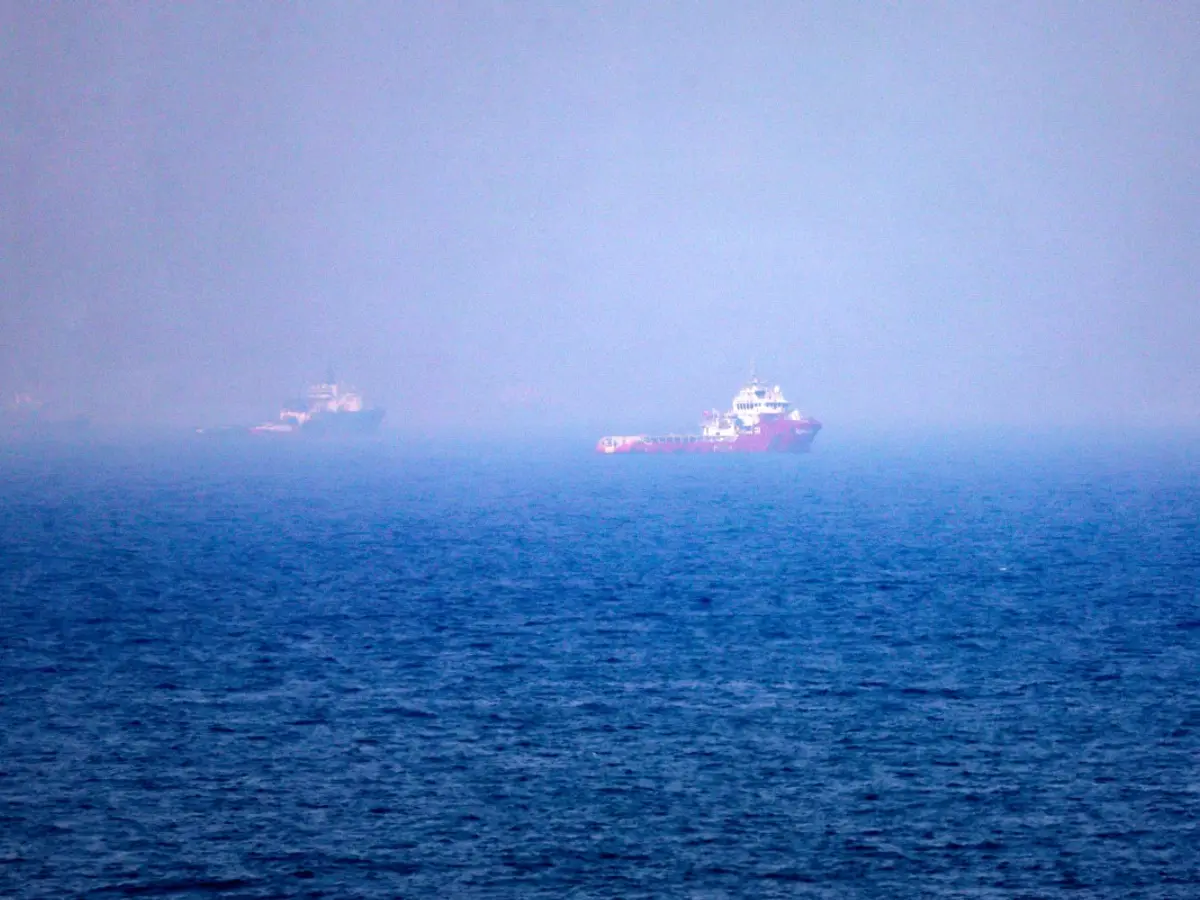
Shipping through the Strait of Hormuz has also fallen sharply.
Gulf countries still expect tourism to grow over the long term, but the conflict is testing how well their economies can handle sudden disruptions.

Abu Dhabi cancelled the 2026 Offlimits festival, which was to be headlined by Shakira, and promised ticket refunds.
Shakira’s Doha concert was postponed to November, while Christina Aguilera’s Abu Dhabi concert remained scheduled for September 25.
WTTC forecasts Middle East Travel & Tourism GDP will fall 14.5% in 2026 because of conflict-related travel disruption.
F1 moved the Bahrain Grand Prix from Bahrain to Malaysia after the Bahrain and Saudi Arabian races were called off in April.
The UAE suspended economic and financial dealings with Iran after alleging missile launches, while Iran rejected the accusation.
- Who
- Gulf governments, airlines, event organisers, international artists, sports organisations, travellers and businesses are affected; the UAE and Iran are also involved in a dispute over alleged missile launches.
- What
- The conflict has disrupted concerts, Formula 1 races, flights, shipping and UAE-Iran commercial relations, putting pressure on Gulf tourism and economic-diversification plans.
- Where
- Across the Gulf, particularly the United Arab Emirates, Qatar, Bahrain and Saudi Arabia, as well as the Strait of Hormuz and Malaysia.
- When
- The reported disruptions occurred during 2026, with key announcements and data reported on August 6, August 18, August 20 and August 21.
- Why
- Regional security concerns have affected airspace, travel flows, maritime traffic and commercial ties, reducing the reliability of international events and tourism.
Security and disruption concerns
Responses and longer-term outlook
Missile incident and UAE-Iran dealings
Security and disruption concerns
The UAE said its defence ministry detected two ballistic missiles launched from Iran and assessed that they targeted maritime traffic, prompting the suspension of economic and financial dealings with Iran.
Responses and longer-term outlook
Iran rejected the UAE’s allegation as baseless.
Diversification strategy
Security and disruption concerns
The cancellations, flight reductions, race relocation and shipping disruption show how geopolitical shocks can threaten Gulf investments in tourism, entertainment and sport.
Responses and longer-term outlook
WTTC’s longer-term forecast remains positive, projecting strong Travel & Tourism growth through 2036, with Saudi Arabia, the UAE, Oman and Qatar among the main drivers.
Key facts
- Offlimits festival
- The 2026 Abu Dhabi edition, scheduled for November 21 and headlined by Shakira, was cancelled; organisers said it would return in 2027 and tickets would be refunded.
- Tourism forecast
- WTTC expects Middle East Travel & Tourism GDP to contract 14.5%, from $386 billion in 2025 to $330 billion in 2026.
- Flight disruption
- IATA said about 85% of flights arriving at or departing from Gulf airports were cancelled during the first seven days of March.
- UAE tourism exposure
- Travel & Tourism contributes 11.9% of UAE GDP and supports 13.6% of total employment, according to WTTC.
- F1 relocation
- The Bahrain Grand Prix was moved to Sepang International Circuit in Malaysia for October 2-4.
- Hormuz traffic
- Seven commodity ships passed through the Strait of Hormuz on August 21, down from 14 the previous day, according to Kpler data cited by Reuters.
- Long-term outlook
- WTTC projects Middle East Travel & Tourism will grow 6.3% annually from 2026 to 2036, reaching $605 billion by 2036.
Sources
Related news

Dubai Airport Traffic Falls 31.3% Amid Iran War Disruptions
Qatar Slashes Budgets as US-Iran Conflict Hits Economy
Global Economy Weathers Six Months of US-Israel War

UAE Halts Iran Trade After Missile Escalation, Billions at Stake
Six Months Into Iran War, No Winners and Global Costs
Six Months Into Iran War, Political and Economic Costs Mount
Iran Seizes Fuel-Smuggling Vessel in Gulf, Arrests 11 Crew
Trump Floats Renaming Strait of Hormuz as “Trump Strait”

Chevron Plans $7 Billion Venezuela Expansion Amid U.S. Oil Push
Saudi Tanker Hit in Hormuz, Killing Two Filipino Sailors

U.S.-Iran Exchange Escalates Across Middle East, Markets Slide