0 months ago
Pune RTA Approves Autorickshaw Fare Hike from September 1
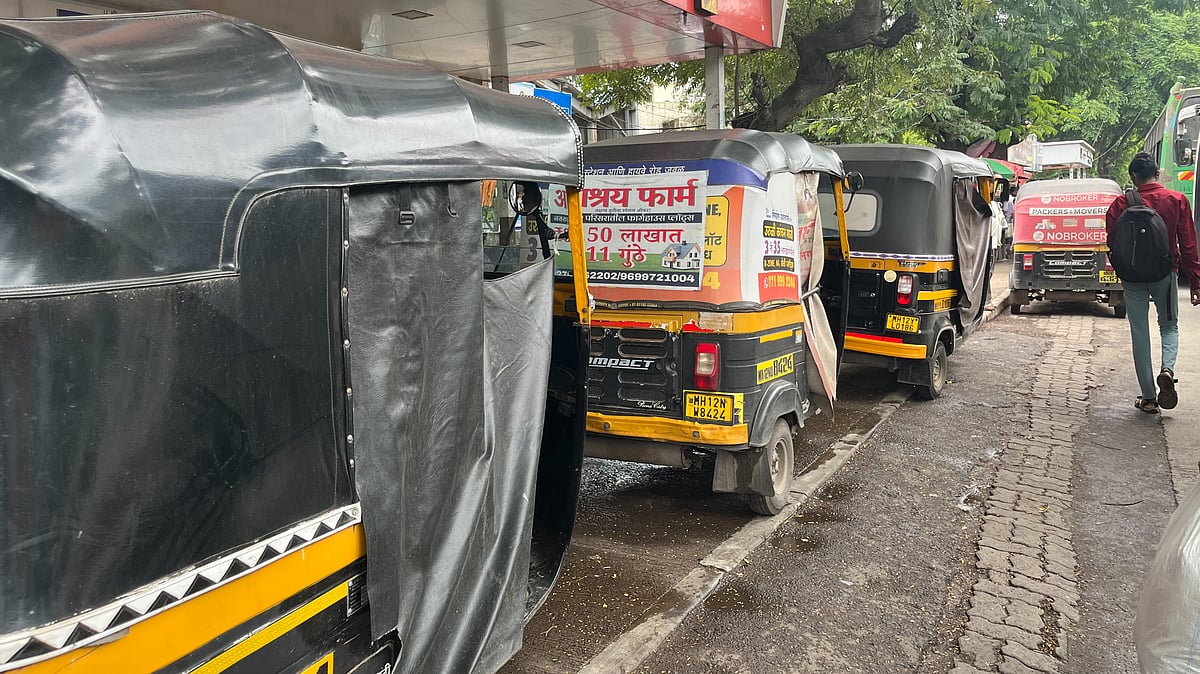
Autorickshaws are three-wheeled vehicles that carry people around cities in India.
In Pune, a big city in India, riding in an autorickshaw will soon cost more money.
The Regional Transport Authority, the government office that controls autorickshaws, approved the higher fares.
A short ride that used to cost at least 25 rupees will now cost at least 30 rupees.
Every extra kilometre will cost 20 rupees instead of 17.
Drivers asked for this change because fuel, spare parts, and repairs have become more expensive.
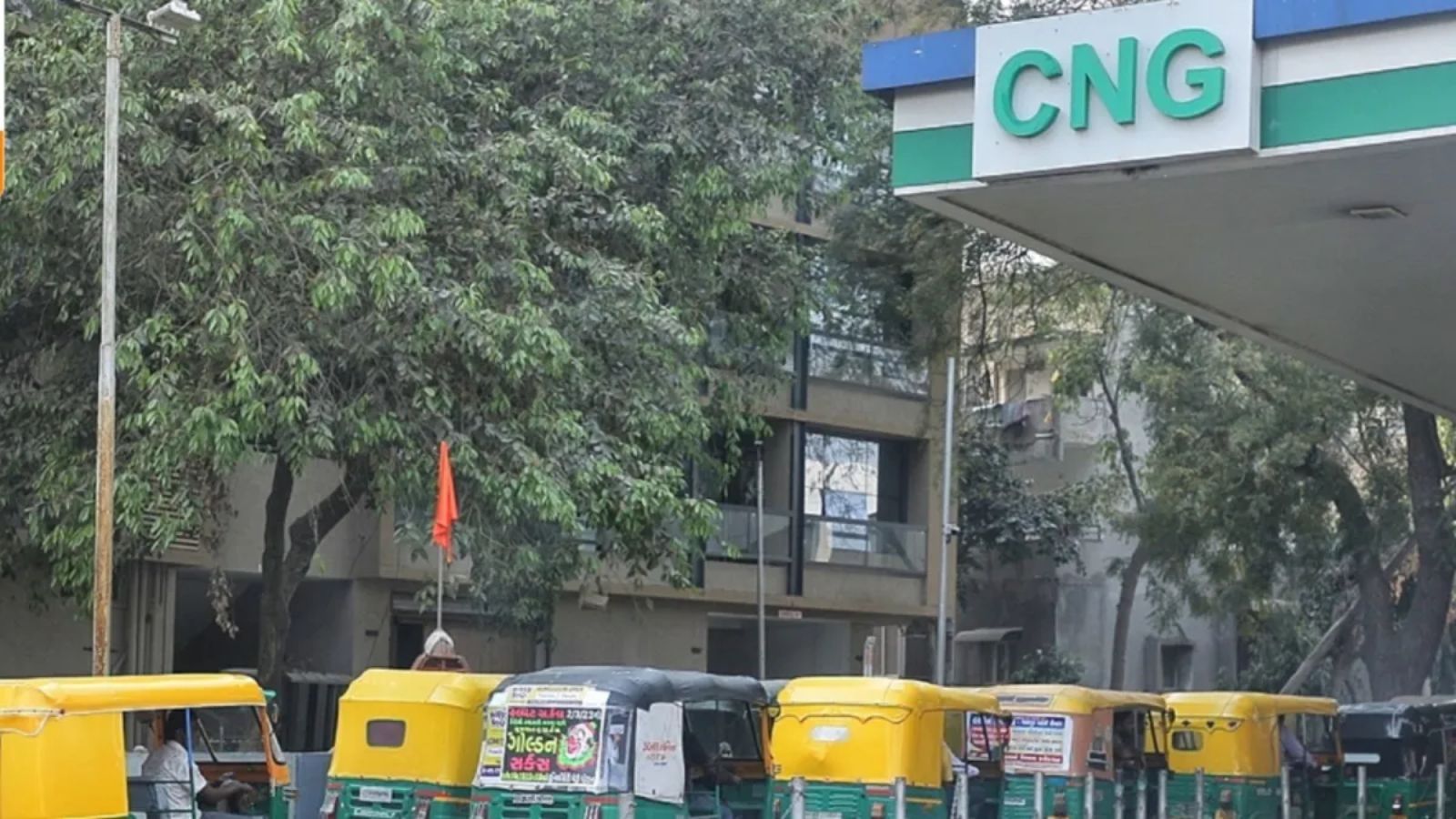
The fuel autos use, called CNG, now costs about 91 rupees per kilogram in Pune.
Many drivers are happy about the new fares, which take effect on September 1.
Some passengers are worried rides will become too costly for them.
They want the meters checked and fixed correctly so nobody is overcharged.

Pune's Regional Transport Authority (RTA) approved an autorickshaw fare revision effective September 1.
The minimum fare for the first 1.5 kilometres rises from Rs 25 to Rs 30.
The charge for every additional kilometre increases from Rs 17 to Rs 20.
The new structure follows Khatua Committee recommendations, with the last revision in August 2022.
Drivers cite rising CNG prices (around Rs 91 per kg) and maintenance costs, while commuters fear higher travel expenses and urge meter recalibration.
- Who
- The Regional Transport Authority (RTA), headed by the district collector, along with autorickshaw unions, drivers, and commuters in Pune district.
- What
- Approval of an autorickshaw fare hike raising the minimum fare from Rs 25 to Rs 30 for the first 1.5 kilometres and the per-kilometre charge from Rs 17 to Rs 20.
- Where
- Pune district, including Pune and Pimpri-Chinchwad.
- When
- The revised fares are expected to be implemented from September 1.
- Why
- Autorickshaw unions cited rising operational costs, including vehicle maintenance, fuel, and CNG prices, which have increased since the last fare revision in August 2022.
Drivers and Unions
Commuters and Passengers
Need for Fare Hike
Drivers and Unions
Autorickshaw unions and many drivers say the hike is long overdue because operating costs, vehicle maintenance, fuel, and CNG prices have risen since August 2022.
Commuters and Passengers
Commuters say the burden should not be passed to passengers and want the government to reduce CNG prices or provide subsidies instead.
Impact on Ridership
Drivers and Unions
Some drivers, like Salmi Shaheed and Husan Shake, fear a Rs 30 minimum fare may push passengers toward bike taxis and app-based cabs, reducing their income.
Commuters and Passengers
Commuters say the hike will make many people switch to buses or shared transport, as travel and daily expenses are already high.
Fair Charging and Enforcement
Drivers and Unions
Drivers welcomed the fare increase as recognition of their higher costs and said maintenance and fuel eat into their earnings.
Commuters and Passengers
Passengers urged authorities to recalibrate meters, ensure ride-hailing platforms update fare calculations, and crack down on overcharging.
Key facts
- New minimum fare (first 1.5 km)
- Rs 30 (up from Rs 25)
- Charge per additional kilometre
- Rs 20 (up from Rs 17)
- Effective date
- September 1
- Last fare revision
- August 2022
- Approving body
- Regional Transport Authority (RTA)
- Recommendation basis
- Khatua Committee
- CNG price in Pune
- Around Rs 91 per kg
Quotes
Nitin Lokhande
Autorickshaw driver near Pune Station
“"Personally, I feel ₹25 was enough. If the minimum fare becomes ₹30, many passengers may think twice before taking an auto, especially for short distances."”
 freepressjournal.in
“"For me, ₹30 as the minimum fare is acceptable. It is not a huge benefit, but at least it is a small step."”
freepressjournal.in
Sources

Related news
Pune Commuters Face Auto Fare and CNG Price Hikes

Mumbai Taxi and Auto Fares Rise From September 1
Mumbai Auto-Taxi Fare Hike Draws Commuter, Union Concerns

Mumbai Auto-Taxi Fares Rise, Minimum Rates Begin September 1
Mumbai CNG Rise Coincides With Higher Auto, Taxi Fares

Mumbai Metropolitan Region Raises Auto-Rickshaw and Taxi Fares
Supriya Sule Challenges Maharashtra Government Over Pune Issues
Drunk Driver Challenges Pimpri-Chinchwad Police After Pune Accident
CNG Prices Rise Rs 2 per Kilogram in Pune
Two Die in Nigdi BSNL Duct as Cable Theft Probe