

2 hrs ago
Tata Sons Board Reappoints Chandrasekaran, Testing Shareholder Power
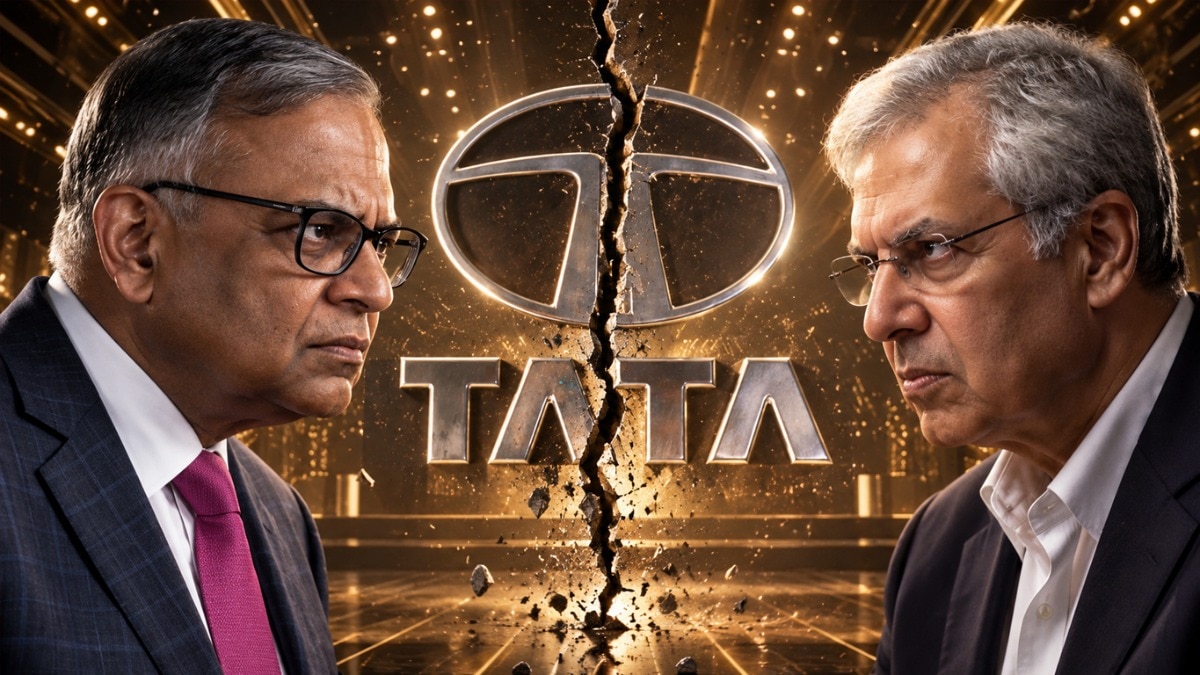
Tata Sons is the company that owns parts of many Tata Group businesses.
Its board has chosen to give chairman N. Chandrasekaran another five years in the job.
But Tata Trusts, which owns most of Tata Sons, does not agree with that choice.
The board’s decision still needs approval from shareholders at a meeting.
This means Tata Trusts will get an important say in what happens next.
The disagreement has raised a big question: should the board, or the biggest shareholder, have the final say?
There are also other disagreements involving Tata Sons’ possible listing and the trusts’ ability to meet.
The outcome could affect how other large companies think about board and shareholder powers.

Tata Sons’ board approved N. Chandrasekaran’s reappointment for another five years on September 17, with Noel Tata dissenting.
Tata Trusts, which owns 66% of Tata Sons, opposes the reappointment; it requires approval at a shareholder meeting.
Chandrasekaran had said in August he would step down when his term ends on February 20, after Noel Tata opposed a third term.
The dispute raises questions about board authority, directors’ fiduciary duties and the influence of a controlling shareholder.
The article says an order affecting Sir Ratan Tata Trust meetings and an RBI direction to list Tata Sons add to uncertainty.
- Who
- Tata Sons’ board, N. Chandrasekaran and Tata Trusts, chaired by Noel Tata.
- What
- The board approved Chandrasekaran’s reappointment for five years, which Tata Trusts opposes and shareholders must approve.
- Where
- Tata Sons, the unlisted holding company of the Tata Group, in India.
- When
- The board acted on September 17; Chandrasekaran’s term ends February 20. The article is dated October 2, 2026.
- Why
- The board selected Chandrasekaran for another term despite Noel Tata’s objections, prompting a dispute over board authority and shareholder power.
Board authority
Controlling shareholder
Who should determine the chairman’s reappointment?
Board authority
The board approved Chandrasekaran’s new term, with supporters pointing to directors’ fiduciary responsibility to the company.
Controlling shareholder
Noel Tata and Tata Trusts oppose the reappointment; as 66% shareholder, Tata Trusts must have a say in the required shareholder approval.
How independent should directors be?
Board authority
Independent directors should make unbiased decisions in the interests of the corporation, even when those decisions differ from a shareholder’s wishes.
Controlling shareholder
Advisers and commentators warn that a board majority overriding a controlling shareholder could set a troubling precedent and sideline shareholder interests.
Key facts
- Tata Trusts’ stake
- 66% of Tata Sons
- Board decision
- Four board members approved Chandrasekaran’s reappointment; Noel Tata dissented.
- Proposed term
- Five years
- Current term ends
- February 20
- Tata Sons status
- Unlisted holding company of the Tata Group
- RBI action
- On September 11, the Reserve Bank of India asked Tata Sons to get listed after rejecting its exemption application.
- Trust order
- In May, Maharashtra Charity Commissioner Amogh Kaloti blocked Sir Ratan Tata Trust from convening board meetings or passing resolutions.
Quotes
Swapnil Kothari
Senior corporate lawyer and Managing Partner of S. Kothari & Co.
“As a fundamental canon of corporate jurisprudence, the board manages a company, whereas the company manages the shareholders.”
 businesstoday.in
“The Tata Group has a reputation of being trust builders and it is one earned over time. That has now taken a hit.”
businesstoday.in
Sources
Related news
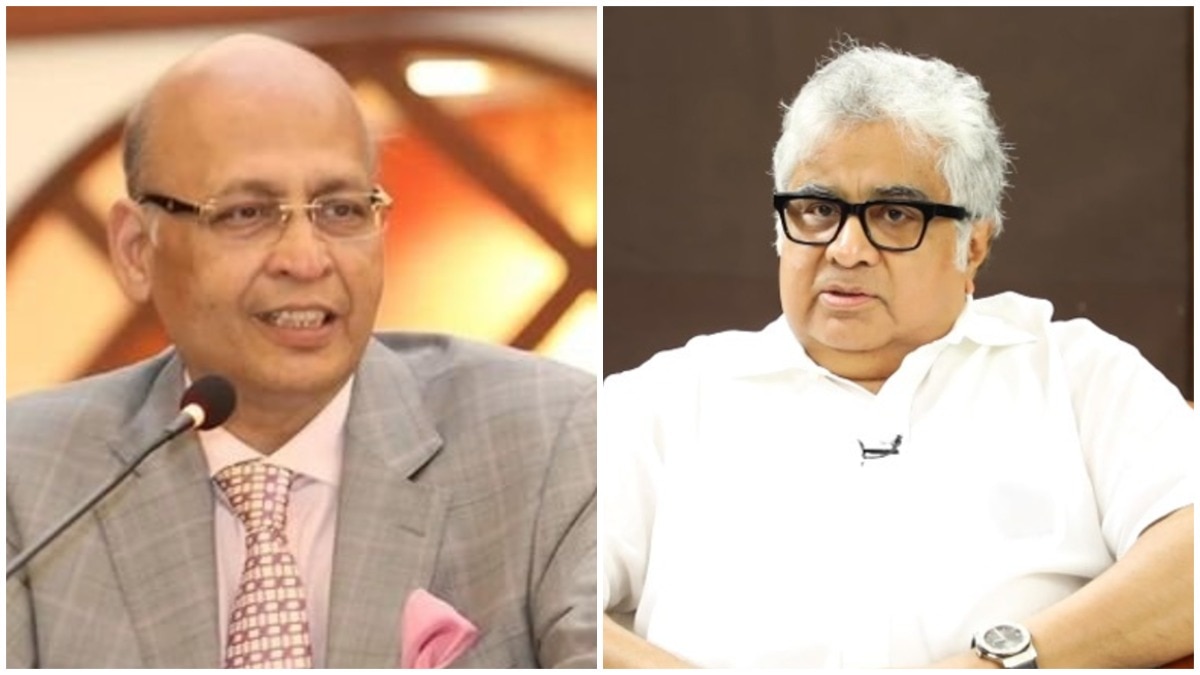
Tata Sons Board and Trusts Clash Over Chandrasekaran’s Future
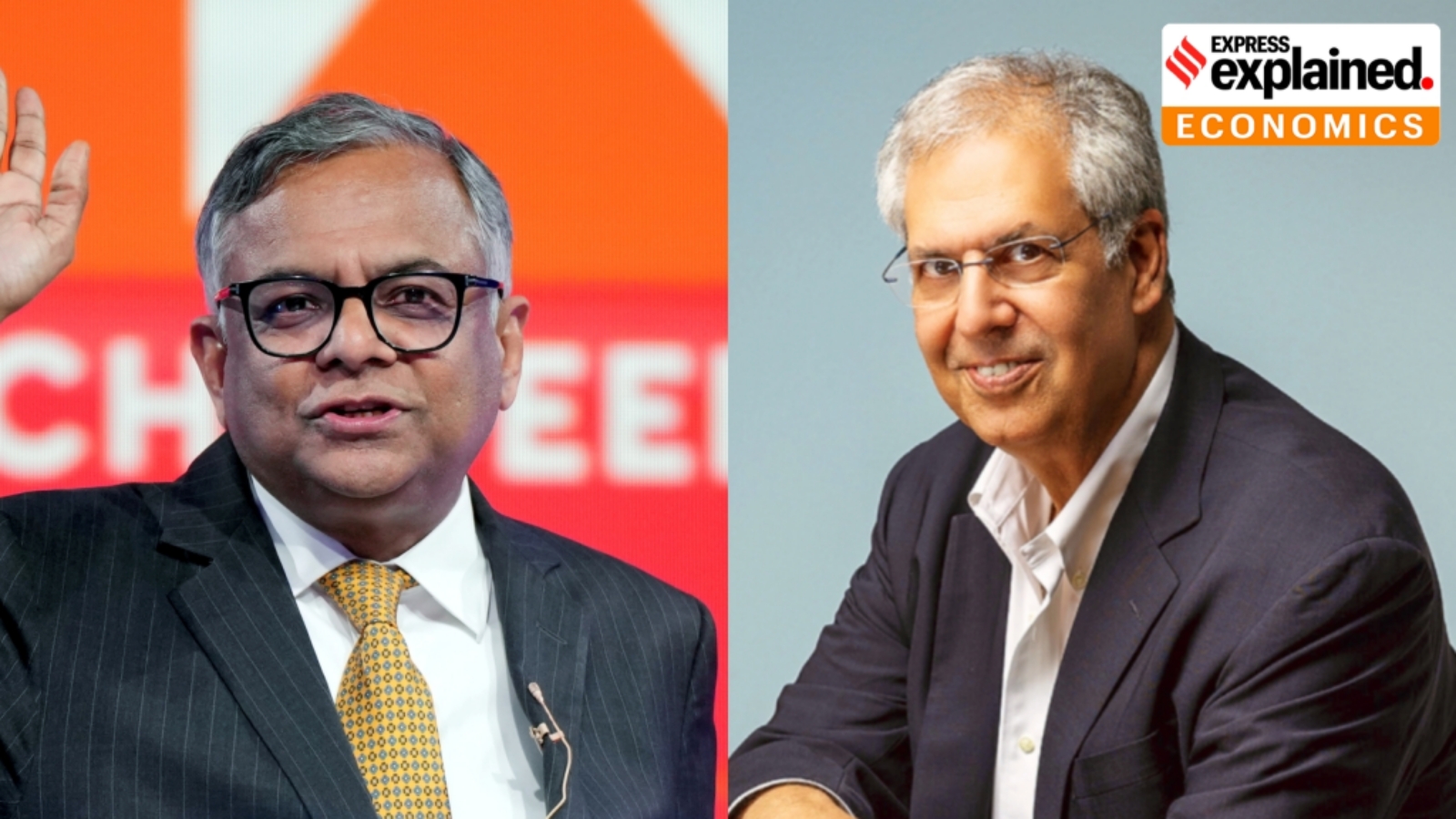
Tata Sons Board Reappoints Chandrasekaran Amid Trusts Challenge
Tata Dispute Prompts Indian Companies to Reassess Shareholder Rights

Tata Boardroom Battle Centers on Veto, Listing and Leadership
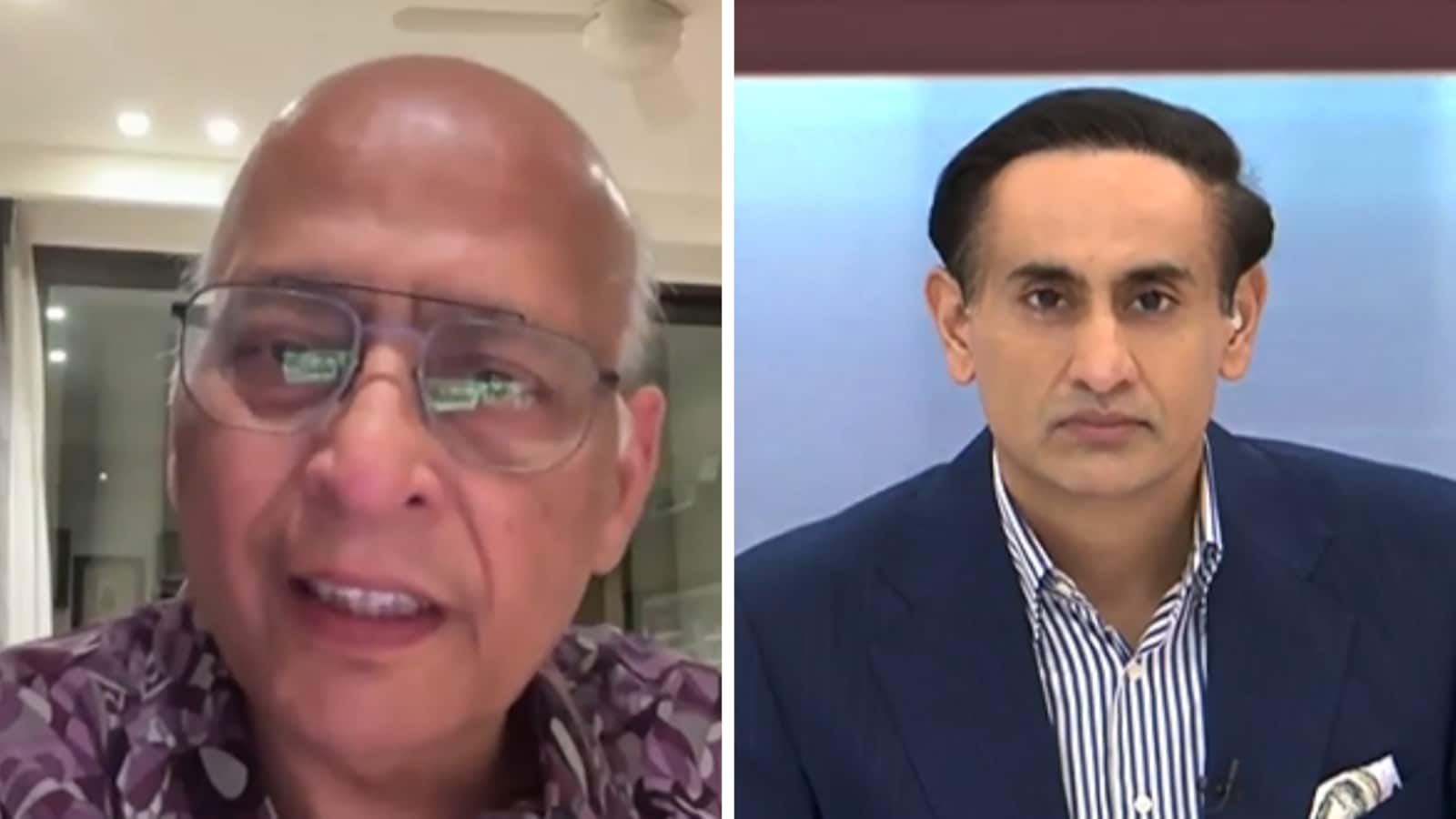
Tata Trusts Lawyer Challenges Tata Sons Board Reappointment Decision

Tata Sons Board Backs Chandrasekaran Amid Trusts Standoff

Tata Sons Chairman Says Energy Security Is Key to Growth
Tata Sons Listing Dispute Draws Attention to Directors’ RBI Roles

Who Is Controlling the Tata Boardroom?
Election Commission Disputes, Tata Tensions and Political Number Plates
