

35 mins ago
Election Commission Disputes, Tata Tensions and Political Number Plates
This column looks at three different stories.
First, it says election commissioners have disagreed with their chief in the past, and asks whether current disagreements were properly discussed and recorded.
The BJP says the reported disagreements were part of normal discussions that ended in agreement.
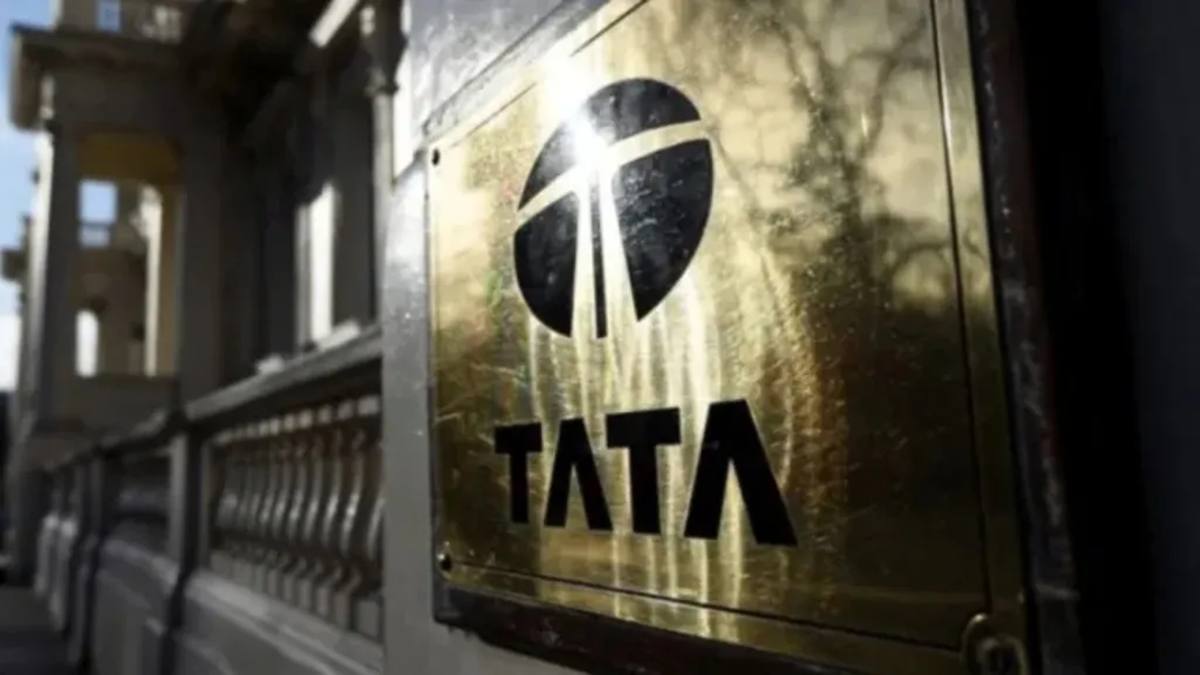
Second, the column describes a dispute involving Tata Sons, its board and Tata trusts.
It reports that the RBI rejected Tata Sons' request to give up a special registration status and that the board reappointed N. Chandrasekaran.
The writer suggests these events may be connected, but that is the column's interpretation.
Finally, the column says some Tamil Nadu politicians have chosen car number plates that refer to future years.
It presents these choices as part of a trend among famous people who like particular numbers.

The BJP called reported Election Commission disagreements normal deliberations that ended in unanimous decisions.
The column recalls past clashes among commissioners and asks whether current contentious matters were formally discussed and recorded.
It reports that the RBI rejected Tata Sons' application to surrender its Core Investment Company status on September 11.
Tata Sons' board voted on September 17 to reappoint N. Chandrasekaran, despite objections from two trusts that own 66% of the company.
The column also notes Tamil Nadu political figures seeking vehicle numbers that refer to 2031.
- Who
- The article discusses Election Commission members, Tata Sons and Tata Trusts leaders, and Tamil Nadu political figures.
- What
- A column examines election commissioners' past and reported disagreements, a dispute involving Tata Sons and Tata trusts, and politicians' chosen vehicle registration numbers.
- Where
- India, including the Election Commission and the Tata group; the number-plate examples refer to Tamil Nadu.
- When
- The Tata-related events described occurred in September; the article also references events from 1993, 2009, 2019 and 2024.
- Why
- The column considers how institutional disagreements, corporate governance decisions and number choices may carry wider significance.
Critics of the decisions
Defences and institutional responses
Election Commission disagreements
Critics of the decisions
The column argues that past disputes show disagreements among election commissioners can be substantive, and questions whether formal meetings and minutes recorded current contentious decisions.
Defences and institutional responses
The BJP described the reported disagreements as normal institutional deliberation that ultimately produced unanimous decisions.
Tata Sons governance and listing
Critics of the decisions
The column suggests the September decisions and actions affecting Tata trusts may be part of a coordinated effort to weaken Noel Tata, and questions the board's reappointment decision.
Defences and institutional responses
Tata Sons' board voted to reappoint N. Chandrasekaran and chose not to challenge the RBI's decision; the article does not give the board's rationale for either choice.
Key facts
- Election Commission
- The article cites 14 occasions in 10 months when two commissioners reportedly differed with the Chief Election Commissioner.
- Commission structure
- The three-member Election Commission concept was introduced in 1993.
- Tata Sons debt
- The company cleared Rs 21,813 crore of debt, according to the column.
- RBI decision
- The column says the RBI rejected Tata Sons' application to surrender its Core Investment Company status on September 11.
- Tata Sons chair
- The board voted on September 17 to reappoint N. Chandrasekaran, despite objections from two Tata trusts.
- Trust ownership
- The Sir Dorabji Tata and Sir Ratanji Tata trusts together own 66% of Tata Sons, according to the article.
- Number plates
- The column mentions applications for TN 07 CM 2031 and TN 08 CM 2031.
Sources
Related news
Election Commission Rifts Reopen Debate Over Dissent and Voter Lists
Election Commission Says SIR Decisions Were Unanimous After Rift Report
How India’s Election Commission Decides When Commissioners Disagree
Election Commission Says SIR Decisions Were Unanimous Despite Objections
Supreme Court to Hear Plea on ECI Decision-Making
Election Commission Calls SIR Decisions Unanimous Despite Internal Objections
Vijay, Palaniswami, Stalin Join Madurantakam Bypoll Campaign Push
Madurantakam and Dharapuram By-Elections Become a Political Test

Top Leaders Intensify Campaigns for Madurantakam, Dharapuram By-Polls

Tamil Nadu Left enters five-way bypoll contest against Vijay
