

3 hrs ago
Blood Thinners May Slow Cognitive Decline in Alzheimer’s

Researchers in Sweden studied people who had Alzheimer’s disease and an irregular heart rhythm called atrial fibrillation.
They wanted to see whether blood-thinning medicines were linked to changes in memory and thinking.
These medicines are usually used to help prevent blood clots.
The study included about 7,308 people.
The researchers compared people who took different kinds of blood thinners.
Their findings suggest that some newer blood thinners may be linked with slower cognitive decline.
However, the study shows an association, not definite proof that the medicines caused the improvement.
The research was published in the European Heart Journal.

A Swedish study examined 7,308 people diagnosed with Alzheimer’s disease and atrial fibrillation.
Researchers investigated whether blood-thinning medicines were associated with cognitive decline.
Atrial fibrillation can increase the risk of blood clots and stroke.
The researchers compared people taking different types of anticoagulants.
The study used data from Sweden’s national dementia registry, prescription records, and health records.
- Who
- Swedish researchers studied 7,308 people diagnosed with Alzheimer’s disease and atrial fibrillation.
- What
- The study examined whether different anticoagulants were associated with cognitive decline.
- Where
- Sweden, using data from national dementia, prescription, and health records.
- When
- The article does not specify when the study was conducted.
- Why
- To compare cognitive outcomes among people taking different types of blood-thinning medicines.
Key facts
- Study participants
- About 7,308 people
- Medical conditions
- Alzheimer’s disease and atrial fibrillation
- Medicines studied
- Different types of anticoagulants
- Data sources
- Sweden’s national dementia registry, prescription records, and health records
- Reported association
- Newer blood thinners may be linked to slower cognitive decline
- Publication
- European Heart Journal
Sources
Related news

New Study Links Statins to 15% Lower Dementia Risk
Five Medication Combinations Older Adults Should Avoid As They Age

Home Cooking Linked to Lower Dementia Risk After 65

Researchers Develop Affordable Blood Test to Detect Alzheimer's Early

How Families Can Support Parents’ Brain Health and Memory

New Guidelines Urge Kidney Tests for People With Heart Disease

Study links microplastics to higher heart attack risk
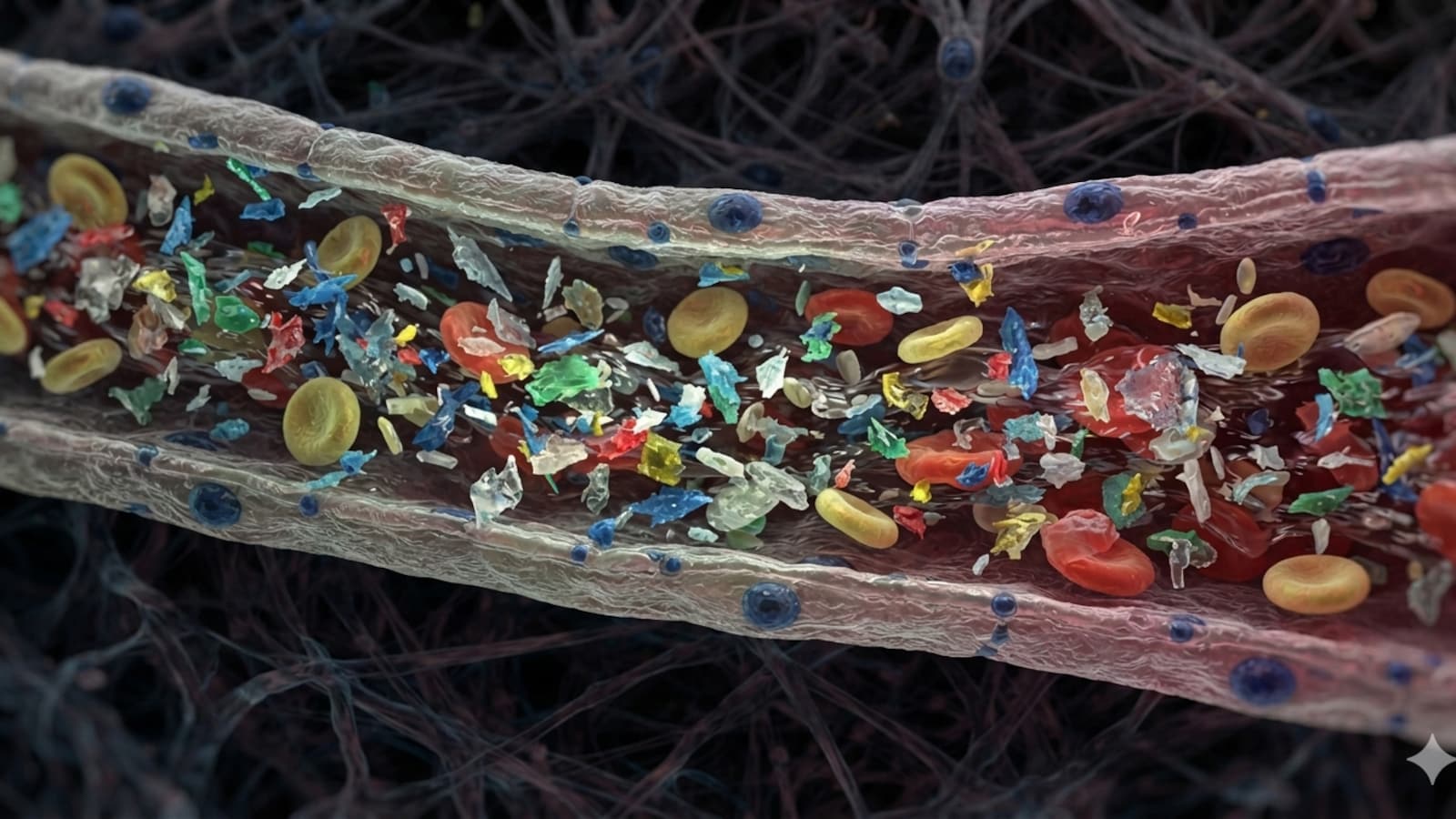
Study Links Heart Attacks to Microplastics in Blood

Blood Test Predicts HCM Complications

COVID-19 Infection May Accelerate Arterial Aging, Study Finds
