2 hrs ago
Why the Generation Gap Between Young People and Adults Widens
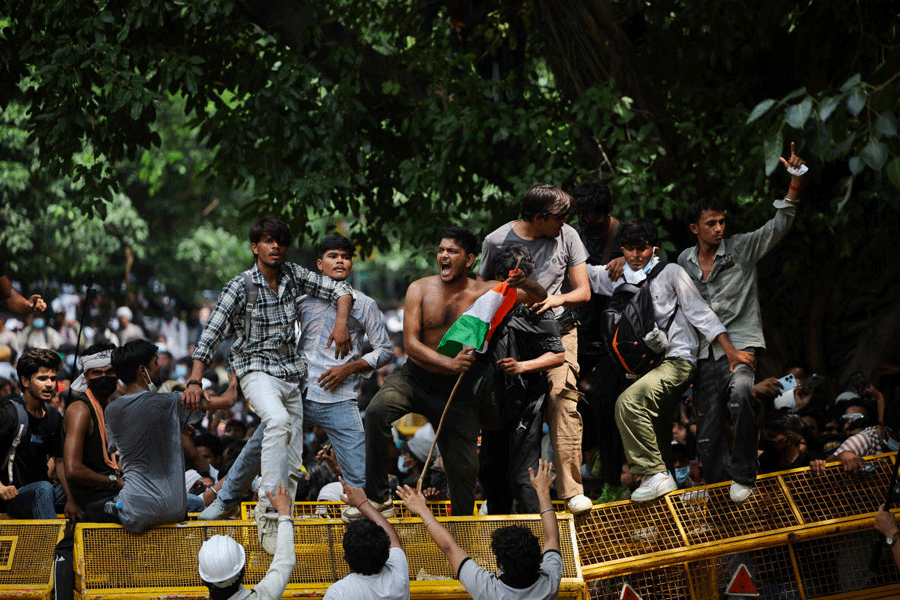
Devi Kar says young people and adults can find it hard to understand each other.
She began thinking about this after youth protests in July.
Some students told her that they care more about problems than political parties.
They also said adults sometimes misunderstand their comments about issues such as question-paper leaks.
The students felt that they did not have enough meaningful conversations with parents and older people.
Kar says adults should listen, ask about young people’s interests, and try to see things from their point of view.
She also says adults should not talk down to young people or treat them like enemies.
If parents are unfair, she says they should be able to say sorry.
Kar rejects the idea that Gen Z is a disgraceful or stupid generation.

Devi Kar reflects on whether the generation gap has widened after youth protests in July.
She says the treatment of young protesters showed a lack of sensitivity and understanding.
Students told her they care about issues, not political parties or individual leaders.
They said they feel distanced from parents and older people because meaningful conversations are uncommon.
Kar recommends listening, showing genuine curiosity, understanding young people’s views, and apologizing when unfair.
- Who
- Devi Kar, educators and parents, and students in Grade XI.
- What
- An opinion article argues that the generation gap may be widening and recommends ways adults can connect with young people.
- Where
- The discussion took place with students in Calcutta; the article also refers to protests in the country without naming it.
- When
- Published after youth protests in July; no publication date is given.
- Why
- The author links the perceived divide to adults’ lack of understanding, infrequent meaningful conversations, and rapid changes in life.
Young people’s perspective
Older generation’s perspective
Politics and public issues
Young people’s perspective
The students say they care about issues such as question-paper leaks, not political parties or individual leaders, and feel adults mistake their comments for partisan criticism.
Older generation’s perspective
The article says some parents react defensively to discussion of question-paper leaks because they think it indirectly criticizes the ruling party they support.
Communication across generations
Young people’s perspective
The students say they feel distanced from parents and older people because meaningful conversations across generations have become uncommon.
Older generation’s perspective
The author argues that adults should show curiosity about young people’s interests, try to understand their views, and avoid talking down to them or treating them as adversaries.
Views of the younger generation
Young people’s perspective
The students worry that Gen Z may be considered a disgraceful or stupid generation.
Older generation’s perspective
The author rejects those labels and says adults need greater sensitivity and understanding toward young people.
Key facts
- Author
- Devi Kar
- Role
- Director of Modern High School for Girls, Calcutta
- Students interviewed
- Girls studying in Grade XI; the author later refers to them as 17-year-olds
- Context
- Youth protests in July prompted the author to consider whether the generation gap has widened
- Students’ stated concern
- Problems and issues, rather than political parties or individual leaders
- Suggested approach
- Communicate, show curiosity, seek to understand young people’s views, and apologize when unjust
Quotes
Grade XI students
Students expressing frustration about how older adults understand their concerns.
“We are really not bothered about political parties — we are concerned about problems and issues.”
 telegraphindia.com
“Do you think that Gen Z is a disgraceful generation?”
telegraphindia.com
Sources
Related news

ABVP Leader Urges Youth Growth, Rejects Politicisation of Students
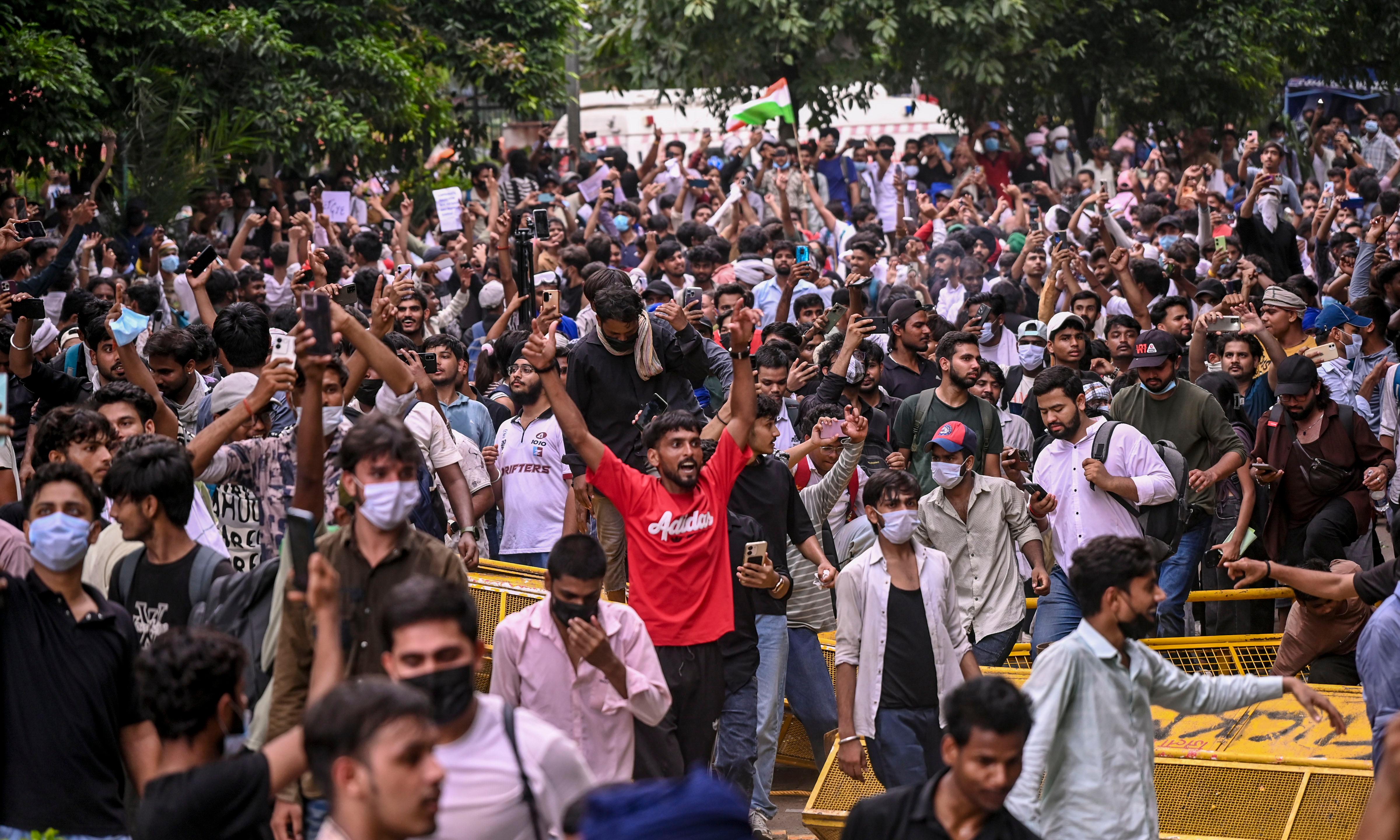
India’s Gen Z Challenges Tradition, Authority and Social Norms
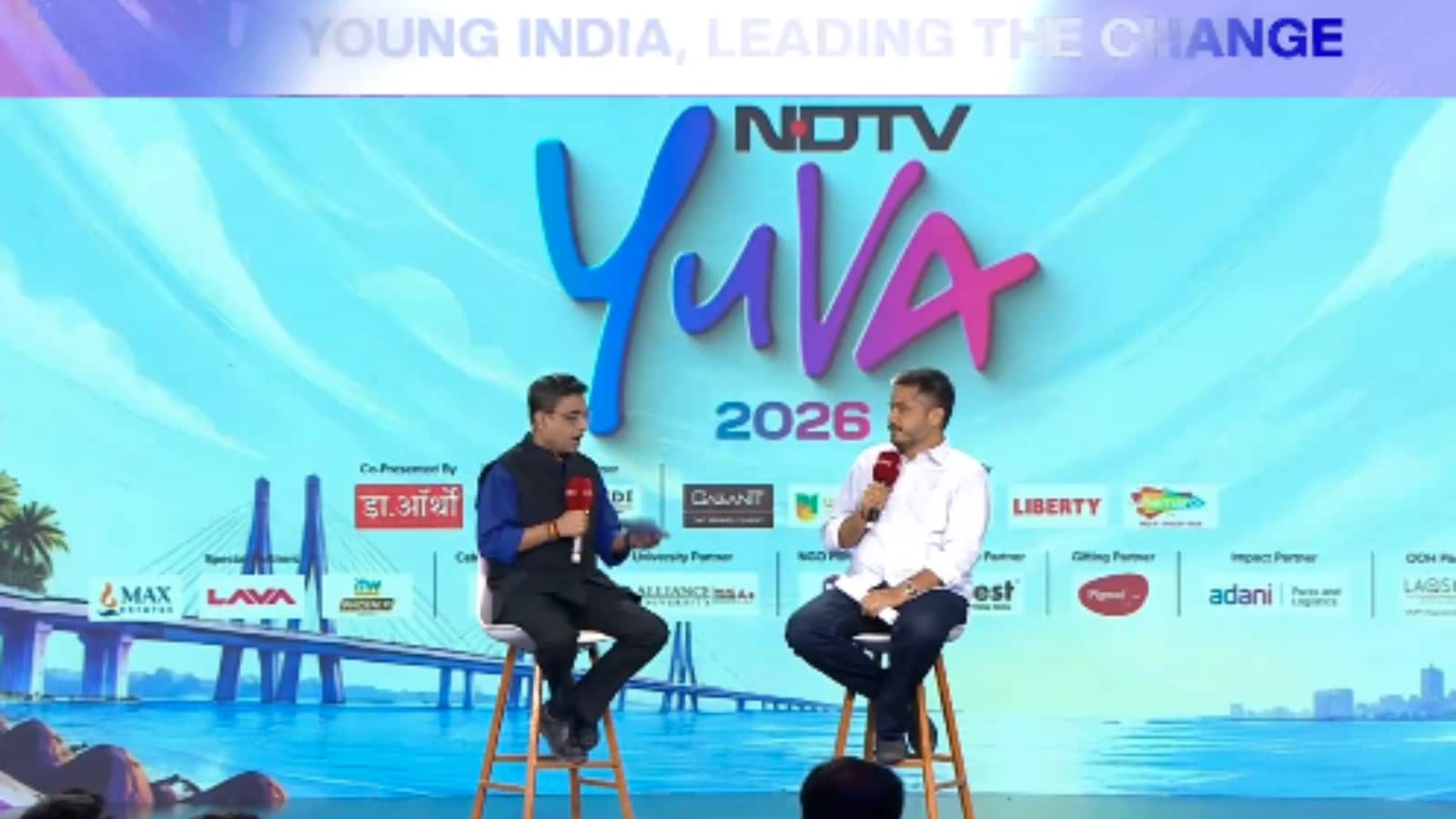
Rohit Pawar Says Politicians Fear Gen Z's Growing Political Influence
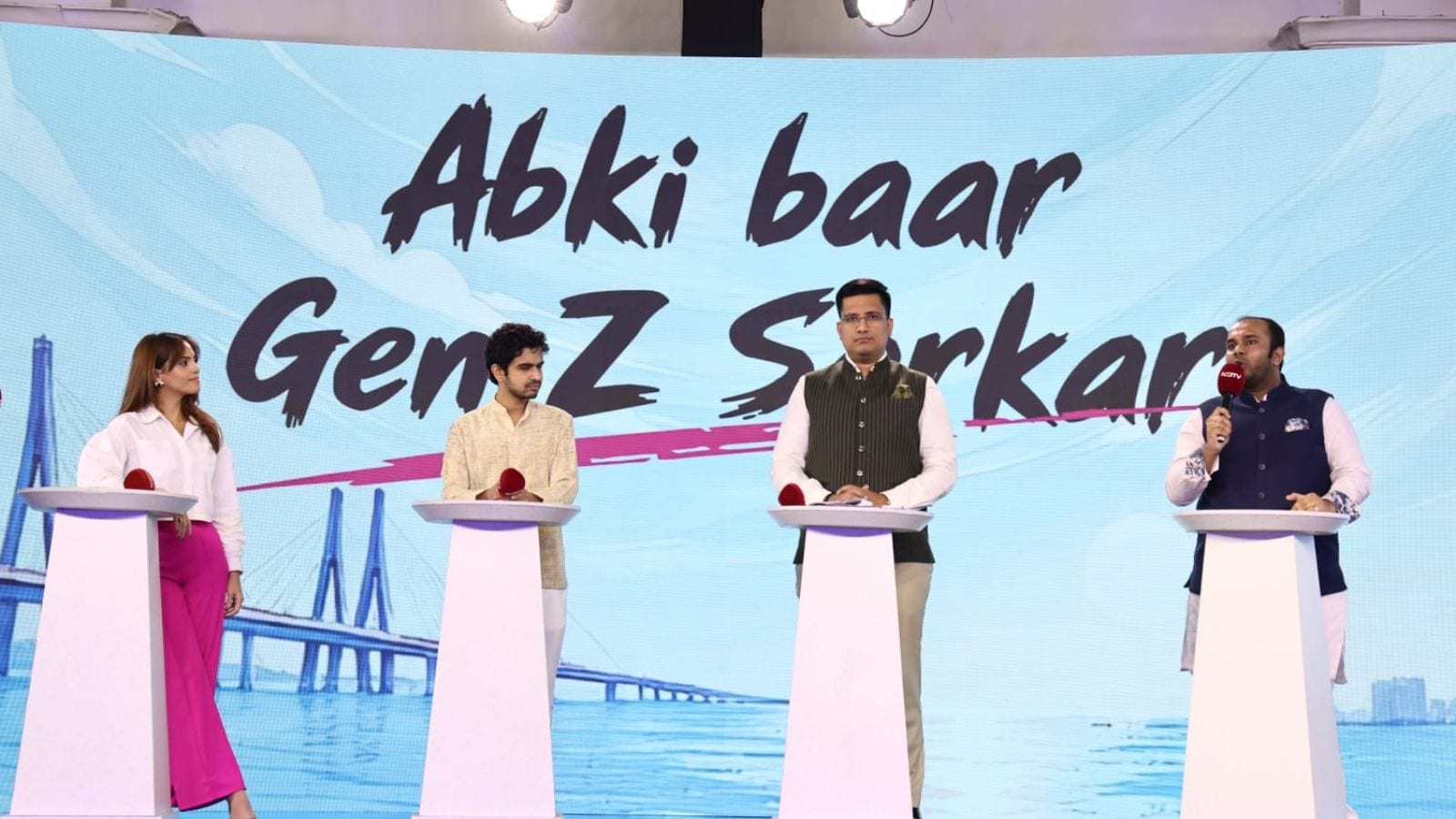
Young leaders debate Gen-Z politics and India’s changing global image

French Gen Z Protests Over Education Reform Spark Political Dispute

Gen Z Movement Tests India’s Future Political Common Ground

Cab Owner-Driver Found Dead With Legs Tied in Entally
Uttarakhand Students Explore West Bengal Through Yuva Sangam
Western Railway Announces Weekly Pratap Nagar-Kolkata Special Train

CR Park’s Durga Pujas Grow Into Delhi’s Major Festival Destination