

48 mins ago
Antarctic Ozone Hole Shrinks as India Faces Ground Pollution
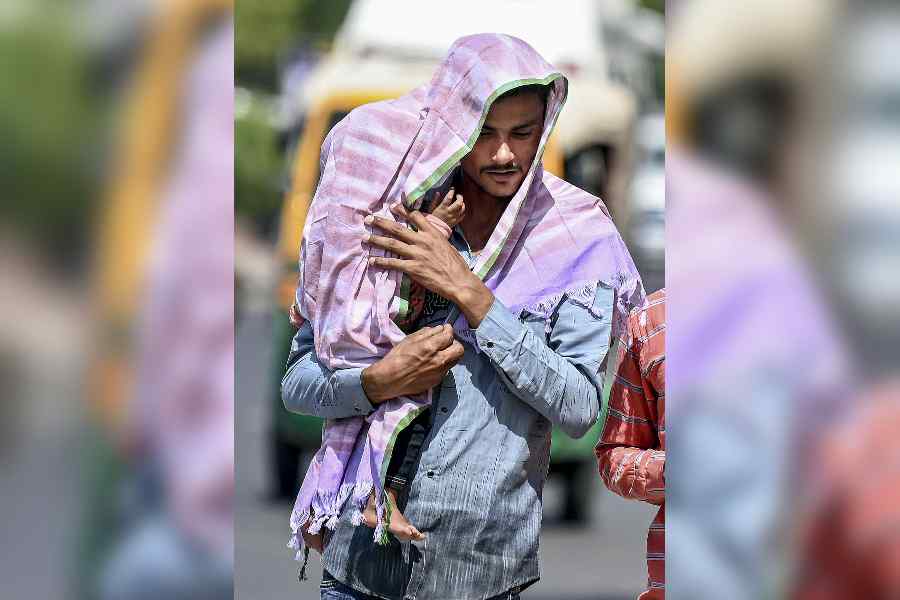
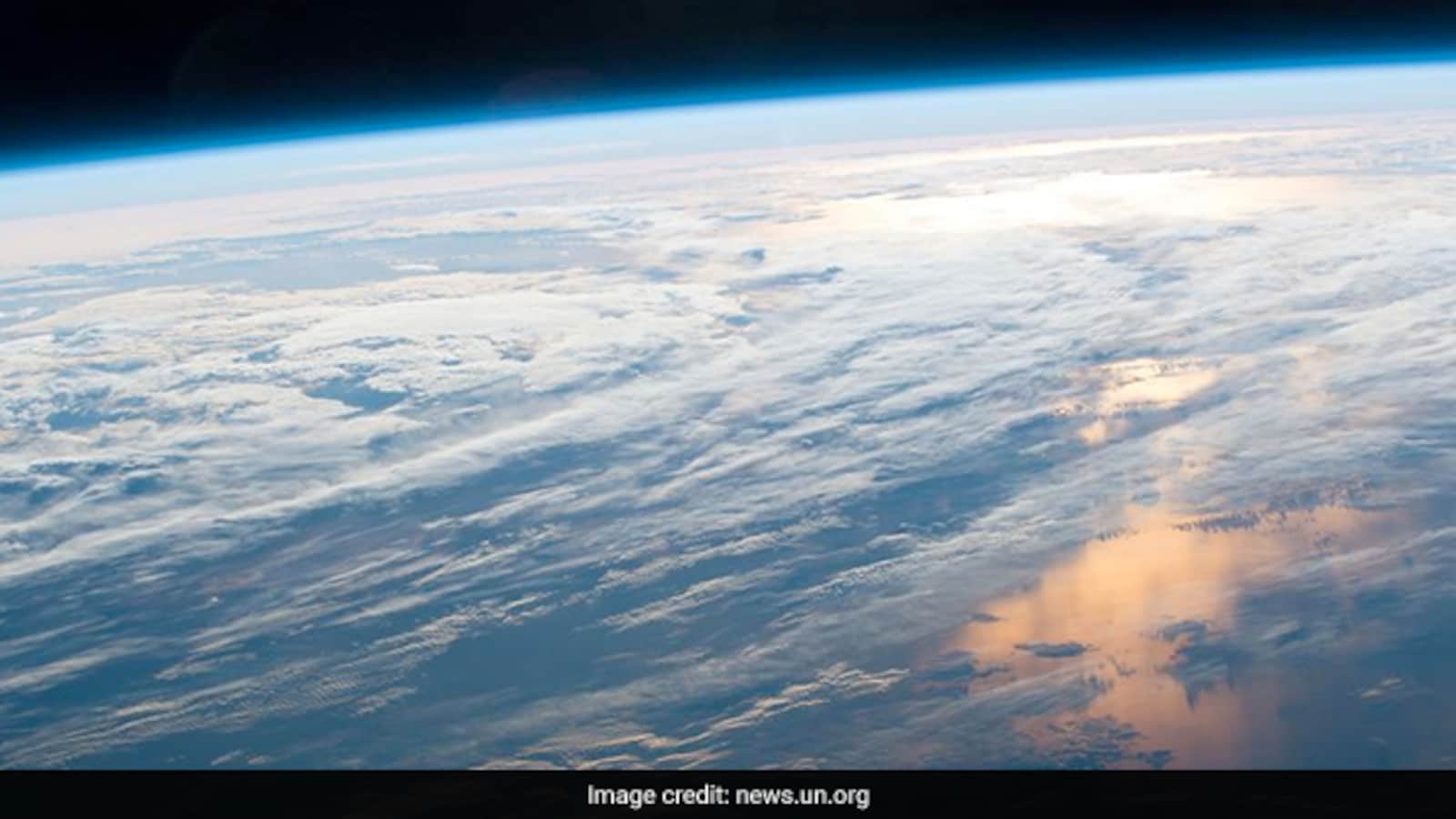
The ozone layer is a protective shield high above Earth.
It helps block dangerous ultraviolet rays from the Sun.
In 2025, the hole in this shield over Antarctica was smaller than it has been in decades.
Scientists connect this improvement to countries working together to reduce harmful chemicals.
This cooperation happened through an international agreement called the Montreal Protocol.
However, India has a different ozone problem closer to the ground.
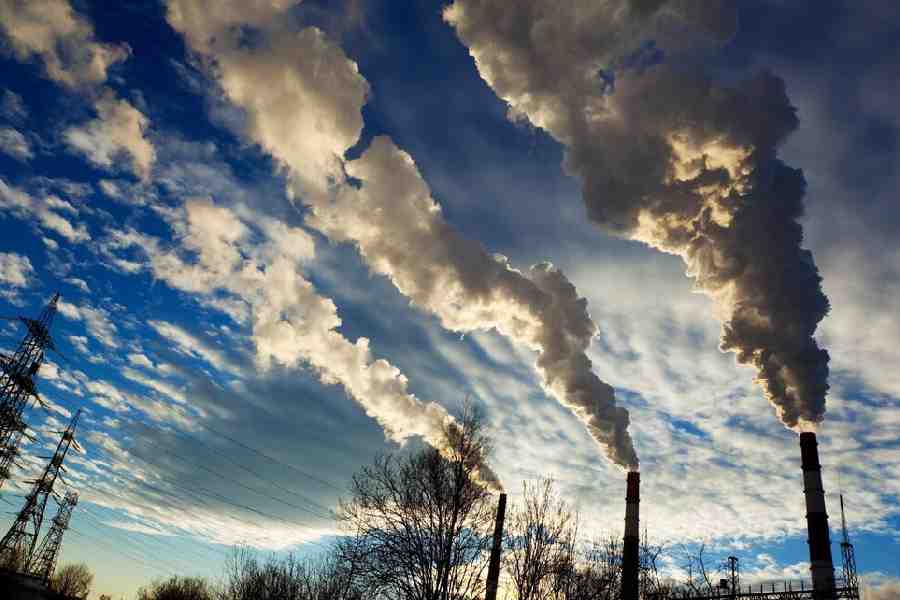
Pollution from vehicles and factories can create ground-level ozone.
This pollution is increasing and can harm people’s health.
So, the global ozone layer is recovering, while India still faces serious air pollution.

The 2025 Antarctic ozone hole is reportedly the smallest in decades, according to the World Meteorological Organisation.
The World Meteorological Organisation linked the improvement to reduced emissions of ozone-depleting substances and international action under the Montreal Protocol.
The previous year’s ozone hole was the fifth smallest recorded since severe depletion patterns began in 1992.
Experts said India faces a separate and worsening problem from ground-level ozone generated by vehicles, industry and other local sources.
The Centre for Science and Environment warned that ground-level ozone is becoming a year-round air pollution and health crisis across India.
- Who
- The World Meteorological Organisation, air pollution expert Anumita Roy Choudhury and the Centre for Science and Environment are cited.
- What
- The 2025 Antarctic ozone hole has shrunk, while ground-level ozone pollution in India is worsening.
- Where
- The ozone hole is over Antarctica, while the ground-level pollution concern is across India.
- When
- The report was published in Geneva this month; the ozone layer has been recovering since 2000.
- Why
- The Antarctic improvement is linked to reduced ozone-depleting substances and international action; India’s ground-level ozone is generated locally by vehicle exhaust, industrial emissions and other sources.
Global Ozone Recovery
India’s Ground-Level Ozone Crisis
Meaning of the ozone development
Global Ozone Recovery
The World Meteorological Organisation described the smaller Antarctic ozone hole as evidence that international action to protect the ozone layer is succeeding.
India’s Ground-Level Ozone Crisis
Anumita Roy Choudhury said the global improvement does not resolve India’s separate problem of increasing ground-level ozone pollution.
Main pollution sources
Global Ozone Recovery
The Antarctic ozone recovery is linked to decreasing global emissions of ozone-depleting substances under the Montreal Protocol.
India’s Ground-Level Ozone Crisis
Ground-level ozone in India is produced locally through vehicle exhaust, industrial emissions and other sources.
Current outlook
Global Ozone Recovery
The WMO said the ozone layer has been recovering since 2000 and could fully recover within several decades.
India’s Ground-Level Ozone Crisis
The Centre for Science and Environment warned that ground-level ozone is becoming a severe, year-round air pollution and health crisis across India.
Key facts
- 2025 Antarctic ozone hole
- Reported as the smallest in decades.
- Previous year’s ranking
- The previous year’s ozone hole was the fifth smallest since severe depletion patterns were observed in 1992.
- International agreement
- The Montreal Protocol helped reduce emissions of ozone-depleting substances.
- Recovery trend
- The ozone layer has been recovering since 2000 and is expected to fully recover within several decades, according to the WMO secretary-general.
- India’s pollution source
- Ground-level ozone is generated locally through vehicular exhaust, industrial emissions and other sources.
- Health concern
- The Centre for Science and Environment described ground-level ozone as a rapidly worsening, year-round air pollution and health crisis across India.
Quotes
Centre for Science and Environment
Indian environmental think tank
“The WMO report is important and underlines the importance of countries working together on reducing ozone-depleting substances that can be a model for combating other critical climate issues, but India’s problem is the increase of ground-level ozone that gets generated locally through vehicular exhaust, industrial emission and others means”
 telegraphindia.com
“This is an environmental success story. Since 2000, the ozone layer has been recovering, and we can expect full recovery within several decades”
telegraphindia.com
Sources
Related news

World Ozone Day 2026 Highlights Climate Protection Efforts
Delhi pollution board seeks ₹80 lakh to study ozone sources
World Ozone Day Highlights Global Action for a Cooler Planet

Clean Air Day 2026: 108 Indian Cities Improve, 22 Worsen
Schools Across NTR District Mark World Ozone Day
WMO Warns Heatwaves and Wildfires Are Worsening Air Quality

Environmentalists Link Nepal Flash Floods to Himalayan Development Practices

BPCL, CSE Partner on Biofuels and Circular Economy
Hydropower Decline Keeps Coal Central to India’s Flexible Grid
India Ranks Second From Bottom in 2026 Environment Index
