

2 hrs ago
Chef Secrets for Building Better Flavor at Home
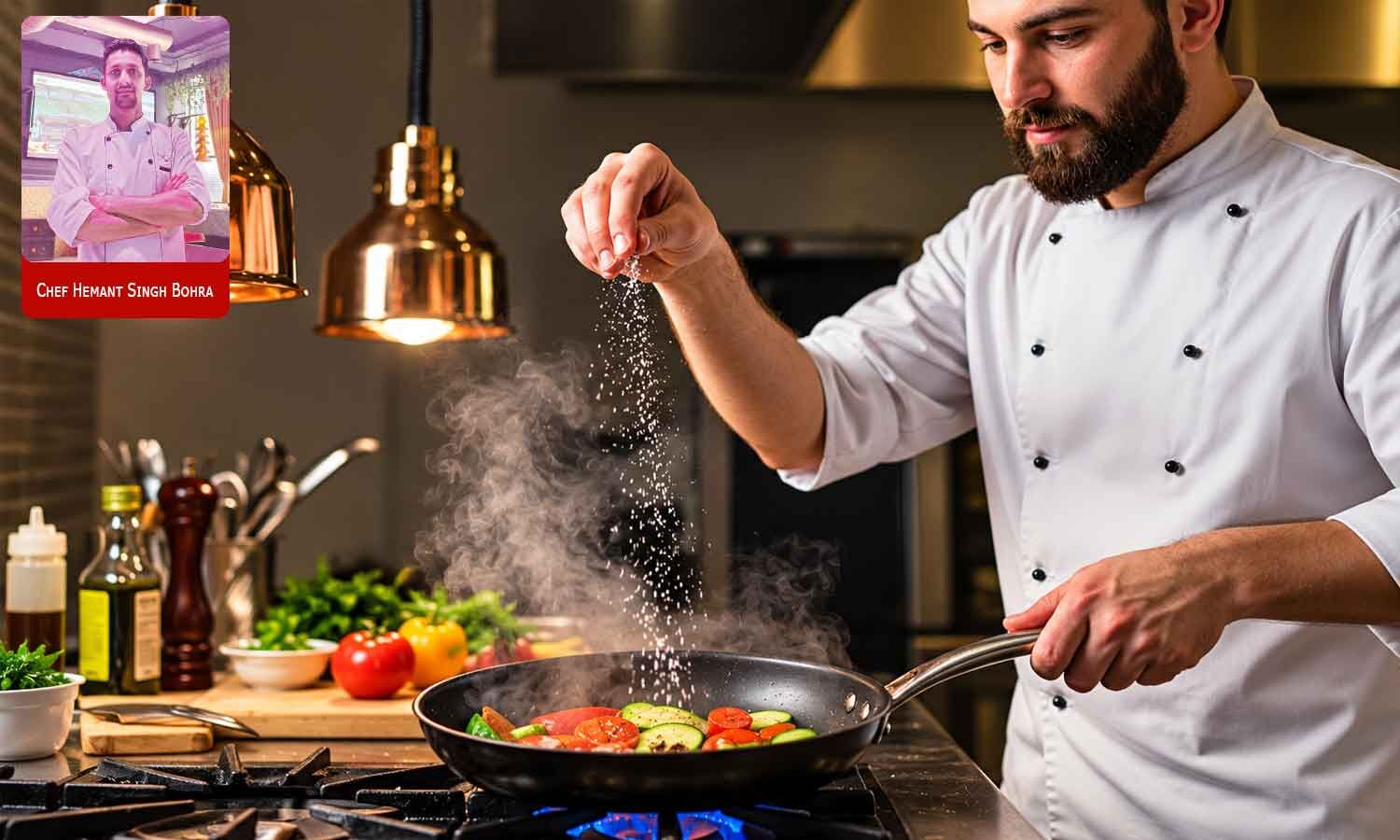
A tasty meal is not always made by adding more ingredients.
First, cook onions, garlic and other flavor-building ingredients carefully.
Different spices also need to be added at different times.
Browning food can create a delicious crust and deeper flavor.
Food should have enough space in the pan so it browns instead of steaming.
Add small amounts of salt while cooking rather than waiting until the end.
If food tastes flat, a little lemon juice, vinegar or another acidic ingredient may help.
Use high or low heat depending on the ingredient and dish.
Most importantly, taste the food and adjust it as you cook.

Chef Hemant Singh Bohra says great flavor depends more on technique than simply adding extra seasoning or ingredients.
Build flavor by slowly cooking aromatics such as onions, garlic, ginger, celery, carrots and chilli before adding main ingredients.
Add whole and powdered spices at appropriate stages so their flavors develop properly.
Use sufficient heat and pan space to brown food, while seasoning gradually throughout cooking.
Taste as you cook and use salt, cooking time or acidity—such as lemon, vinegar, tamarind, tomatoes or yogurt—to balance the dish.
- Who
- Chef Hemant Singh Bohra provides the cooking advice.
- What
- The article explains techniques for building and balancing flavor in everyday dishes.
- Where
- The advice applies to home cooking and references Indian, French and Italian cuisines, as well as Delhi, Mumbai and Rome.
- When
- Why
- Flavor is developed through careful timing, heat control, browning, seasoning, acidity and tasting rather than simply adding more ingredients.
Key facts
- Flavor base
- Cook aromatics such as onions, garlic, ginger, celery, carrots and chilli carefully before adding the main ingredients.
- Spices
- Whole spices release oils in warm oil or ghee, while powdered spices need appropriate cooking time.
- Browning
- Golden or darkened surfaces can add flavor, but ingredients need enough pan space and should not be moved constantly.
- Seasoning
- Add salt at multiple stages, including while cooking vegetables, simmering sauces and tasting the finished dish.
- Acidity
- Lemon juice, vinegar, tamarind, tomatoes and yogurt can brighten and balance food that tastes flat.
- Heat
- Different ingredients require different temperatures; meat may need high heat, while garlic can burn and curries may benefit from simmering.
- Core principle
- Good cooking comes from making better decisions about timing, balance and technique, not from using more ingredients.
Sources
Related news
Acharya Balkrishna Highlights Salt, Lemon and Digestive Balance
Tamil Food Pop-Up at Mazzo Highlights Kongu Nadu Flavors

Thai Master Explains How Cuisine Travels Without Losing Authenticity

Indian Chefs Shift from Fine Dining to Experiential Dining Experiences

Culinary Art Connects Health, Culture, Tradition, and Global Flavours

Why Slow Cooking Is Returning to Indian Kitchens

Ameesha Patel Addresses Hardik Pandya Rumours, Samay Raina Buzz

Mumbai Cyber Police Arrest Two Employees In ₹29.83 Lakh Fraud

Fake Income Tax Raid in Mumbai Leads to Ten Arrests

Wadala Man Dies in Lift Shaft; Contractor Booked
