

2 weeks ago
Indian Chefs Shift from Fine Dining to Experiential Dining Experiences
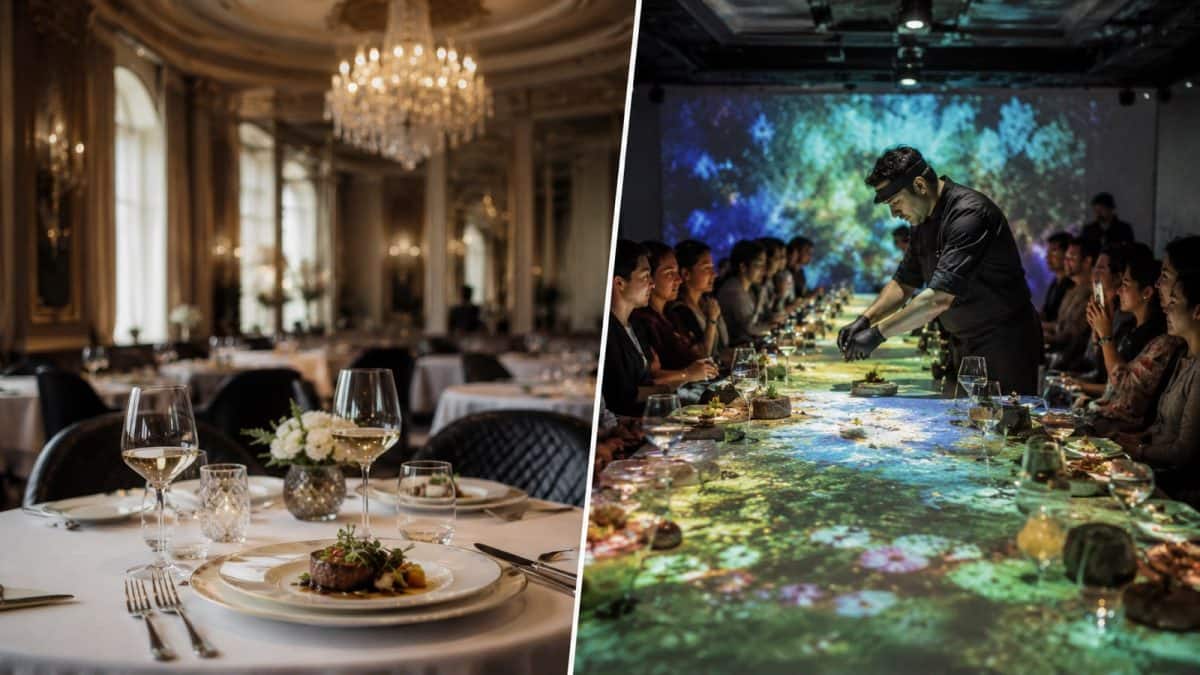
For a long time, fancy restaurants in India were known for white tablecloths, perfect-looking dishes and very polite waiters.
But now, Indian restaurants are doing something new: they are creating experiences, not just meals.
This is called experiential dining.
The food is still important, but the music, lights, story and even how a dish is served all become part of the fun.
Chefs are becoming storytellers who share the history behind ingredients and recipes.
Some chefs now cook right in front of guests so diners can watch and ask questions.
Younger diners who have travelled a lot want meals they cannot easily make at home, like dining inside an art space or watching a themed supper club.
Chef Prince Tyagi says a fine-dining meal might be remembered for one dish, but an experiential meal makes the whole evening memorable.
Traditional fine dining is not going away, though.
The two styles are mixing, and the best restaurants may do both.

Experiential dining treats food as one part of a larger experience that includes setting, music, lighting, storytelling, interaction and service style.
Firstpost interviewed Chef Prince Tyagi, Executive Chef of HIKKI, Eldeco Centre, about the shift in India's luxury dining scene.
Chefs are increasingly using Indian cuisine as a storytelling canvas, exploring regional ingredients, forgotten recipes, local techniques and personal memories.
Restaurants like Masque and Indian Accent demonstrate how Indian ingredients and traditions can be presented through contemporary, narrative-led menus.
Fine dining is evolving rather than disappearing, with the strongest restaurants combining fine-dining-level food with storytelling, interaction and atmosphere.
- Who
- Indian chefs such as Chef Prince Tyagi, Executive Chef of HIKKI, Eldeco Centre, and restaurants like Masque and Indian Accent.
- What
- A shift from traditional fine dining to experiential dining, where meals become immersive experiences involving storytelling, interaction, music and atmosphere.
- Where
- India
- When
- Not specified in the article.
- Why
- Diners, especially younger and more travelled customers, increasingly want memorable experiences and stories behind their food rather than only beautifully plated dishes.
Key facts
- Article source
- Firstpost
- Interviewee
- Chef Prince Tyagi, Executive Chef, HIKKI, Eldeco Centre
- Topic
- Fine dining vs experiential dining in India
- Key restaurant examples
- HIKKI, Masque, Indian Accent
- Main argument
- Experiential dining is broadening the definition of premium restaurants while fine dining evolves rather than disappears
- Diner trend
- Younger, travelled diners seek experiences they cannot easily recreate at home
- Chef's changing role
- Chefs are becoming storytellers and curators, not just cooks
Quotes
Chef Prince Tyagi
Executive Chef at HIKKI, Eldeco Centre
“For a long time, fine dining has been defined by formal service, refined presentation and a fairly fixed way of experiencing a meal. But the modern consumer is looking for something beyond just what is on the plate. They want to understand the story behind the food, the ingredients being used and, increasingly, the people creating it.”
 firstpost.com
“At HIKKI, we see experiential dining as a natural evolution of this shift. Our Chef’s Table format brings guests closer to the kitchen, allowing our team to take them through a tasting experience, explain the thought process behind each dish and create a much more personal interaction with the food.”
firstpost.com
Sources
Related news
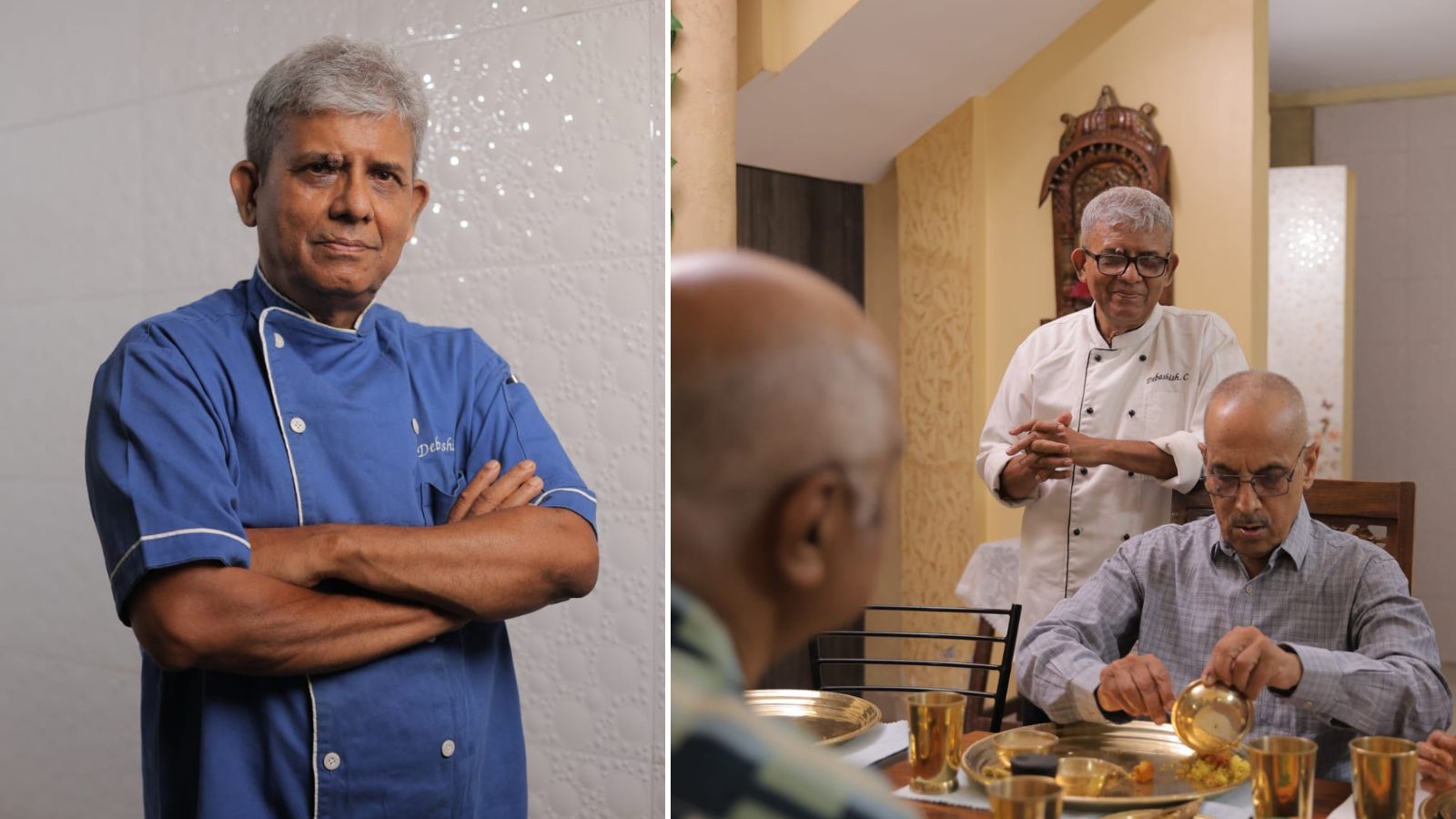
Former Taj Chef's Pune Supper Club Rewrites Rules of Dining
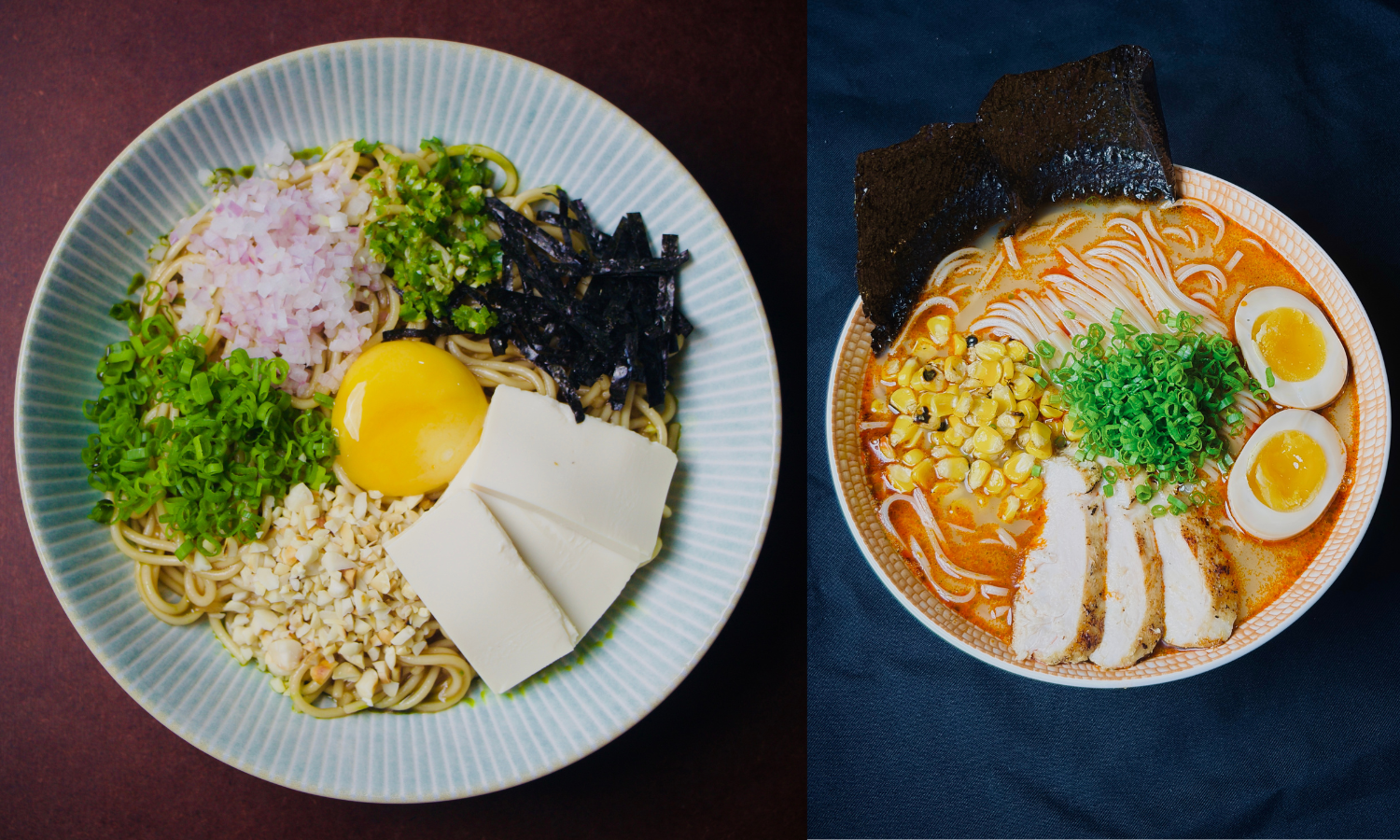
Telugu Cuisine Gets Contemporary Fine Dining at ROCH Chef's Table

Tandoor's Global Rise From Indian Kitchens to Fine Dining
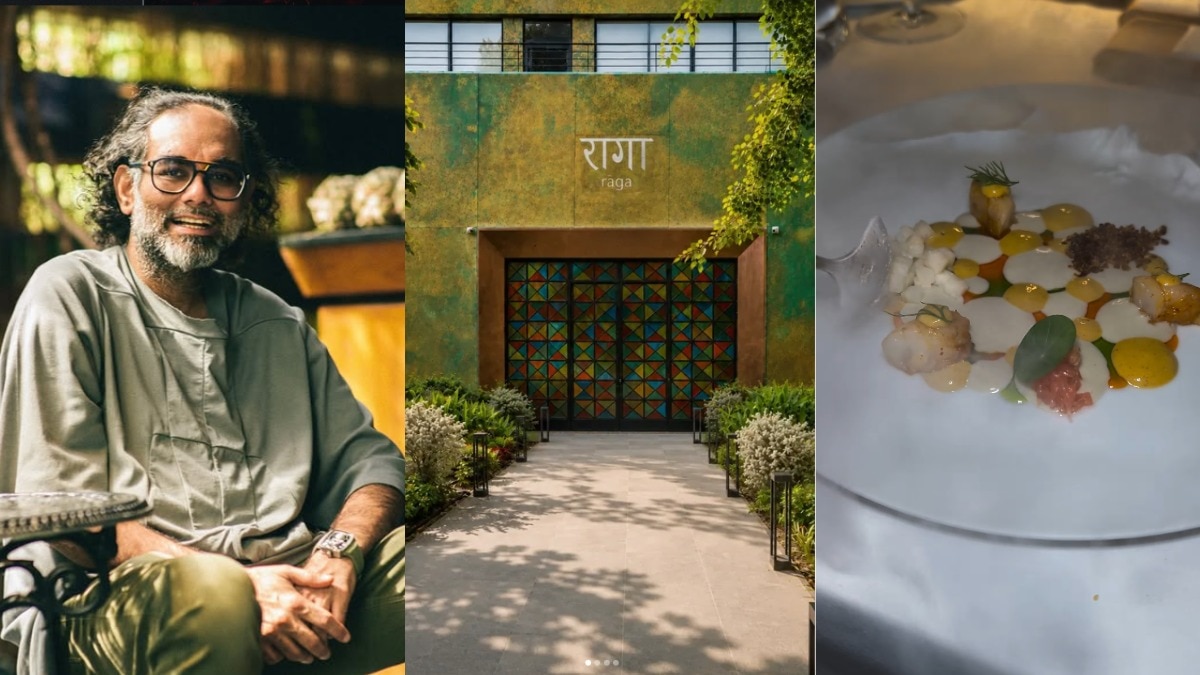
Gaggan Anand Returns to India With Delhi’s Raga
Hospitality's Future Is Human Connection, Not AI: Restaurateur Pandey
Gaggan Anand Opens First India Restaurant, Raga, in Delhi

Maharashtra's Culinary Heritage Finds New Place On Modern Plate

Chefs reimagine Indian mithai in savoury fine-dining dishes
