1 month ago
Vyasa Purnima Honors Sage Who Preserved Vedic Wisdom
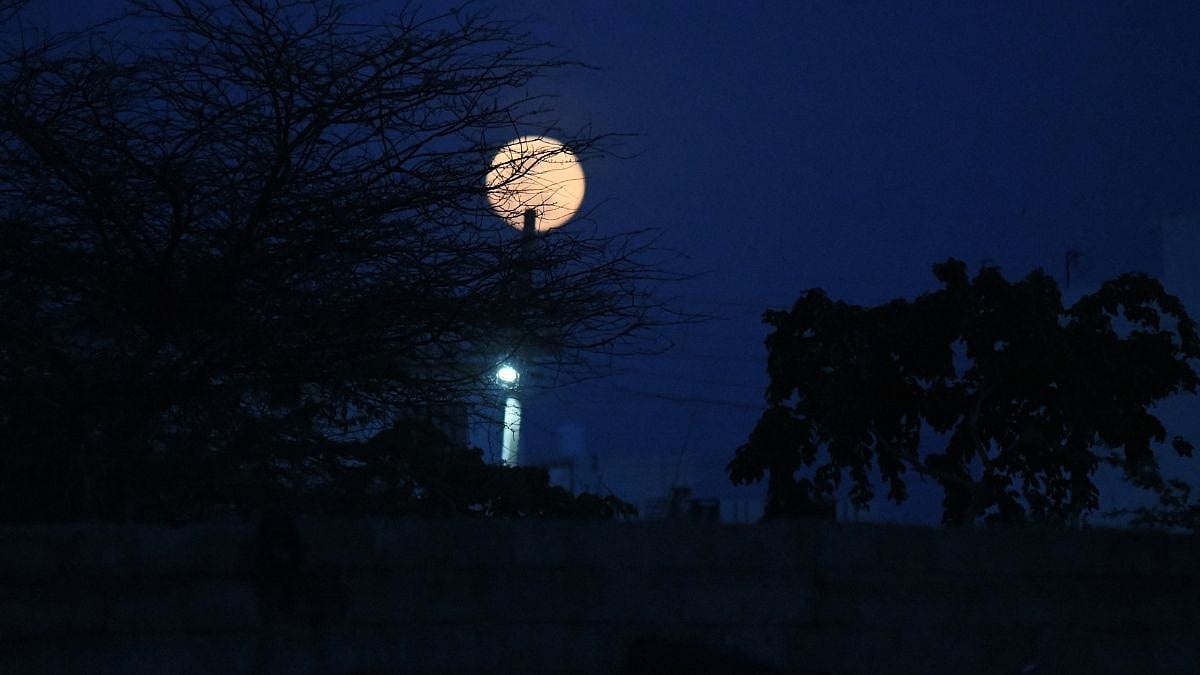
Vyasa Purnima is a special day celebrated every year to honor Ved Vyasa, a wise sage who played a big role in preserving and organizing ancient Indian knowledge.
Vyasa is known for dividing the Vedas into four parts and writing important texts like the Mahabharata and the Bhagavata Purana.
He is also believed to be an incarnation of the god Vishnu.
On this day, people remember and thank Vyasa for his contributions.
His teachings and the stories he wrote are still important and followed today.
Vyasa's son, Shukacharya, continued his legacy by teaching the Bhagavata Purana to King Pareekshit.
This tradition of honoring Vyasa helps keep the ancient wisdom alive.

Vyasa Purnima is celebrated on Ashadha Shukla Purnima to honor Ved Vyasa.
Vyasa organized the Vedas into four parts and wrote the Mahabharata and Bhagavata Purana.
He is revered as an incarnation of Vishnu and guided Shankaracharya.
Vyasa's son, Shukacharya, continued his teachings through the Bhagavata Saptaha.
The celebration is a mark of gratitude for Vyasa's contributions to Vedic and Puranic knowledge.
- Who
- Ved Vyasa, his disciples, and followers
- What
- Vyasa Purnima, a celebration honoring Ved Vyasa
- Where
- India and among Hindu communities worldwide
- When
- Ashadha Shukla Purnima
- Why
- To honor the contributions of Ved Vyasa in preserving and organizing Vedic knowledge
Traditional View
Modern Interpretation
Significance of Vyasa
Traditional View
Vyasa is revered as a divine figure, an incarnation of Vishnu, who played a crucial role in preserving and organizing Vedic knowledge.
Modern Interpretation
Vyasa is seen as a historical figure who made significant contributions to Indian literature and philosophy, but not necessarily divine.
Key facts
- Date
- Ashadha Shukla Purnima
- Significance
- Celebrates the contributions of Ved Vyasa
- Contributions
- Organized the Vedas, wrote Mahabharata, Bhagavata Purana
- Disciples
- Paila, Vaishampayana, Jaimini, Sumanta
- Lineage
- Son Shukacharya, guided Shankaracharya
Sources
Related news

iPhone 18 Pro expected September launch featuring A20 Pro chip

Artificial Light at Night Harms Humans and Wildlife, Scientists Warn

Apple iPhone Ultra Leaks: Foldable Displays, Titanium Body, A20 Pro

Cristiano Ronaldo and Georgina Rodriguez Finally Married After 10 Years

Nvidia’s RTX Spark AI PCs From Lenovo, Acer Launch October

Poco F9 Pro and Ultra Global Launch Set for September
Hyderabad Hare Krishna Temples Hold Grand Janmashtami Celebrations
Krishna Janmashtami 2026: Pooja Timings and Ritual Steps

Kangra Painting Depicts Krishna’s Family Watching a Solar Eclipse

Kalki Jayanti 2026: Date, Muhurat, Significance and Vishnu Connection