3 weeks ago
Artificial Light at Night Harms Humans and Wildlife, Scientists Warn
The sun gives us light during the day, and darkness at night.
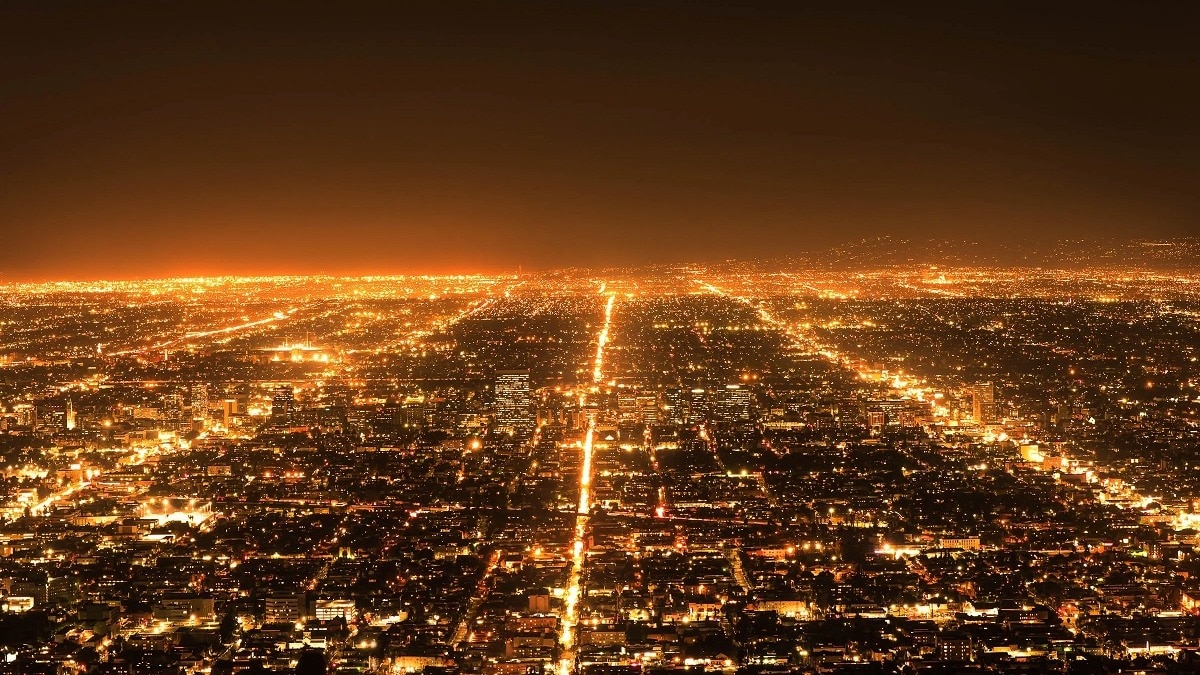
But people have added lots of electric lights outside, like streetlights and shop signs.
Scientists call too much bright light at night 'light pollution.'
It is different from dirty air or water because it doesn't leave any mess behind, but it can still cause problems.
Our bodies have an invisible clock that tells us when to sleep.
Bright light at night can trick that clock and stop a special sleep hormone called melatonin from working.
Animals are affected too - insects fly toward lights, birds get confused, and some animals hide from bright areas.
Even plants can change how they grow because of extra light.
Scientists don't want us to turn off all lights, because we need them to stay safe.
They just want us to use the right amount of light, in the right place, at the right time.

Scientists increasingly view light pollution, or artificial light at night (ALAN), as a problem affecting human health, wildlife, and ecosystems.
Artificial light at night can suppress melatonin and disrupt circadian rhythms, with blue-rich light from white LEDs especially impactful.
Wildlife impacts include insects drawn to artificial lights, altered bird activity and navigation, and nocturnal mammals avoiding lit areas.
A 2026 meta-analysis of 36 studies across 30 bird species found consistent effects of artificial light at night on avian physiology and behaviour.
Research in Nature Climate Change links artificial light to changes in ecosystem metabolism, with impacts growing alongside urbanisation.
- Who
- Humans and wildlife exposed to artificial light at night, along with scientists researching its effects
- What
- Light pollution (artificial light at night) disrupting biological rhythms, animal behaviour, plant processes, and ecosystems
- Where
- No specific location; artificial light at night is described as widespread alongside urbanisation
- When
- At night, ongoing; the article highlights recent research including a 2026 meta-analysis
- Why
- Excessive or poorly directed artificial light alters the natural cycle of light and darkness that organisms have evolved around, though lighting remains essential for transport, public spaces, workplaces, and safety
Key facts
- Issue
- Light pollution, or artificial light at night (ALAN)
- Human health effects
- Suppressed melatonin and disrupted circadian rhythms; links to health effects under investigation
- Key lighting factor
- Blue-rich light, including from bright white LEDs
- Bird meta-analysis
- 2026 analysis: 675 effect sizes, 36 studies, 30 bird species
- Wildlife affected
- Insects, birds, nocturnal mammals, and plants
- Ecosystem impact
- Altered species interactions and ecosystem metabolism (Nature Climate Change research)
- Growth driver
- Urbanisation
- Recommended approach
- Right amount of light, in the right place, for the right amount of time
Sources
Related news

Morning Sunlight May Improve Sleep, Mood, and Metabolic Health
Why Sleeping With Fairy Lights On May Disrupt Sleep Quality

Doctor Explains Health Risks of Eating Dinner After 9 PM
Can't sleep? Five doctor-approved habits to try before melatonin
Experts Say Eight Hours May Not Suit Every Adult
Nashik's tribal village Udmal turns darkness into tourism gold

Why Mumbai Streets Flood After Just One Hour of Rain

Hot days could last four hours longer by 2100: study