7 hrs ago
Ceuta Protests Intensify as Spain Divides Over Migrant Crisis

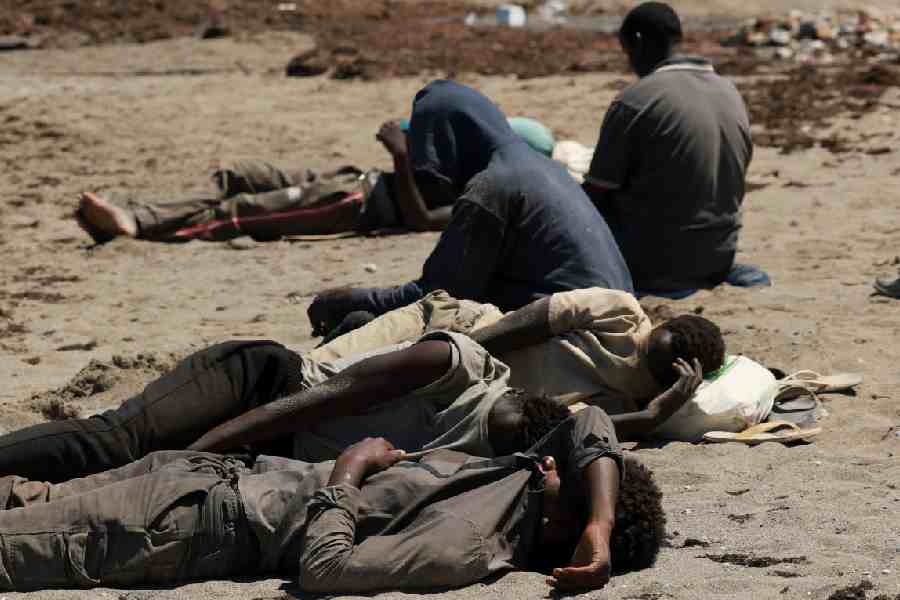
Ceuta is a Spanish city in North Africa facing a very large migrant crisis.
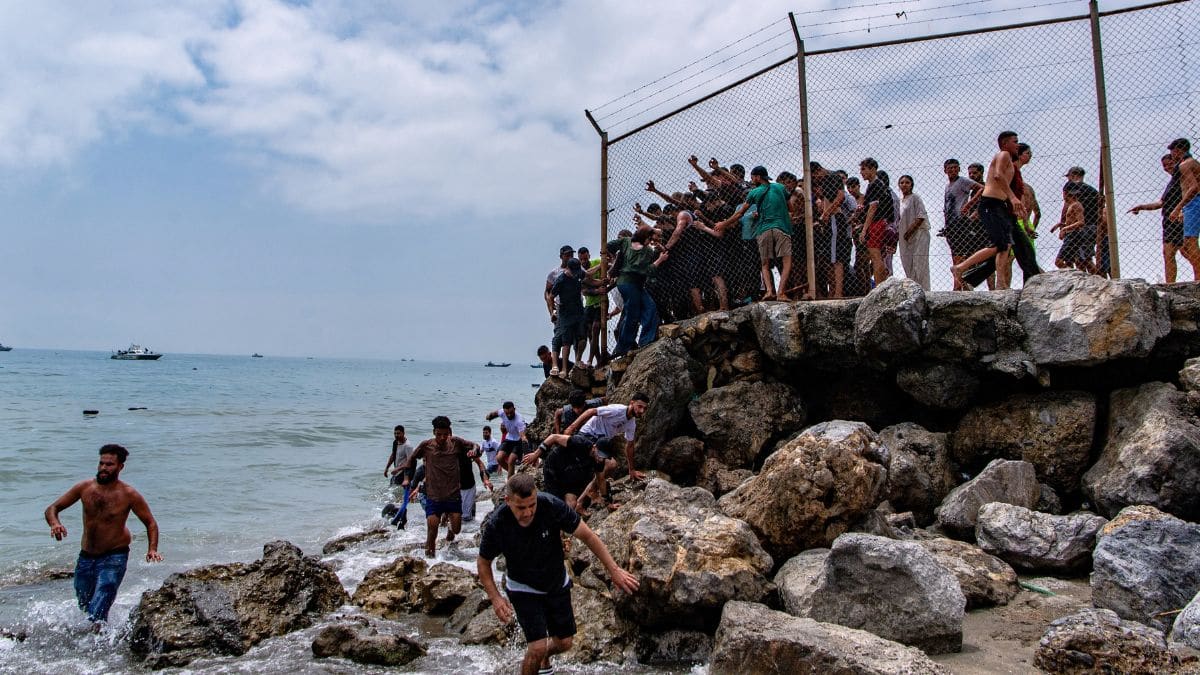
Nearly five weeks earlier, at least 72,000 people crossed into the area from Morocco.
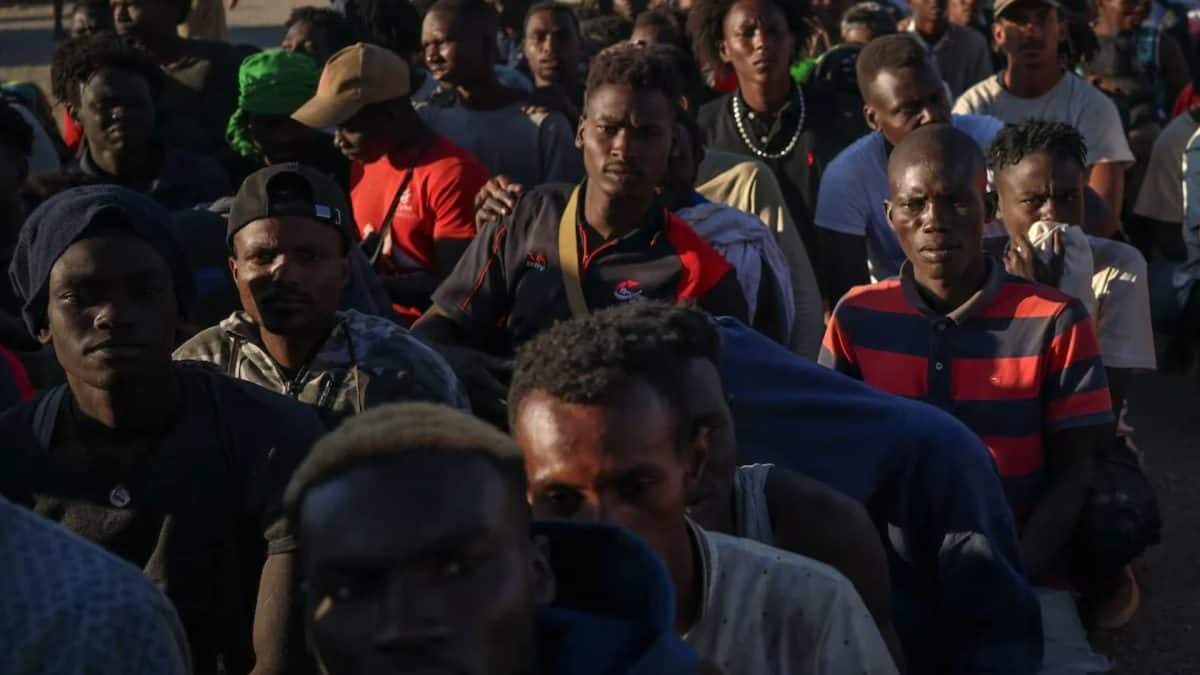
More than 10,000 migrants were still there, including children traveling without parents.
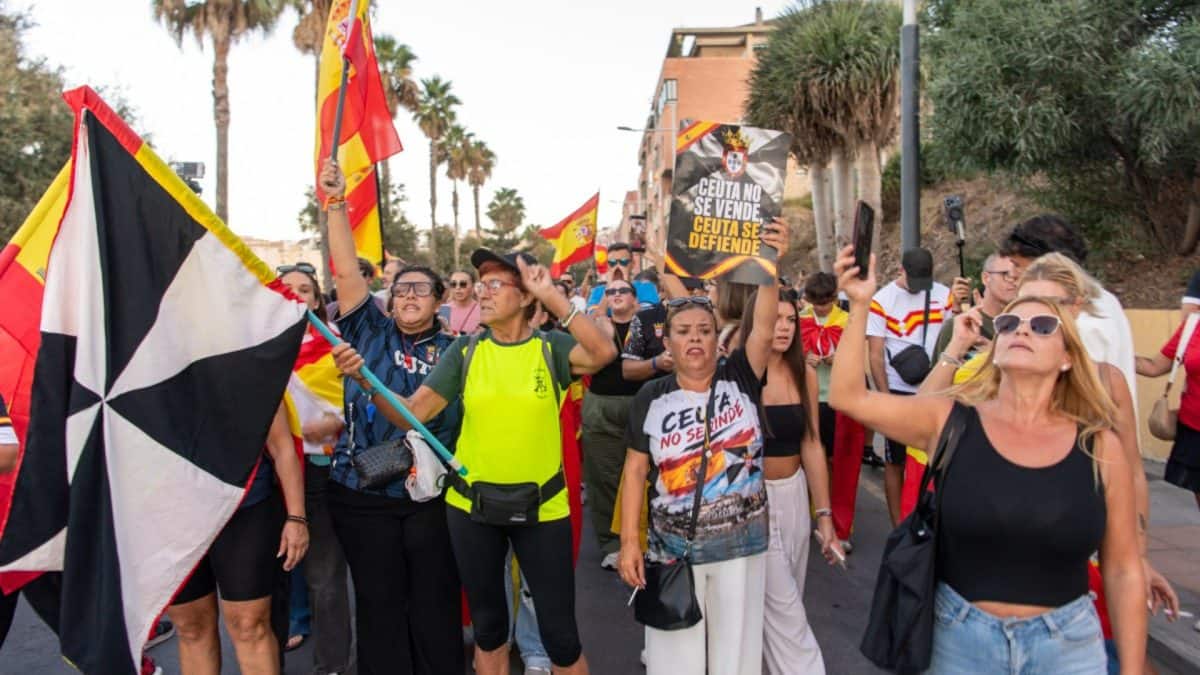
Many Ceuta residents protested because they felt the government had not acted quickly enough.
Some wanted the migrants returned to their countries or moved to other parts of Spain.
Other groups held counter-protests because they feared migrants were facing racism and attacks.
Spain added places in shelters and sent more police, but local leaders said this was not enough.
Politicians disagreed about who was responsible and how the migrants should be handled.

Thousands marched in Ceuta, while rallies and counter-gatherings were held in cities including Madrid, Barcelona and Bilbao.
More than 10,000 migrants, including unaccompanied minors, reportedly remain in Ceuta nearly five weeks after a deadly surge from Morocco involving at least 72,000 crossings.
Residents accused Spain’s central government of responding too slowly and demanded returns, redistribution across Spain and stronger security.
The opposition People’s Party-backed municipalities federation called the protests, while the government accused the right of exploiting the crisis.
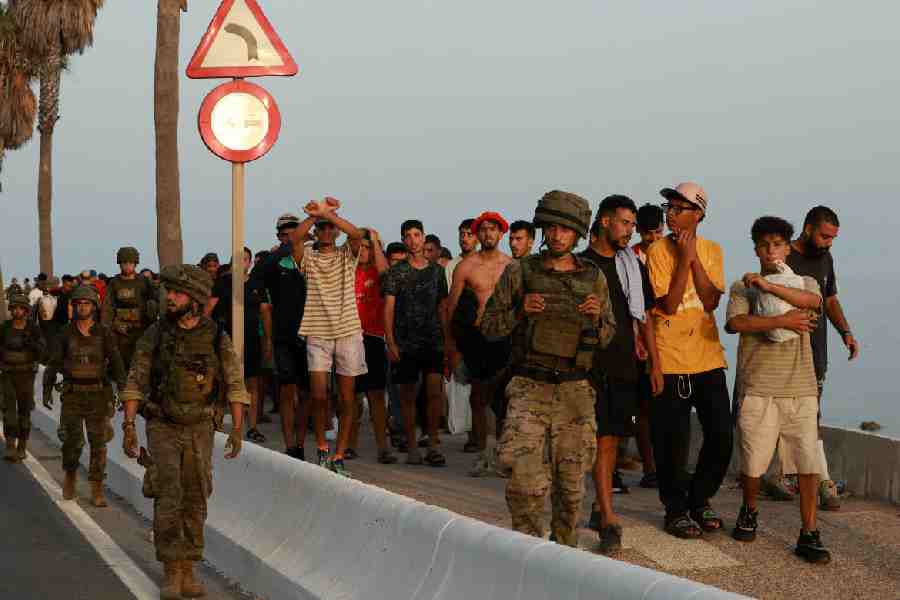
Spain expanded temporary accommodation to more than 3,400 places and deployed over 1,600 police, but local groups said the measures were insufficient.
- Who
- Ceuta residents, migrants, Spain’s central and local governments, opposition parties, unions and migrant-rights groups.
- What
- Protests and counter-protests were held over the handling of Ceuta’s migrant crisis.
- Where
- Ceuta and other Spanish cities, including Madrid, Barcelona and Bilbao.
- When
- Wednesday, nearly five weeks after the border surge; the protests coincided with the annual Ceuta Day.
- Why
- Residents criticized the government’s response and sought returns, redistribution of migrants and greater security, while other groups opposed racism and anti-migrant attacks.
Government and migrant-rights groups
Local critics and conservative opposition
Purpose of the protests
Government and migrant-rights groups
Spain’s government said the rallies were an attempt by the political right to attack the government rather than defend Ceuta.
Local critics and conservative opposition
The People’s Party-backed municipalities federation and local critics said the protests reflected residents’ frustration with the government’s handling of the crisis.
Treatment of migrants
Government and migrant-rights groups
Left-wing groups and unions condemned what they called racist and Islamophobic persecution and attacks against migrants.
Local critics and conservative opposition
Many protesters demanded that migrants be returned to their countries of origin or redistributed across Spain; the People’s Party called for all remaining migrants, including minors, to be deported.
Adequacy of the response
Government and migrant-rights groups
The central government pointed to expanded accommodation capacity and the deployment of more than 1,600 police.
Local critics and conservative opposition
Local groups and political leaders said the measures remained far short of what was needed and that negotiations between local and central authorities were deadlocked.
Key facts
- Reported border crossings
- At least 72,000 people crossed from Morocco during the deadly July surge.
- Migrants remaining
- Ceuta authorities estimated that more than 10,000 migrants remained in the enclave.
- Unaccompanied minors
- The remaining migrants included children traveling without parents.
- Shelter capacity
- Temporary accommodation capacity increased from about 500 to more than 3,400 places.
- Police deployment
- More than 1,600 police were deployed.
- Por Ceuta signatures
- The citizens’ initiative reported nearly 65,000 signatures.
- Political dispute
- The People’s Party called for all remaining migrants, including minors, to be deported, while the central government rejected the protests’ political framing.
Quotes
Francisco Garcia Segado
Head of the FPAV Ceuta residents’ association
“The government has failed to act in a critical situation. It’s spiralling out of control. We’re tired, just like those who came are getting tired, and tensions are rising. There’s a point where this will become a powder keg.”
 theprint.in
“The response has been inadequate, late and, to top it all, has involved a complete dereliction of duty on the part of the government. We cannot be second-class citizens, and our border must not be sidelined.”
theprint.in
Angel Victor Torres
Spain’s Territorial Policy Minister
“This is not about defending Ceuta and the Ceutans, it is about attacking the government”
theprint.in
Sources
Related news
Spain Urges Calm After Anti-Migrant Clashes in Ceuta
Migrants protest in Ceuta, demand asylum over return to Morocco
Ceuta Migrants Remain Stranded Amid Spain’s Shelter Crisis
Ceuta warns of 'unsustainable' child migrant situation, pleads for aid
Spain's Ceuta seeks transfer of unaccompanied minors after border rush

Messi's Departure Forces Argentina Into A Post-Golden-Era Rebuild

Leandro Paredes Weighs Argentina Future After Ban, Messi Retirement

2026 Summer Window Features Enzo, Barcola and Salah Moves

Enzo Fernandez Joins Manchester City on Deal Through 2031