

3 weeks ago
China's Oil Buying and Stockpile Helped Avert Global Hormuz Shock
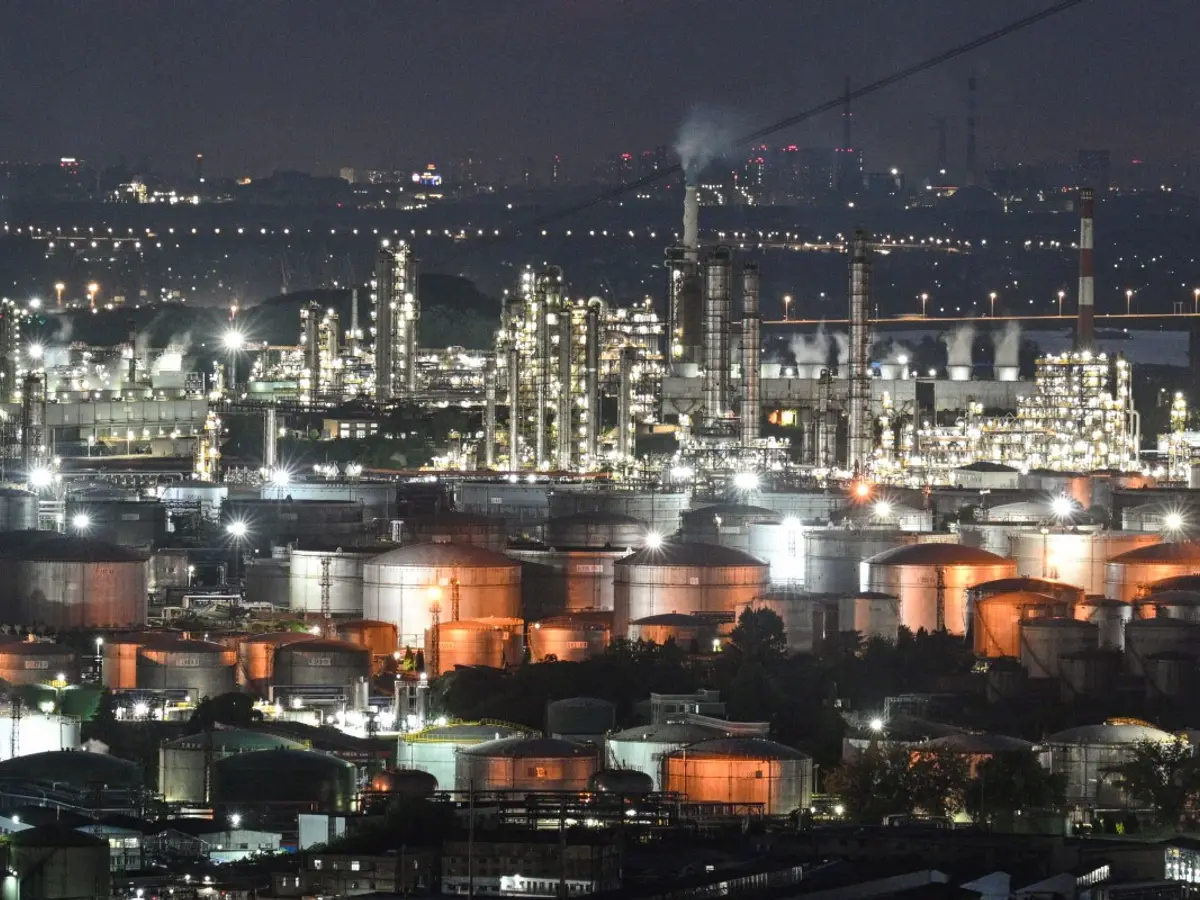
Oil is what makes cars, trucks, and planes go.
Most of the world's oil travels through a narrow waterway called the Strait of Hormuz.
When Iran closed the Strait during a conflict, about 20 out of every 100 barrels of oil in the world could not get through.
That could have made gasoline and fuel very expensive everywhere.
China is the biggest buyer of oil in the world.
China had stored a giant stockpile of oil, like a pantry full of supplies.
Instead of buying oil at very high prices, China used its stored oil to keep things running.
When the waterway briefly reopened, China bought lots of cheaper oil.
Other countries also moved oil around the closed waterway using pipelines.
Thanks to these efforts, oil prices did not spiral as high as they could have.

China's crude oil imports rose 22 per cent in July to 35.73 million metric tons, about 8.41 million barrels per day, rebounding from June's near decade low.
Despite the surge, July imports remain 24.3 per cent lower than a year earlier.
Chinese buyers snapped up discounted cargoes after the Strait of Hormuz partially reopened and Brent crude slid to around $70 a barrel.
Beijing drew down a stockpile estimated at nearly 1.4 billion barrels, meeting roughly 5 million barrels per day from domestic inventory and alternative energy sources.
Analysts credit China's strategy with helping keep global oil prices from spiralling past $200 a barrel and have called Beijing the market's first 'swing importer.'
- Who
- China, the world's largest crude oil importer, along with its refiners; countermeasures were also taken by Saudi Arabia, the UAE and the IEA's 32 member countries.
- What
- China's surge in crude imports and drawdown of its strategic stockpile helped ease pressure on global oil markets after the Strait of Hormuz was closed.
- Where
- Strait of Hormuz, China, Saudi Arabia, the UAE and the global oil market.
- When
- During the Hormuz crisis, with July imports reported on a Friday and discounted cargoes expected to keep flowing through August.
- Why
- China bought discounted crude during a brief reopening of the Strait of Hormuz and used its stockpile to help offset a roughly 12 million barrels per day global shortfall.
Key facts
- China's July crude imports
- 35.73 million metric tons (~8.41 million bpd)
- Monthly import change
- +22% from June's near decade low
- Year-on-year change
- -24.3% versus a year earlier
- Oil removed from market when Hormuz closed
- ~20 million bpd (global output ~100 million bpd)
- Pipeline bypass capacity added
- ~7 million bpd (Saudi East-West) plus 1.5-1.8 million bpd (Abu Dhabi)
- IEA strategic reserve release
- ~1.4 million bpd over 120 days
- China's stockpile drawdown
- Reserve of ~1.4 billion barrels, meeting ~5 million bpd
Quotes
Ye Lin
Vice president at Rystad Energy
“"Chinese buyers moved opportunistically during that stretch, locking in discounted cargoes that are still arriving on Chinese shores."”
 wionews.com
Sources
Related news
China's oil imports reshape Asia's crude market and India's security

China’s Oil Stockpiles Become a Shield Against Western Pressure

High Oil Prices Keep China’s Crude Buying Below Past Peaks
Oil Prices Slide as Hormuz Reopening Eases Supply Fears
IMF Warns Oil Market Buffers Are Running Out

Middle Eastern Oil Influx Reaches American Shores, Easing Market Pressure
