3 weeks ago
China's oil imports reshape Asia's crude market and India's security
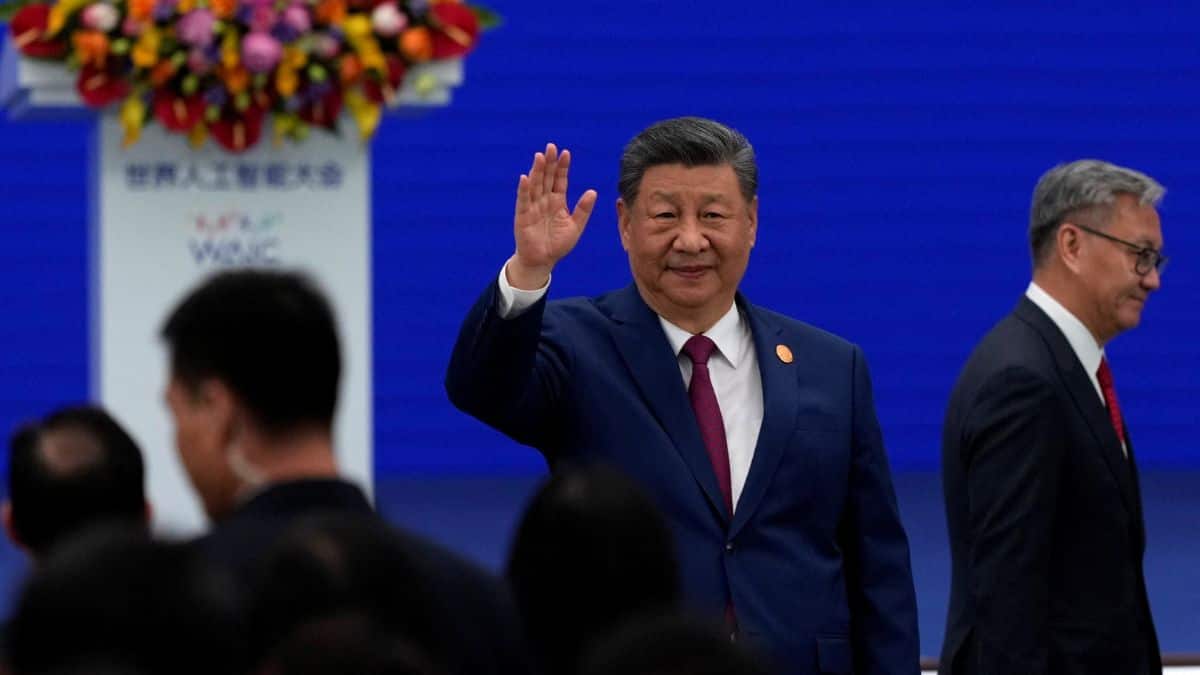
China is the biggest buyer of oil in the world.
A big conflict in the Middle East made it hard for ships to bring oil out of the Strait of Hormuz.
China bought much less oil in June and July, which surprised many people.
China can do this because it has huge tanks full of oil saved up, like a giant pantry.
Because China bought less, there is less pressure on prices, which helps other countries.
India also needs to buy oil from other countries, but it does not have a big oil pantry like China.
If China starts buying lots of oil again, prices could go up.
That could make many things more expensive in India and hurt its money.
So what China decides to do matters a lot for India's energy and economy.
Oil leaders still control supply, but China now controls a lot of the extra demand.

China imported 8.41 million barrels per day (bpd) of crude in July, 24.3% below July 2025 levels, after June's near-decade low of 7.12 million bpd.
China's combined June-July imports averaged 7.78 million bpd, about 4.21 million bpd below its average in the three months before the Iran conflict.
Kpler data shows Asia imported 22.82 million bpd in July, still roughly 4 million bpd below the 26.89 million bpd pre-conflict average.
With estimated inventories of 1.2-1.4 billion barrels, China is emerging as Asia's 'swing buyer,' able to influence prices by changing its pace of purchases.
India remains more vulnerable, holding only about 21.4 million barrels of strategic stocks; a Chinese inventory rebuild could raise prices and pressure the rupee and inflation.
If Chinese refiners return aggressively, Indian refiners could face greater competition for discounted Russian crude and potentially narrower discounts.
- Who
- China (Beijing), the world's largest crude importer, along with India, a heavily import-dependent buyer, and producers such as Saudi Arabia and the US.
- What
- China sharply reduced its crude oil purchases over June-July, helping absorb part of the oil supply shock caused by the Middle East conflict and the effective closure of the Strait of Hormuz.
- Where
- Asia, the Middle East, and the Strait of Hormuz, with implications for global crude prices and India's energy security.
- When
- June and July, with China's July imports 24.3% below July 2025 levels, following the escalation of the Iran conflict.
- Why
- China's vast crude inventories let it act as a swing buyer, and its pace of purchases now influences global prices, India's import bill, the rupee, and inflation.
Key facts
- China's July crude imports
- 8.41 million barrels per day (bpd)
- China's June crude imports
- 7.12 million bpd (near-decade low)
- July year-on-year change
- 24.3% below July 2025 levels
- China's combined June-July average
- 7.78 million bpd
- Decline vs pre-Iran-conflict average
- 4.21 million bpd lower
- Asia's July imports (Kpler)
- 22.82 million bpd, ~4 million bpd below pre-conflict average
- China's estimated crude inventories
- 1.2-1.4 billion barrels
- India's strategic oil stocks
- ~21.4 million barrels
Sources
Related news
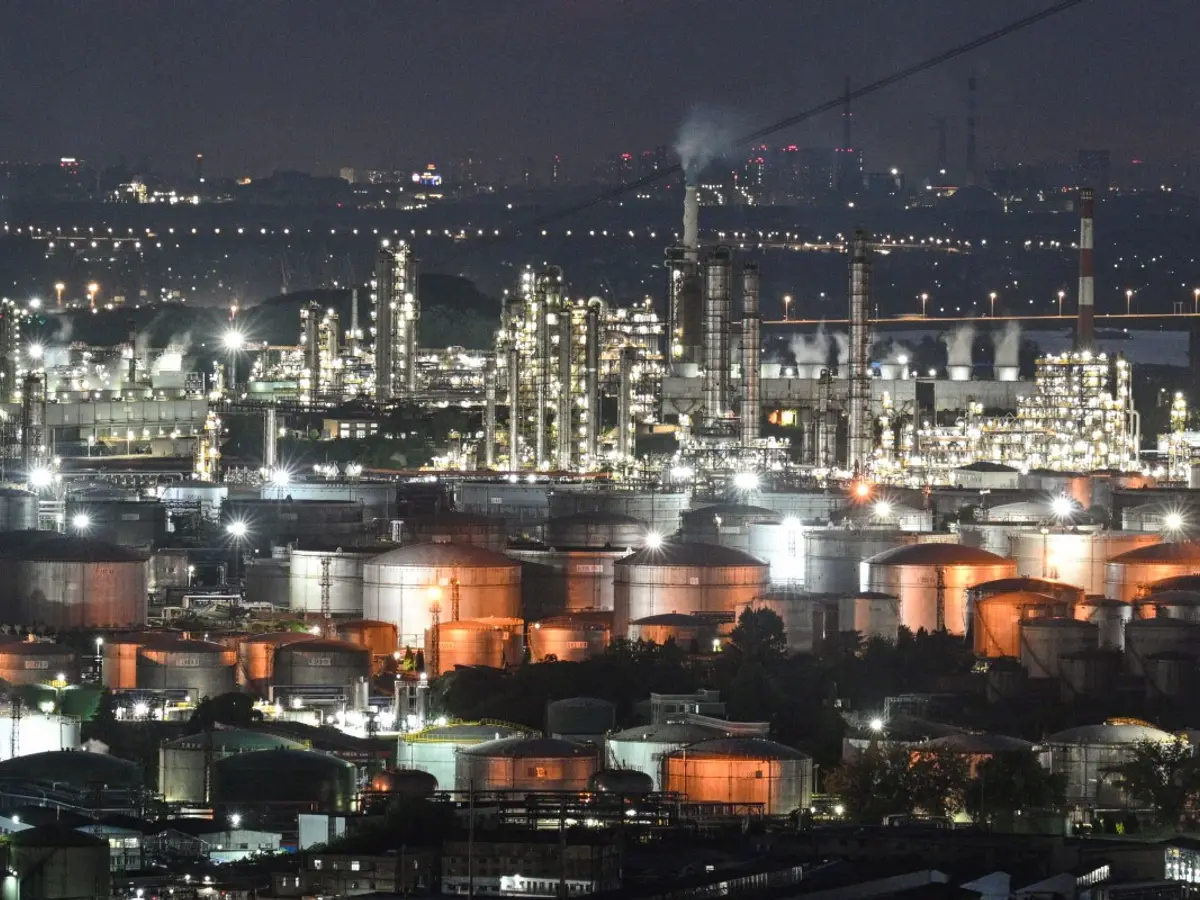
China's Oil Buying and Stockpile Helped Avert Global Hormuz Shock

High Oil Prices Keep China’s Crude Buying Below Past Peaks

China’s Oil Stockpiles Become a Shield Against Western Pressure
India’s Russian Oil Imports Fall Amid Supply Pressure
Indian Refiners Cut Russian Oil Purchases, Seek Supplies Elsewhere

US-Iran Strikes Escalate as Tehran Warns of New Strategy
Trump Warns of Fresh Iran Strike After Heavy Attack

Trump Says US Could Attack Iran Again at Will
U.S. Treasury Yields Ease as Jobs Data Misses Expectations

Iran Seizes Fuel-Smuggling Vessel in Gulf, Arrests 11 Crew