2 weeks ago
Congo's Ebola Outbreak on Track to Surpass Deadliest in History
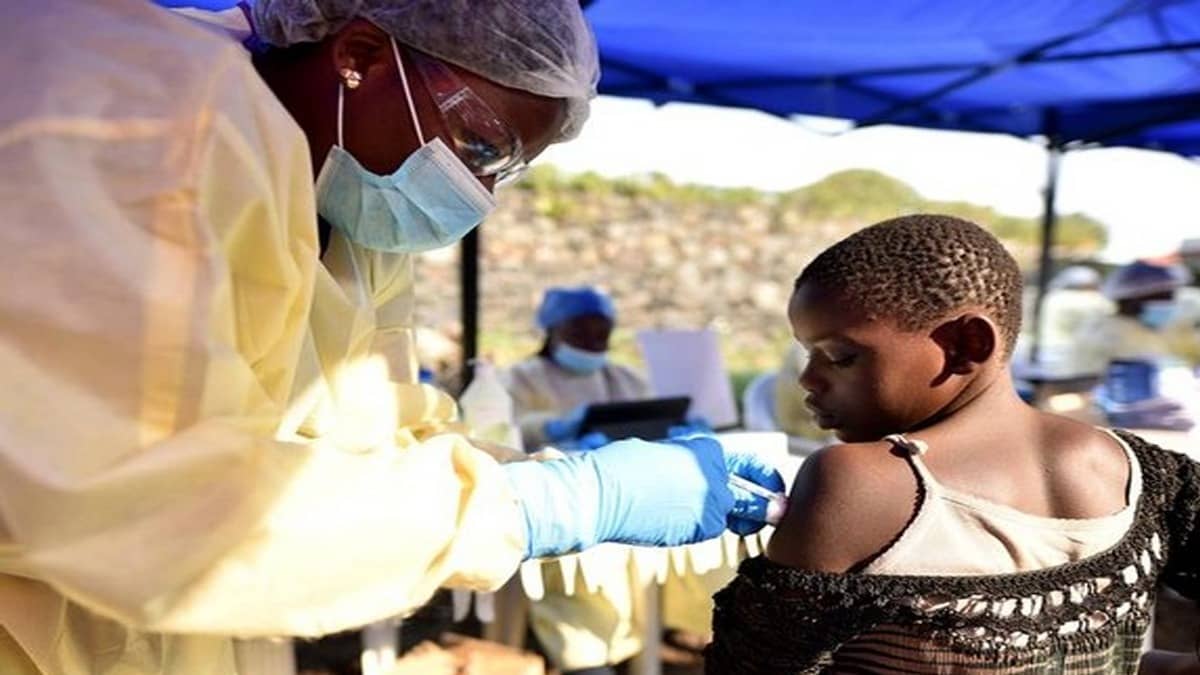
Ebola is a very serious illness that spreads when people touch the body fluids of someone who is sick.
Right now, there is a big Ebola outbreak in a country called Congo in Africa.
More than 2,000 people have already died from it.
The head of the World Health Organization says this could become the worst Ebola outbreak in history.
An older outbreak in West Africa from 2014 to 2016 killed more than 11,000 people.
This new outbreak is caused by a rare type of Ebola called the Bundibugyo virus.
There is no approved vaccine or medicine for that type yet.
Scientists are now testing two treatments and two vaccines to fight it.
Helping people is hard because the region has conflict, poor roads, and not enough health clinics.
The World Health Organization thinks the outbreak will peak in about six months.

WHO chief Tedros Adhanom Ghebreyesus said Congo's Ebola outbreak is on track to eclipse the 2014-2016 West African outbreak that killed over 11,000 people.
The outbreak in eastern Congo has killed over 2,000 people out of more than 4,300 cases, making it the fastest-growing one yet.
The outbreak was declared on May 15, but sequencing shows it actually began months earlier, in February.
It is caused by the rare Bundibugyo virus, which has no approved vaccines or treatments, though efforts to address that are underway.
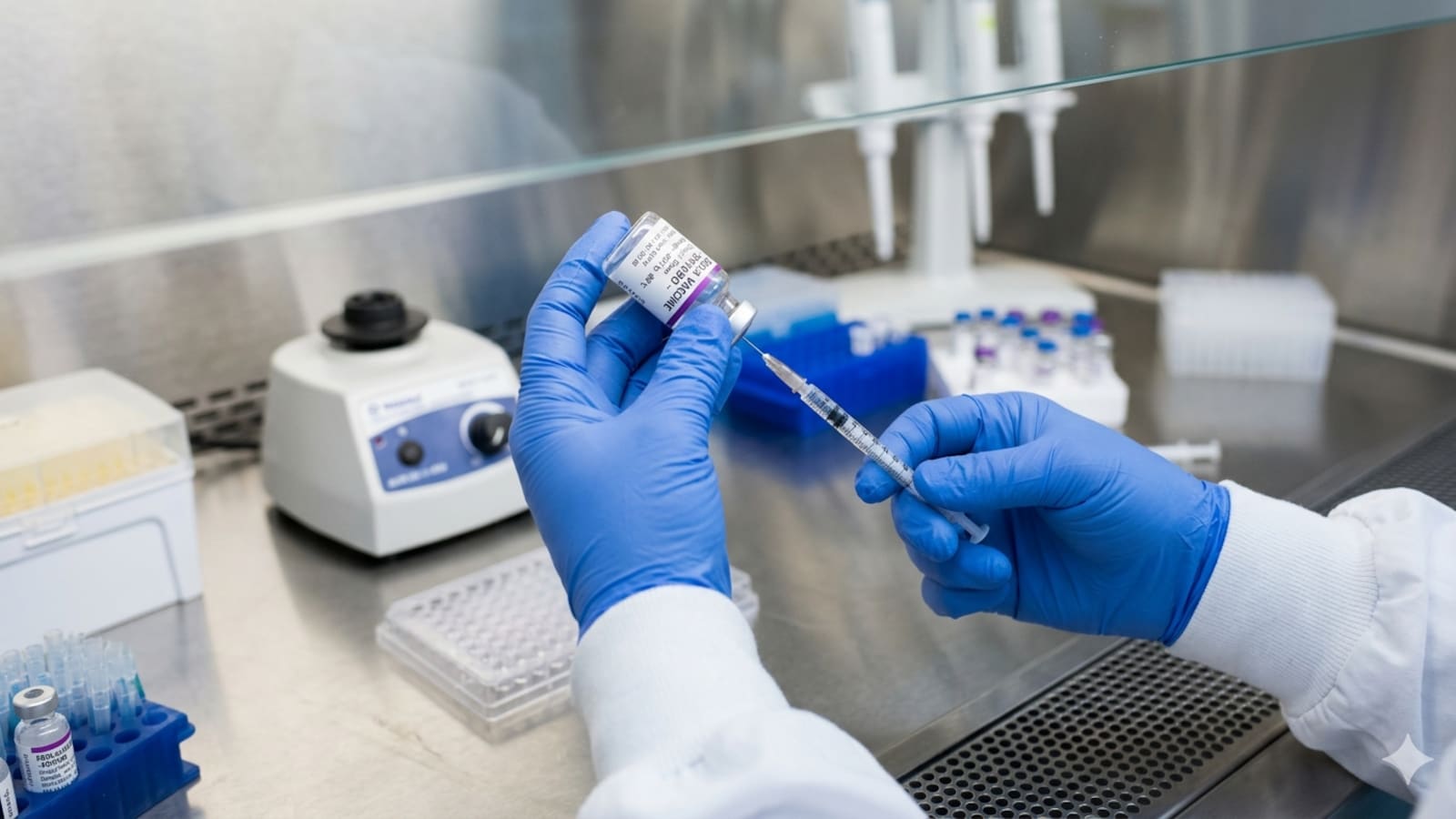
Clinical trials of two possible treatments began last month in Ituri, and two vaccines developed for the Bundibugyo virus are being tested in people for the first time.
WHO expects the peak of the outbreak to be reached in about six months in a moderate scenario, or in 9 to 12 months in another scenario.
- Who
- World Health Organization (WHO) Director-General Tedros Adhanom Ghebreyesus and WHO officials such as Dr. Abdirahman Mahamud are leading the response.
- What
- A fast-growing Ebola outbreak caused by the rare Bundibugyo virus that has killed over 2,000 people and may become the deadliest outbreak in history.
- Where
- Eastern Congo (Democratic Republic of the Congo), near the borders with South Sudan, Uganda and Rwanda; Ituri is the most affected of five provinces with reported cases.
- When
- The outbreak was declared on May 15, but sequencing showed it began in February; the WHO chief's remarks were made Wednesday.
- Why
- The outbreak had a 'big head start' and is outpacing response efforts in a remote, conflict-affected region with poor infrastructure, ill-equipped health centers, striking workers and circulating misinformation.
Key facts
- Virus
- Bundibugyo virus (a rare type of Ebola)
- Total cases
- More than 4,300
- Total deaths
- Over 2,000
- Outbreak declared
- May 15; sequencing indicates it began in February
- Worst affected area
- Ituri province, one of five provinces in Congo with reported cases
- Prior deadliest outbreak
- 2014-2016 West Africa: over 11,000 deaths, at least 28,000 cases
- WHO peak estimate
- About six months (moderate scenario); 9-12 months in another scenario
- Treatments and vaccines
- Two treatments in clinical trials; two Bundibugyo vaccines tested in people for the first time
Quotes

Tedros Adhanom Ghebreyesus
Chief of the World Health Organization
“The agency expects the peak of the outbreak to be reached in six months. But that’s the moderate scenario. There is a one‑case scenario where this outbreak may last nine months to 12 months.”
 republicworld.com
“At its current pace, it’s on track to eclipse the West African Ebola outbreak of 2014 to 2016.”
republicworld.com
Sources
Related news

Congo Ebola deaths surpass 2,000 in fastest-spreading outbreak
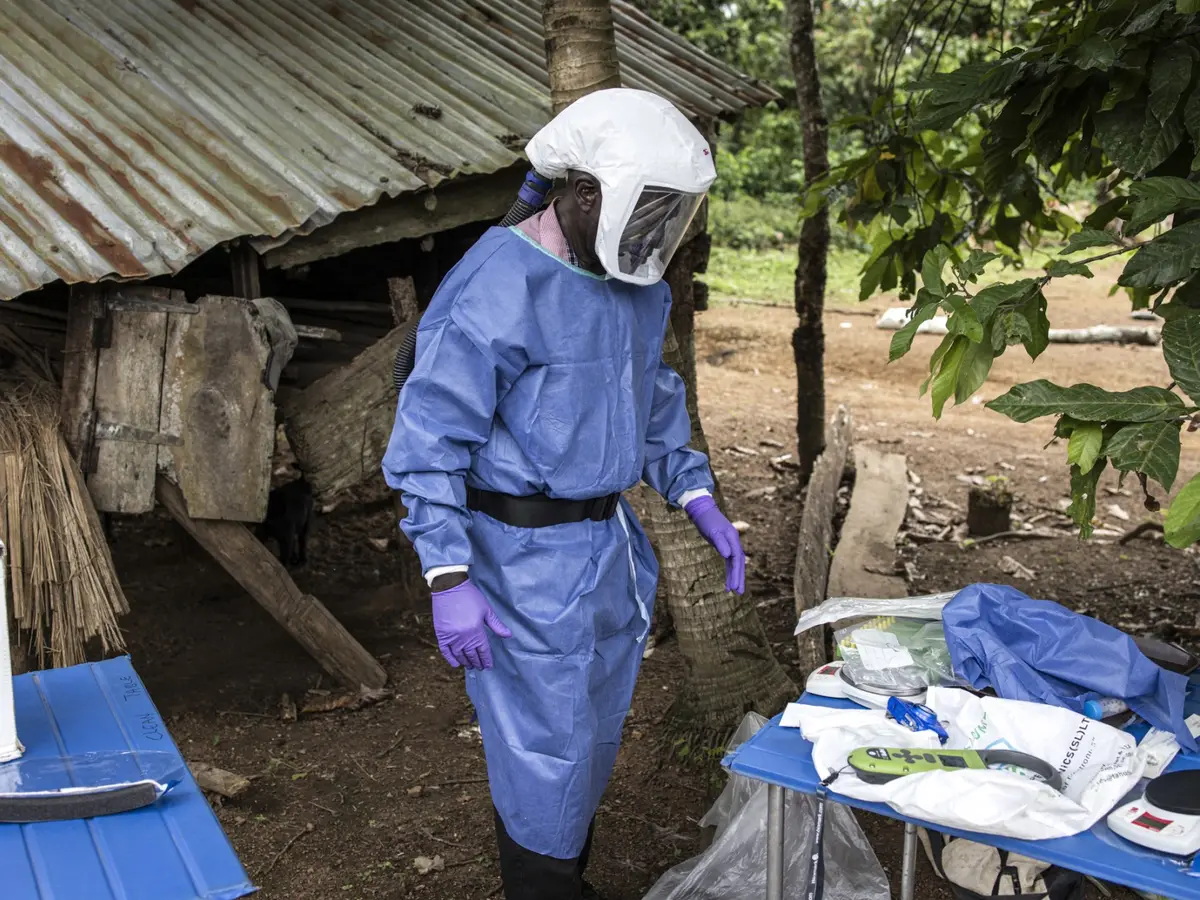
Why DR Congo’s Bundibugyo Ebola Outbreak Became Its Deadliest Yet
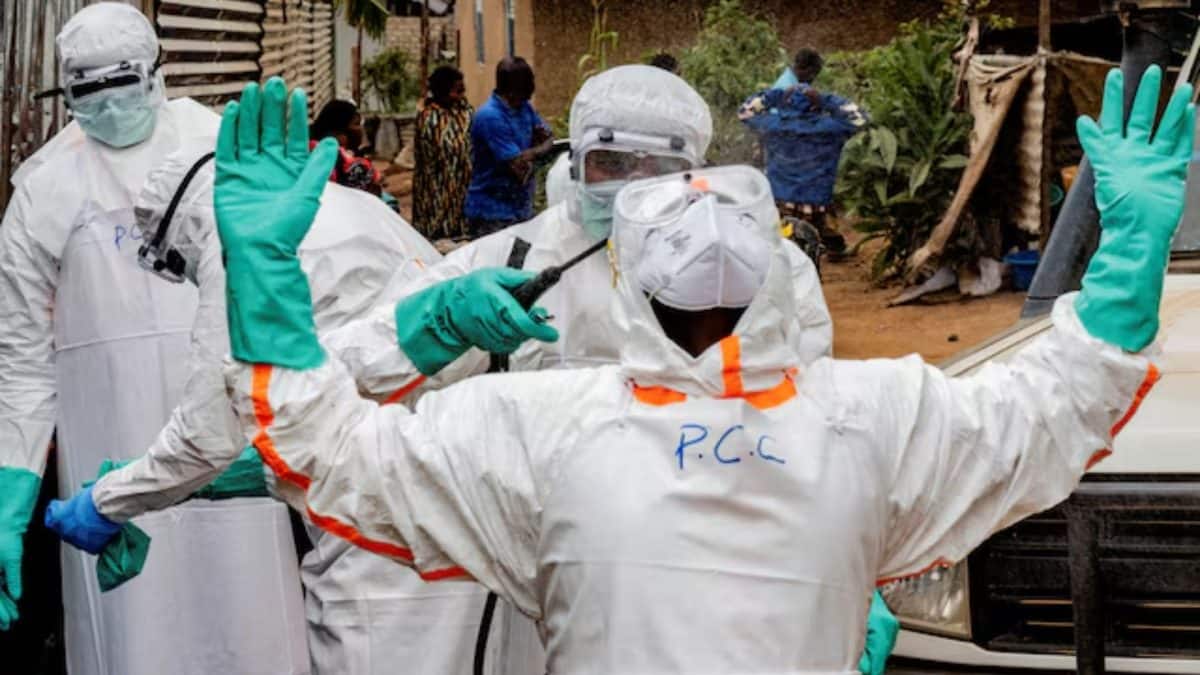
Ebola Outbreak in Congo Grows Exponentially as Deaths Top 2,500

DR Congo Ebola death toll surpasses 2,000 as outbreak continues

Ebola outbreak spreads to sixth Congo province amid rising deaths
WHO: Congo Ebola outbreak controllable within three months
India Sends Medical and Tunnel Rescue Teams to Flood-Hit Nepal
US, WHO Expand Emergency Support After Nepal Flash Floods

DR Congo Ebola Cases Surpass 5,500 as WHO Warns

Saima Wazed Seeks Independent Investigation Into WHO Leave Decision