1 week ago
Why DR Congo’s Bundibugyo Ebola Outbreak Became Its Deadliest Yet
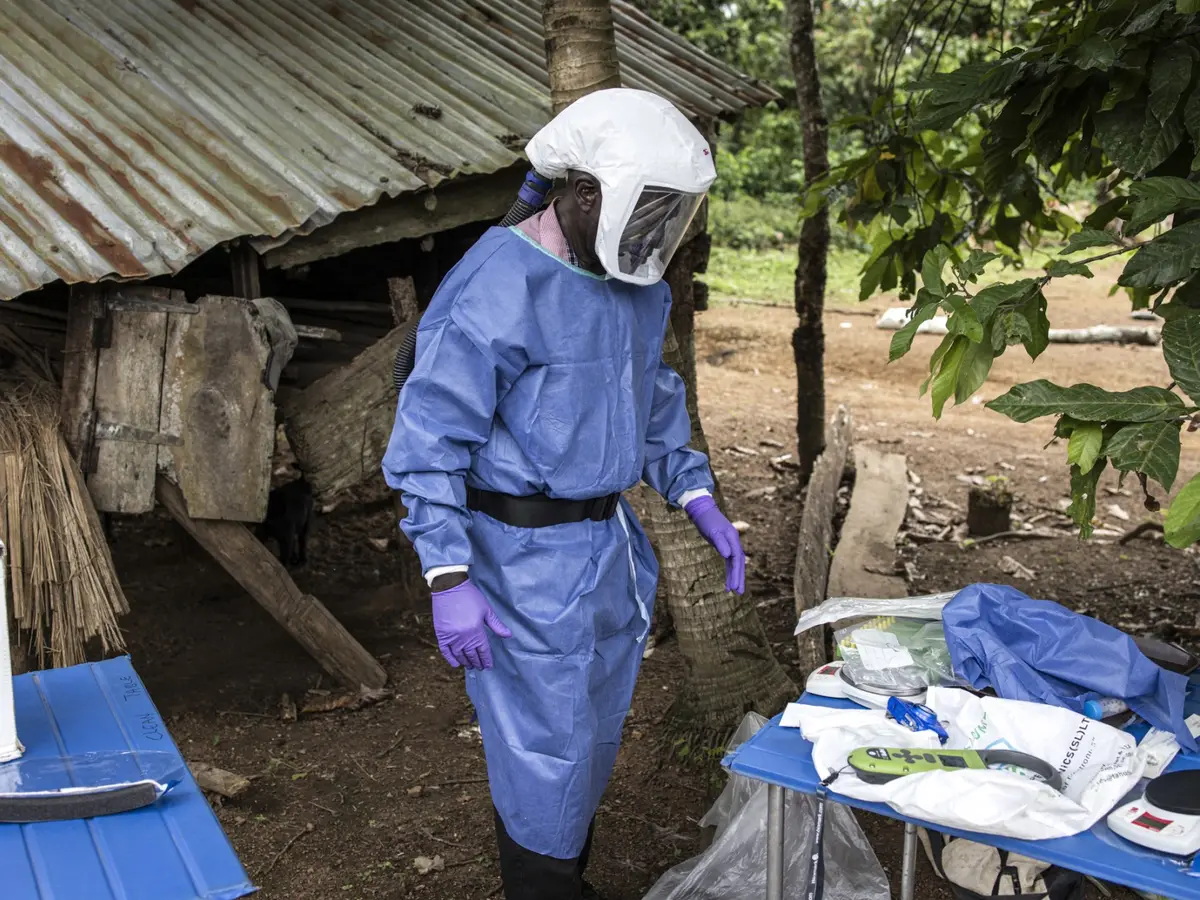
A type of Ebola called Bundibugyo is spreading in the Democratic Republic of the Congo.
It has become the country’s deadliest recorded Ebola outbreak, with more than 2,320 deaths.
The outbreak has also passed 5,000 reported cases.
Unlike another Ebola type, Bundibugyo does not yet have an approved vaccine or specific licensed treatment.
Doctors are therefore relying on early detection, supportive care and careful infection-control practices.
The virus was first found in Ituri Province and later reached several other provinces.
Fighting by armed groups has made it harder for health workers to reach people and deliver supplies.
People moving because of conflict and delays in finding cases have also helped the virus spread.
Cases have additionally been reported in Uganda, including Kampala, and through one imported case in France.

The outbreak has surpassed 5,000 reported cases and killed more than 2,320 people.
It is the Democratic Republic of the Congo’s seventeenth Ebola outbreak and has exceeded the 2,299 deaths recorded from 2018 to 2020.
The outbreak is caused by Bundibugyo virus disease, for which no approved vaccine or specific licensed treatment currently exists.
It began in Ituri Province and spread to North Kivu, South Kivu, Haut-Uélé, Tshopo and Bas-Uélé, with cases also reported in Uganda and France.
Armed conflict, displacement, restricted movement, delayed detection and limited healthcare access have complicated containment efforts.
- Who
- People in the Democratic Republic of the Congo have been affected, with additional cases reported in Uganda and one travel-imported case in France; the World Health Organisation and Congolese authorities are leading response efforts.
- What
- A Bundibugyo virus disease outbreak has become the Democratic Republic of the Congo’s deadliest Ebola outbreak.
- Where
- It began in Ituri Province’s Mongbwalu Health Zone and spread to North Kivu, South Kivu, Haut-Uélé, Tshopo and Bas-Uélé, as well as Uganda and France.
- When
- The outbreak was formally declared on May 15, after officials said transmission had already begun.
- Why
- The spread has been worsened by the absence of an approved Bundibugyo vaccine or specific treatment, delayed case identification, armed conflict, displacement and restricted humanitarian access.
Key facts
- Deaths
- More than 2,320 people have died.
- Reported scale
- The outbreak has surpassed 5,000.
- Historical significance
- It has exceeded the 2,299 deaths recorded during the Democratic Republic of the Congo’s 2018–2020 outbreak.
- Virus strain
- Bundibugyo virus disease, first identified in Uganda in 2007.
- Treatment status
- No approved vaccine or specific licensed therapy is currently available for Bundibugyo.
- Initial location
- The outbreak was initially centred in Ituri Province’s Mongbwalu Health Zone.
- International spread
- Cases were reported in Uganda, including Kampala, and one travel-imported case was reported in France.
Sources
Related news

Congo Ebola deaths surpass 2,000 in fastest-spreading outbreak
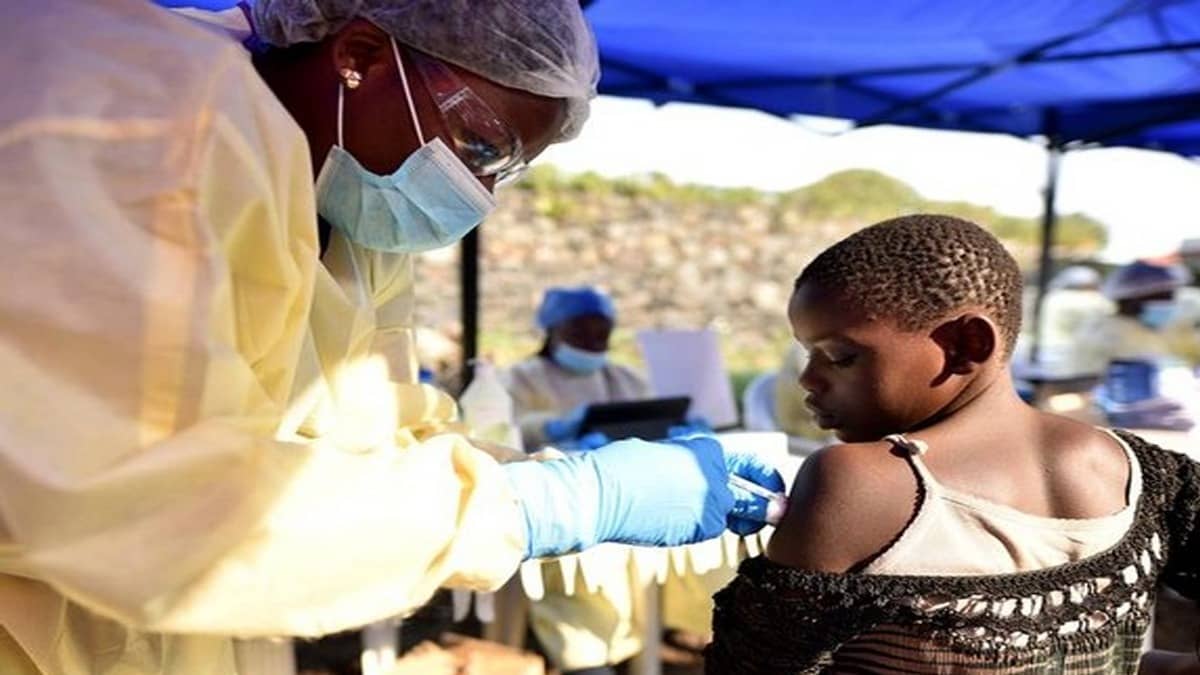
Congo's Ebola Outbreak on Track to Surpass Deadliest in History
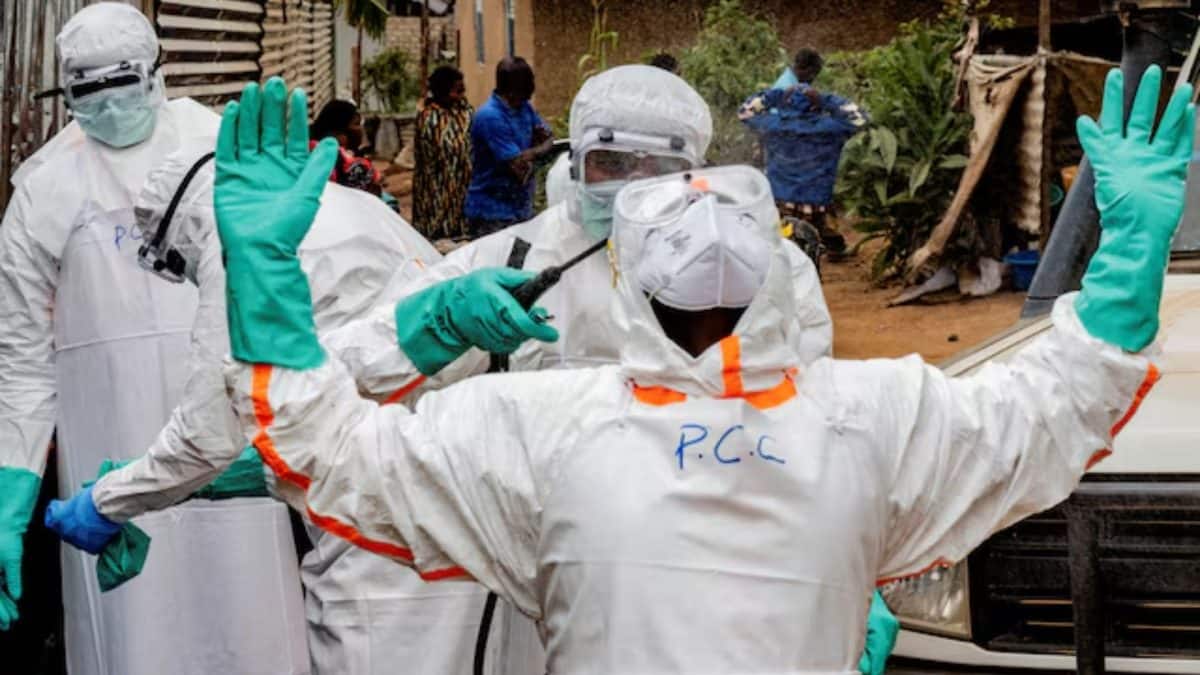
Ebola Outbreak in Congo Grows Exponentially as Deaths Top 2,500

Ebola outbreak spreads to sixth Congo province amid rising deaths

DR Congo Ebola death toll surpasses 2,000 as outbreak continues

DR Congo Ebola Cases Surpass 5,500 as WHO Warns

DR Congo and M23 Set Roadmap for Peace Negotiations
Congo, Rwanda Clash Over FDLR Disarmament Protocol
Thousands Protest in Congo Against Third Term

Ebola Outbreak Worsens in Congo Amid Violence